

During the Spanish flu pandemic that began in 1918, Minnesota deer hunters had 22 days to gather venison for the coming winter. The limit was one whitetail per hunter, down from the five animals allowed as recently as 1895.
That there were any nimrods in Minnesota's woods and fields in 1918 is a surprise. License fees weren't a problem — Minnesota's first big-game license, in 1897, cost 25 cents. But the flu, which was first identified in Minnesota on Sept. 30, 1918, quickly ravaged the state, afflicting, initially, soldiers returning from World War I before spreading like wildfire to the general population.
By the time the deer season opened Nov. 9, 1918, team sports and even bowling had been banned by state officials in attempts to limit crowd sizes. Theaters, bars and restaurants also were closed. But defiance was routine, and police at times were called in to halt football games.
Now, a little more than 100 years later, amid another pandemic, Minnesota hunters are again preparing to go afield.
Bear, dove and early goose seasons begin in early September, with grouse, woodcock and duck seasons following, along with archery deer hunting. The big one, firearms deer season, which attracts nearly 500,000 Minnesotans, begins in November.
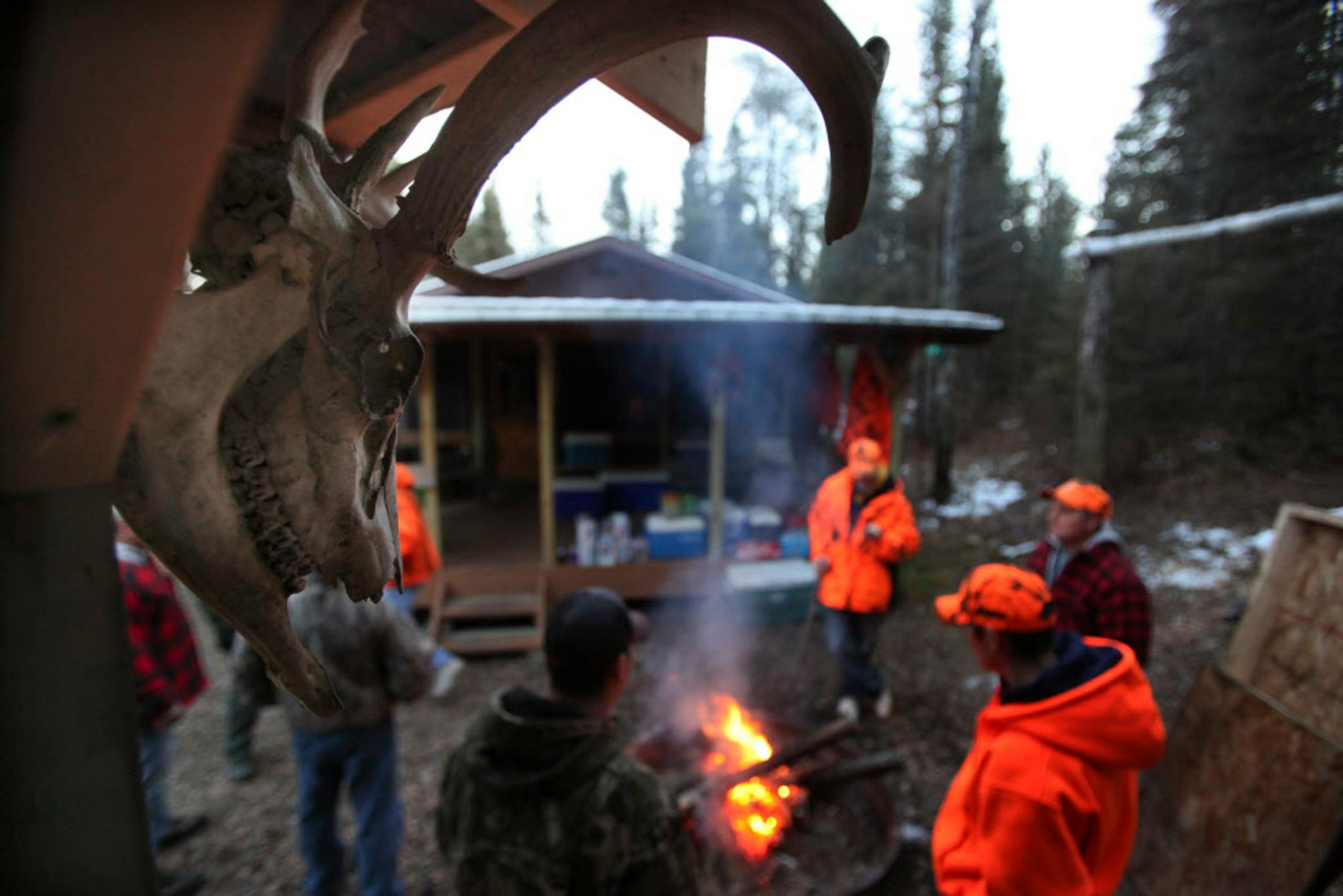
In advance of these traditions, some hunters are asking whether gathering in camps this fall — a convention as old as the state itself — and possibly spreading the coronavirus among friends and family, is a good idea.
"We haven't had that talk yet," said Wesley Carlson of Champlin. "But we will. I don't see a vaccine being available before deer season, so that's a concern. How stringent the other hunters in our group are in keeping themselves safe before the season is another question."
The firearms deer camp owned by Carlson and his wife, Lorna, is typical of Minnesota hunters' fall retreats. Located in Pine County, its 27 acres are heavily wooded and well populated with deer. Ruffed grouse also inhabit the area, but not, Carlson said, in the numbers they once did.


