

Minnesota law enforcement authorities soon will face stricter limits on the use of controversial vehicle-tracking technology to collect sensitive location data on innocent people.
The state is poised to approve its first regulations for license plate readers — small devices that law enforcement officers use to spot criminals in real time. Minnesota is one of several states that is debating or has passed restrictions on the use of the readers.
Privacy concerns drove a bipartisan vote in the Minnesota House on Friday to stop police from retaining any location data stored by the readers on noncriminals. That vote came over the objections of law enforcement groups.
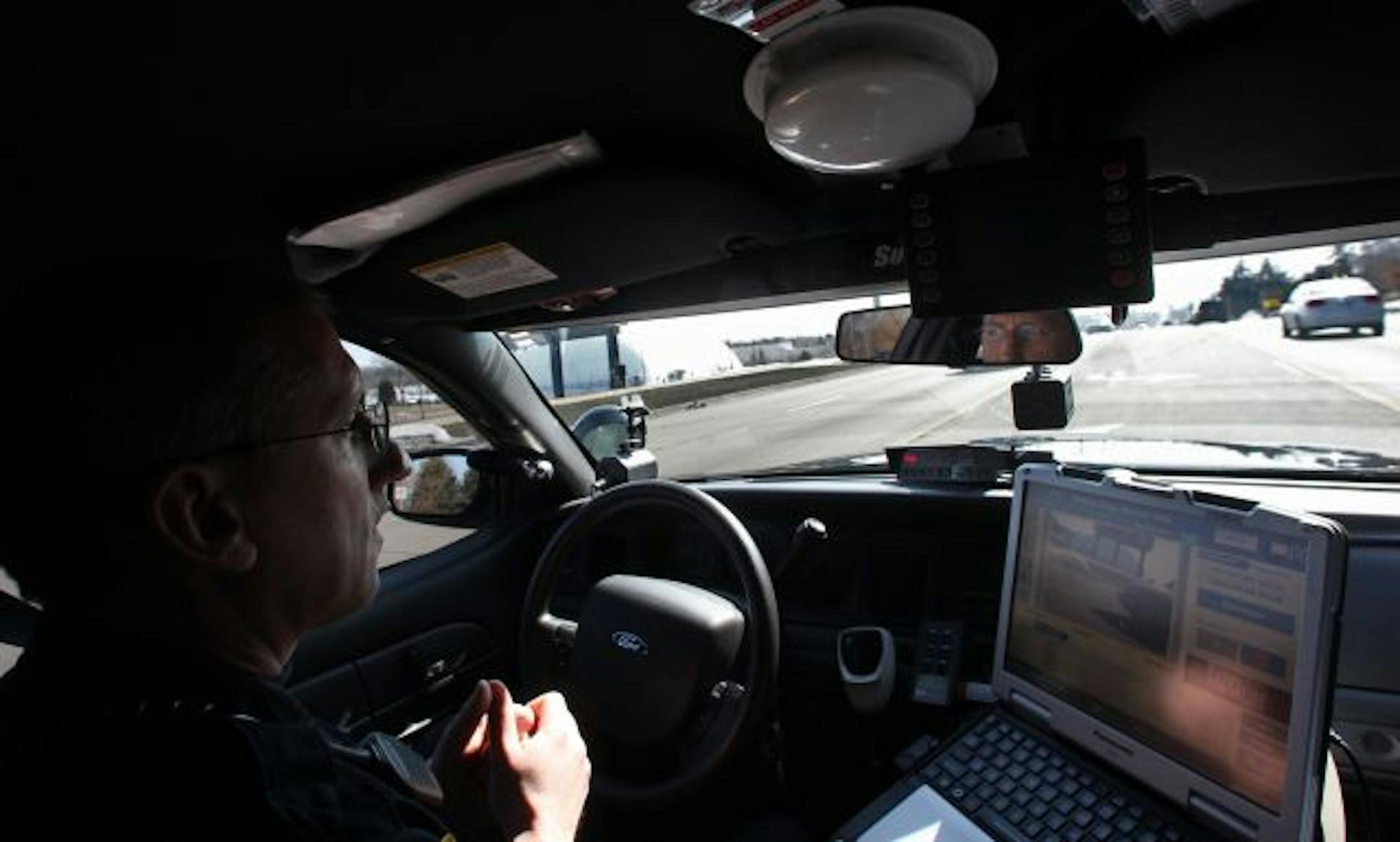
License plate readers are often attached to the hoods of squad cars, scanning every plate they see against a database of wanted vehicles. But a 2012 Star Tribune investigation revealed that police also were storing massive amounts of location data about regular vehicles — all of it publicly available. The newspaper requested and published the locations of Minneapolis Mayor R.T. Rybak's vehicle to illustrate how anyone can obtain someone else's data.
A state agency temporarily designated the data as private, a classification that would become permanent under bills working their way through the Legislature. But police now can keep data on noncriminal vehicles for as long as they want; Minneapolis and St. Paul say they keep it for three months.
The House bill passed Friday would ban any data retention.
The bill, sponsored by Rep. Mary Liz Holberg, R-Lakeville, says no data could be retained unless the vehicle is wanted by law enforcement. A Senate companion measure, expected to pass soon, would allow the data to be retained for 90 days. The differences between those bills must be resolved before a measure goes to Gov. Mark Dayton.
Friday's debate focused on that retention time. Law enforcement groups have argued that historical data is an important tool to help solve crimes because it allows them to scan the past whereabouts of suspects who materialize after a crime has been committed.


