2:32
2:32Minnesota could become the 22nd state to legalize medical marijuana under a House compromise that emerged Thursday, but it would carry some of the strictest limits in the nation.
The proposal uses Gov. Mark Dayton's earlier offer of clinical trials to determine the drug's efficacy, but broadens it to an unlimited number of participants that have doctors' recommendations and who meet other eligibility requirements.
Those patients would be given the drug in pill or oil form. Some would be allowed to use a vaporizer to inhale marijuana fumes, but only with a doctor or nurse practitioner present. Unlike most states where medical marijuana is legal, trial participants would not be allowed to smoke marijuana. The state would contract with a single manufacturer to grow marijuana in-state for the clinical trials. There would be no system of statewide dispensaries.
Eligible conditions would include seizures, cancer, glaucoma, HIV/AIDS, Tourette's syndrome, ALS, multiple sclerosis and Crohn's. Patients taking the drug in pill or oil form could do so without a doctor.
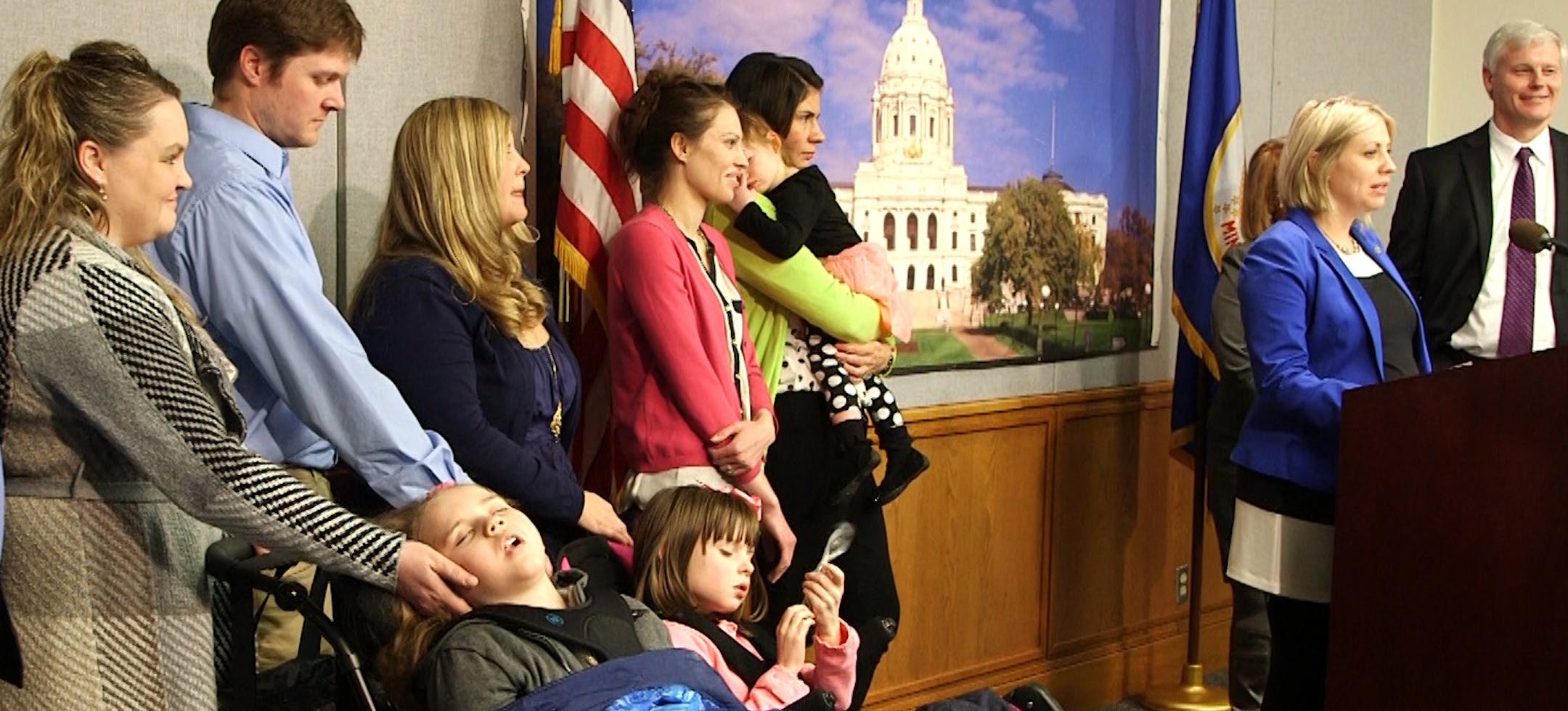
Rep. Carly Melin, DFL-Hibbing, the House leader on the issue, praised the compromise Thursday at a hastily called news conference that included House Speaker Paul Thissen, DFL-Minneapolis.
"It was important to us that we could come up with something that law enforcement could at least have a neutral position on moving forward, and I think we were able to accomplish that," Melin said.
The medical marijuana proposal had been stalled for nearly a month in the House and was opposed by Gov. Mark Dayton and law enforcement groups, even as a companion measure gathered support in the Senate in recent days.
House leaders jumped back into the mix by moving to shrink the universe of patients eligible for the drug, and forcing those who are granted access to use it with a doctor in the room as part of a closely managed, state-funded clinical trial.