

You're 23. Still living at home. You're a late bloomer looking for a spark of inspiration.
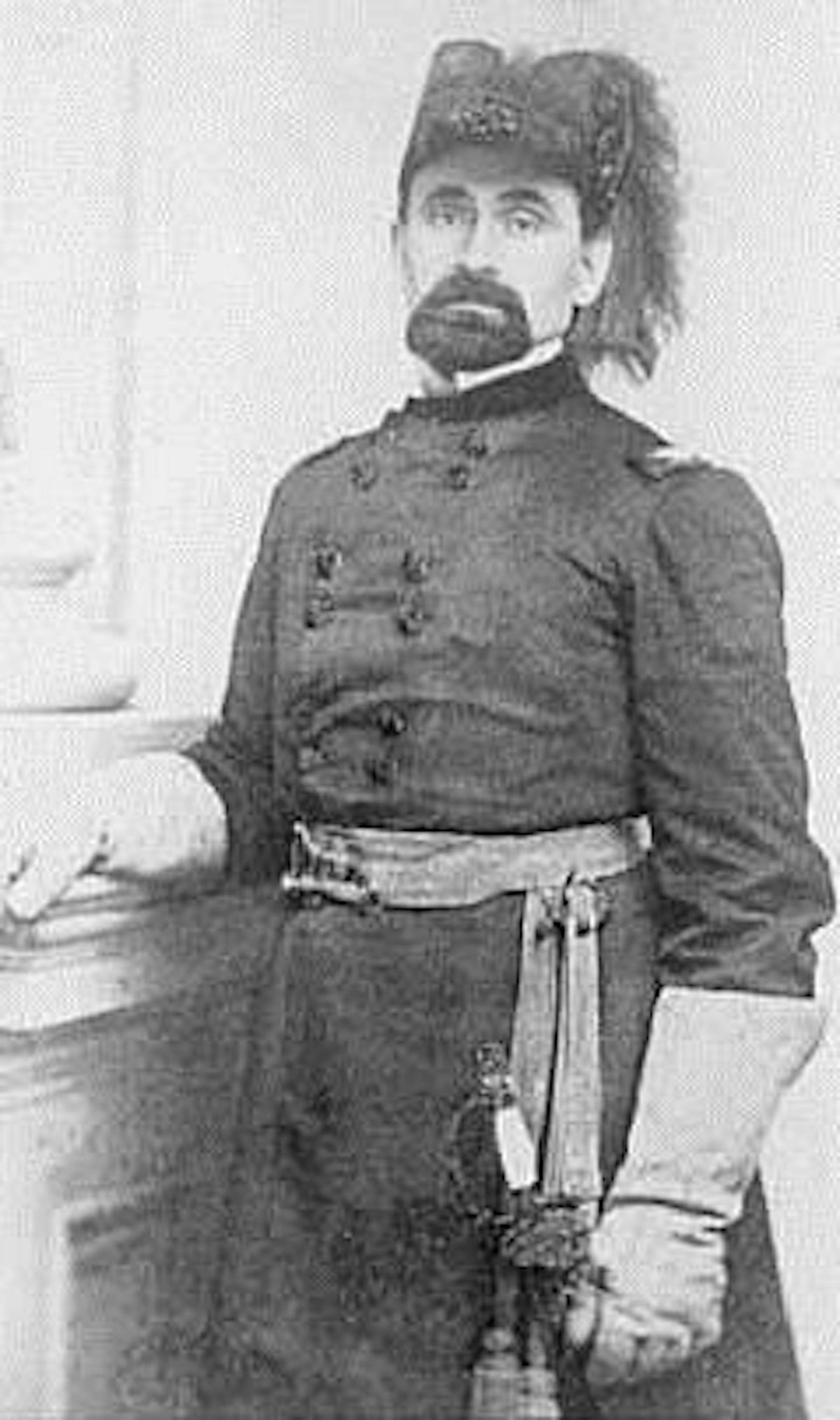
Consider the life of John Benjamin Sanborn, who rallied from a slow start to write Minnesota's first laws as an early legislator and lead its soldiers through Civil War carnage at age 35. In his 40s, Sanborn joined famed frontiersman Kit Carson on an Indian Peace Commission, lashing out at corrupt government policies while negotiating with the Choctaw, Cheyenne, Comanches and other tribes.
Not bad, considering Sanborn's life ambitions were modest at the beginning. He planned to hang out on his New Hampshire farm, which had been in his family since the 1750s. The youngest of five children, "it was my purpose to remain at home and take charge of the homestead and care for my parents through their old age."
Greenleaf Clark, a Minnesota Supreme Court justice and longtime friend, put it another way: "The lad was not swift in seeking another vocation or eager to win the bays of scholarship … He lingered on the farm."
When his older brother grew ill as a college senior, Sanborn needed to be a breadwinner so he went into law, entering Dartmouth at 25 for all of one term. He passed the bar and headed to St. Paul.
He opened a law practice the first day of 1855, but his legal career would be interrupted in a big way seven years later. When the Civil War erupted, Sanborn was selected as colonel of the Fourth Regiment of the Minnesota Volunteers.
He would be among the 45,000 soldiers at the blood bath in Corinth, Miss. He commanded an outmanned brigade nearby at Luka, where a quarter of his troops were killed in a two-hour clash.
Sanborn, a rookie commander, "exhibited a coolness and bravery under fire worthy of a veteran," Gen. Charles Hamilton wrote up in his report. "I am greatly indebted."


