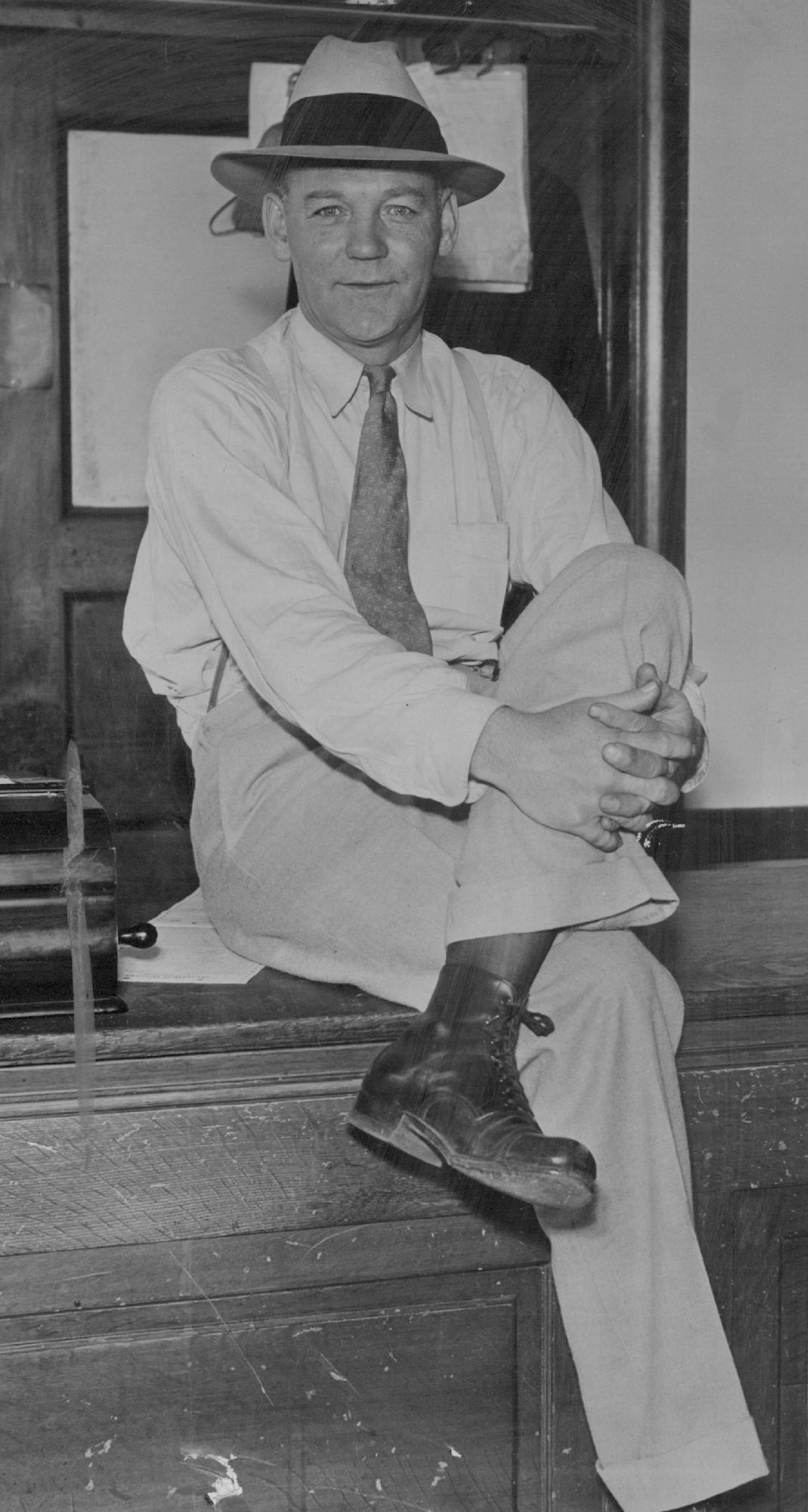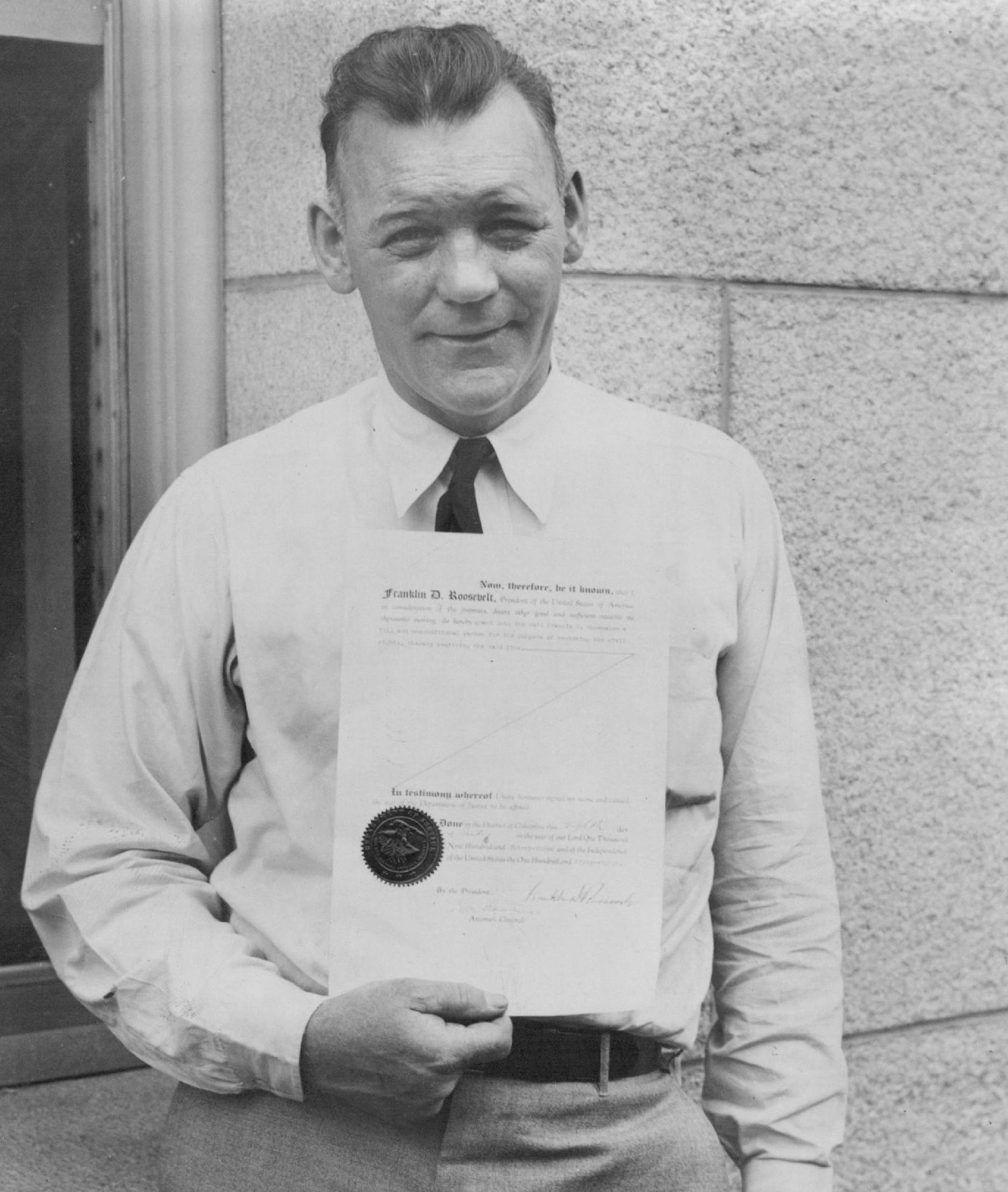
Minnesotans have sent hundreds of representatives to Congress, now meeting for the 114th time. But only once, back in the 73rd Congress, did state voters elect a U.S. House member just after his stint in Leavenworth penitentiary.
Francis Shoemaker, a radical farm organizer, oft-arrested brawler and outspoken (to put it mildly) Red Wing editor, rode to Washington in 1932 as the deepening Depression left voters in a bitter, shake-it-up mood.
Shoemaker was among a wave of Farmer-Labor Party victors in the early-1930s, including Gov. Floyd Olson. Minnesota's nine U.S. House seats in 1932 were all up for grabs on an at-large basis and Shoemaker earned the eighth most votes — Leavenworth be damned.
He wound up in that federal prison in Kansas for nearly a year on charges of sending scurrilous, defamatory material through the mail. The crux of the case: He had addressed a letter to prominent Red Wing banker Robert W. Putnam thusly: "Robber of Widows and Orphans, Red Wing, Minn., in care of Temple of Greed and Chicanery." Postal authorities successfully sought an indictment.
In his weekly newspaper, the Organized Farmer, Shoemaker called Putnam a tyrant, dictator and shatterer or families, challenging the banker to sue.
U.S. District Judge John Sanborn ruled there was no basis in fact for the slurs and no doubt about Shoemaker's guilt. He fined him $500 and suspended a yearlong sentence to Leavenworth on grounds there be no more similar behavior.
Covering his own case, Shoemaker showed no remorse. He ripped the judge for denying him a chance to address the court before sentencing. Among other things, he wanted to stage a "He Started It" defense, arguing that the banker had sent him a letter to F.H. Shoemaker, "Any Place But" Red Wing.
Irate, the judge unsuspended the sentence. Even Shoemaker's (aptly named) lawyer, Arthur LeSueur, said the judge was fair "and I have gone the limit with this man."