

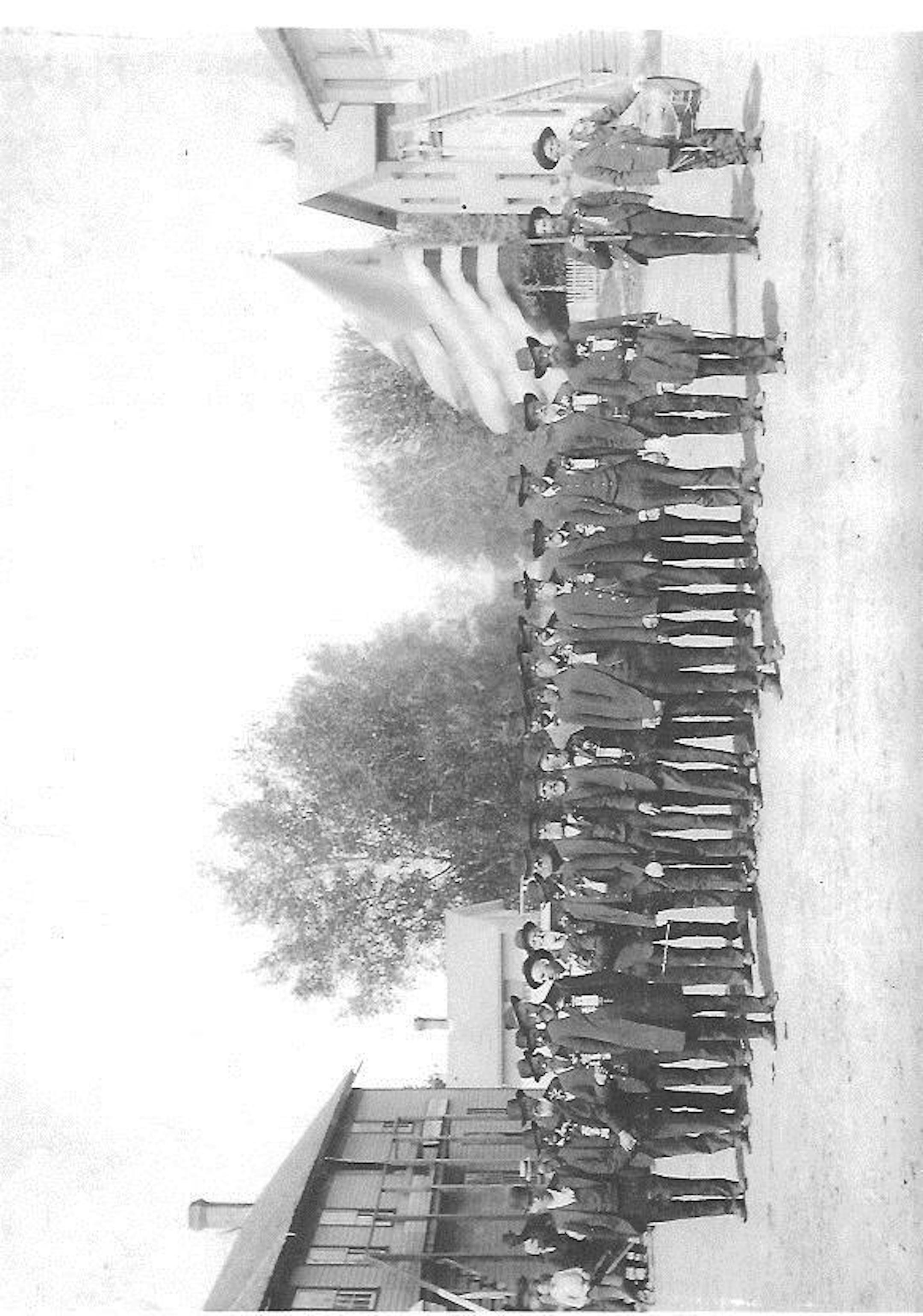
The second week of April 1865 might have been the most newsworthy in the nation's history. Within six days, the Civil War ended and President Abraham Lincoln was assassinated.
Echoes from that week 150 years ago reverberate in a strangely concrete way in four Minnesota places — Waconia, Zumbrota, Winona and a busy corner in Minneapolis.
There's moss on the gravestone of Sgt. Andrew Matson at the Scandia Baptist Cemetery just east of Lake Waconia. It's not the only green around.
"It's a little itty-bitty cemetery in the middle of Island View Golf Club," said Wendy Petersen-Biorn, who runs the Carver County Historical Society. "He's right past the parking lot and next to the driving range."
Matson was born in Sweden and wound up an infantryman in Company H of the Ninth Minnesota Regiment. In June of 1864, Matson was captured at a battle at Brice's Crossroads, near Guntown, Miss. He'd spend the next eight months in hellish Confederate prisons before contracting a disease — likely chronic diarrhea.
He was released and allowed to return home to Waconia. He died three months later on May 28, 1865, and was buried in a casket made of butternut wood.
For the fledgling, seven-year-old state of Minnesota, Matson's fate was all too common. While an estimated 626 Minnesotans died on Civil War battlefields, three times that number died of illness, according to Randal Dietrich, a Civil War expert at the Minnesota Historical Society. Census counts show about 170,000 people in Minnesota during the Civil War.
About 90 miles southeast of Matson's mossy headstone, there's a drum in the Zumbrota Area Historical Society Museum.


