

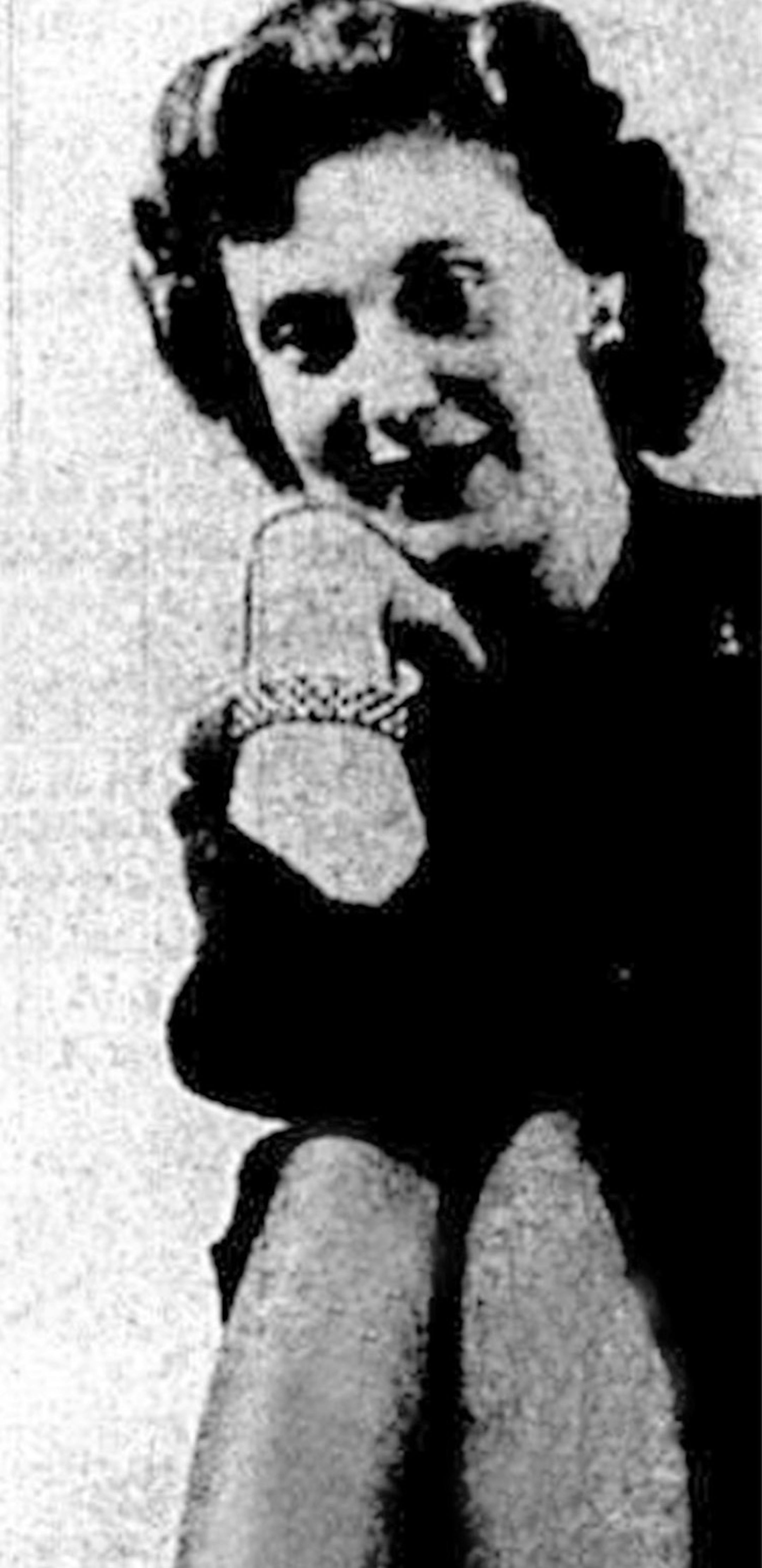
Illona would be about 90. And with any luck, she’s reading this.
When we last heard from her — in March 1948 — she was 24, newly married and planning to live in a small Minnesota town.
She was also a Hungarian countess and jilted lover who wound up heartbroken in Minnesota.
Illona was not her real name, just another of the many wrinkles in her story that included “all the elements of a yarn that might easily become the best short story of the decade.”
So wrote Cedric Adams, then 46, a renowned Upper Midwest broadcaster, who moonlighted with an “In This Corner” column in the Minneapolis Star.
One Friday, a young woman walked into Adams’ office, “the most woeful human being I have ever encountered.” She asked, with a soft, pleasant accent, if she could close the door. As she proceeded to share her story, Adams realized that “there were reasons galore for her misery.”
He named her Illona to protect her identity. “A cultured young woman,” she told Adams she had spent three years in the ballet and was a college graduate. She was born in Vienna and lived in Hungary — where her father served as a minister to Austria before World War II. They lost everything in the war.
In the chaos that followed, Illona met a Minnesota soldier at a party in Salzburg, Austria. They quickly fell in love, meeting every night during his three-month hitch and taking long walks in the countryside. They became engaged and talked of their future together in America. Before he headed home, he promised to send for her — like thousands of GIs. But this time, it seemed sincere.


