

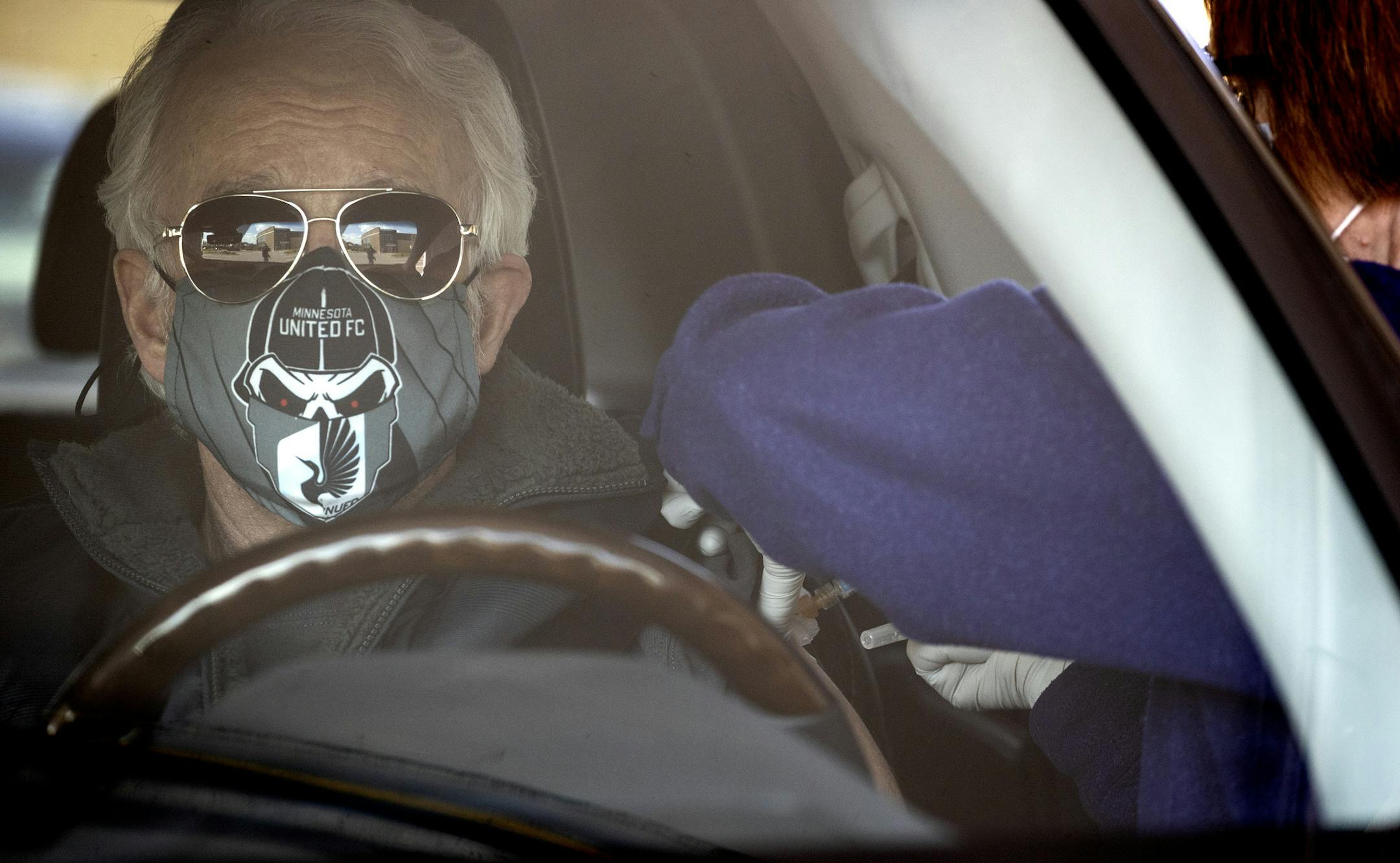
The start of flu season this fall comes with a heightened concern about a "twindemic" — a surge of COVID-19 cases amid a severe flu season.
The fear is that emergency rooms and intensive care units would be stretched to capacity, as both diseases can cause respiratory complications such as pneumonia.
A twindemic is not inevitable, given COVID-19 safety measures and a mild flu season in the southern half of the globe.
Still, health officials are doubling down on efforts to get more Minnesotans vaccinated for influenza.
Typically, about half of the state population above the age of 6 months gets a flu vaccination, according to the Centers for Disease Control and Prevention.
The highest number of doses are given in October, according to state data, and most of the shots are given by the end of November. In the 2018-2019 season, only 15% of the 2.4 million vaccinations were administered after November.
With some people still working at home, workplace flu clinics might get canceled this year, just as many blood drives have been scratched, which has placed pressure on the blood supply.
People might also stay away from clinics for fear of catching COVID-19. Those concerns have led to a decrease in childhood vaccinations, such as measles, mumps and chickenpox.


