

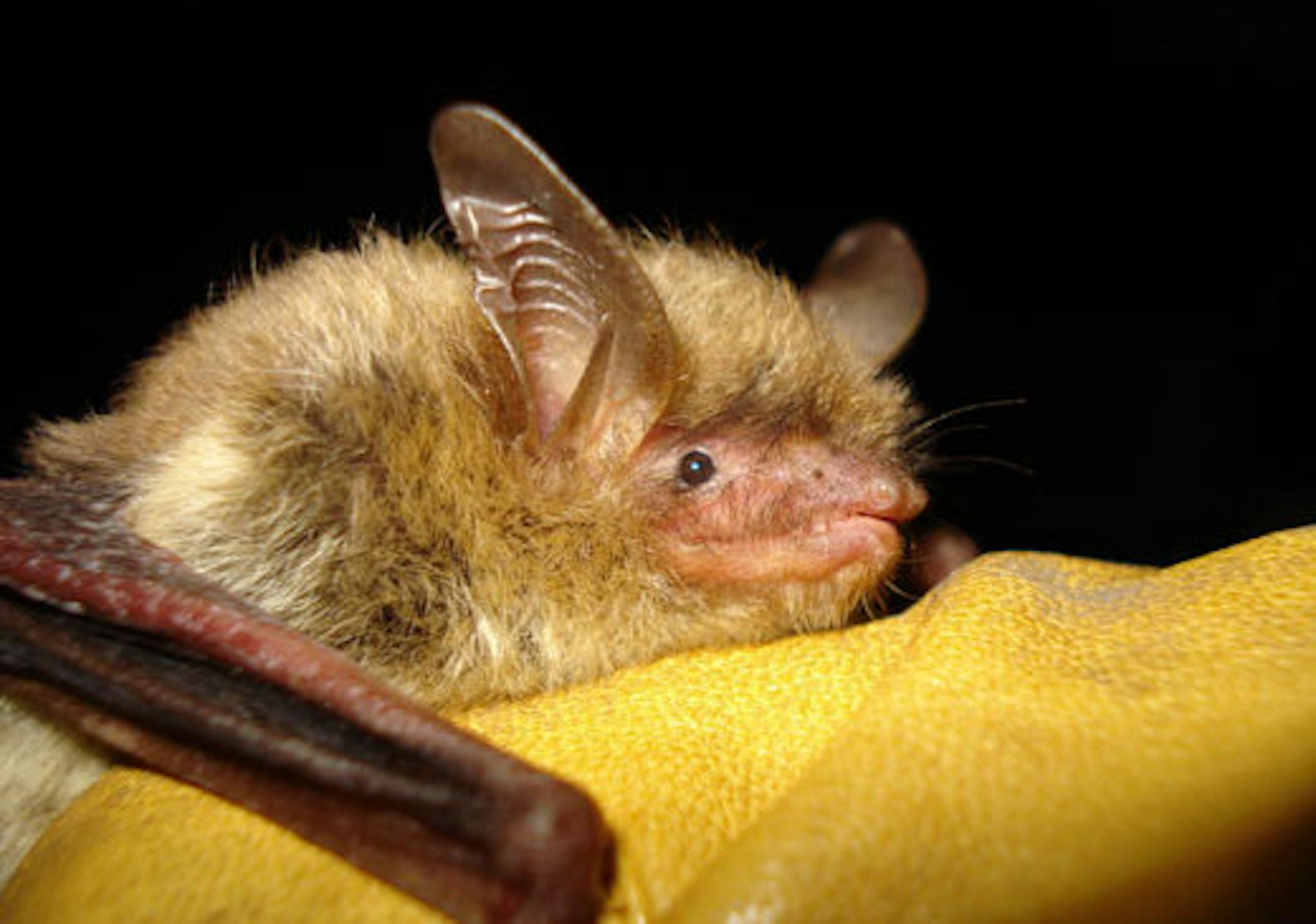
MILWAUKEE – Four Great Lakes states have asked federal authorities to delay plans to protect an imperiled bat species because the proposed restrictions could have a "crippling effect" on the forest industry and harm owners of private and public land.
Environmental agencies in Minnesota, Wisconsin, Michigan and Indiana told the U.S. Fish and Wildlife Service in an April 17 letter that the states favor protections for the northern long-eared bat, but argue the draft rules go too far.
Wisconsin listed four cave-dwelling bats in 2011, including the northern long-eared, as threatened species because of the imminent arrival of fungal disease that has killed millions of bats in the eastern United States and Canada.
The Department of Natural Resources confirmed April 10 that white-nose syndrome had been detected for the first time in little brown and northern long-eared bats in Grant County, in southwestern Wisconsin.
Despite concerns about the spread of the disease, directors of natural resources agencies in the four states wrote that a plan by the Fish and Wildlife Service to minimize the public's contact with bat habitats is "overly restrictive and too broad."
The letter is the latest example of conflicts arising from the federal Endangered Species Act. The 40-year-old law was instrumental in reviving the fortunes of the American bald eagle and other species. But it has also engendered conflict when protective measures rub up against other uses for the land.
In this case, the Fish and Wildlife Service is proposing an array of measures to avoid killing or injuring the bat until making a final decision on whether to list the northern long-eared bat as an endangered species. That decision should come in October.
Meanwhile, one key restriction calls for avoiding cutting of bat habitat during the summer maternity season, from April 1 to Sept. 30.


