ON THE UPPER ST. CROIX RIVER — Only a sharp eye or one bent toward appreciating this region's history can spot the vestiges of the St. Croix River that once was.
A waterway that in the 1700s accommodated fur swapping between the Chippewa of the St. Croix Valley and traders who moved the dried pelts to points south and east was transformed by timber men a century later into a river of felled pines.
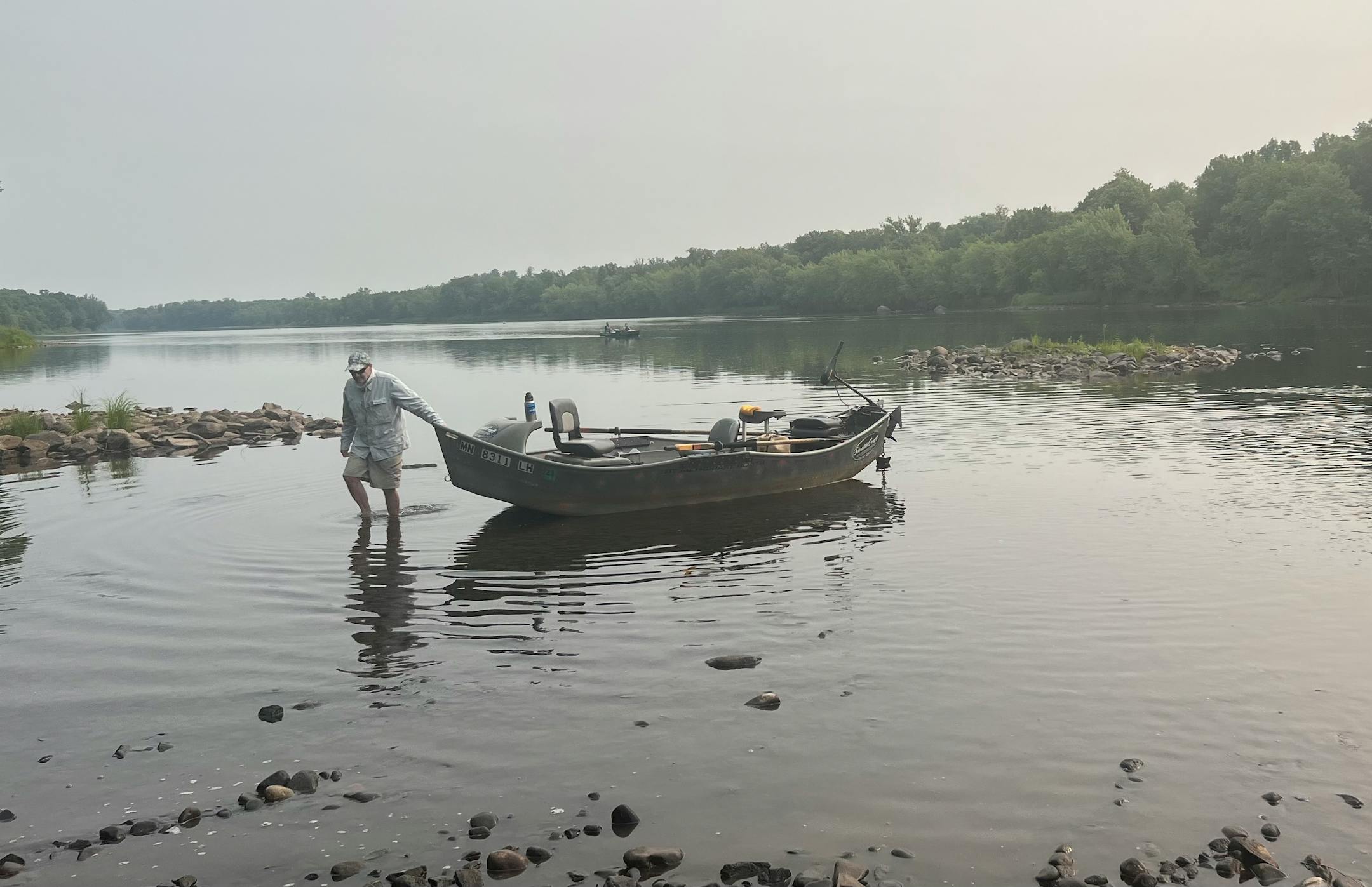
The other day, when Ted Higman, John Butler and I launched Ted's drift boat into the Upper St. Croix, anyone who has ever plied the river, past or present, no matter the commodity of their interest, would have agreed the river was low.
Too little rainfall this spring and early summer virtually guaranteed that on our day's outing we'd have to step from Ted's boat on more than one occasion to drag the craft over rocks and sandbars.
"This is about as low as I've ever fished the St. Croix,'' Ted said.
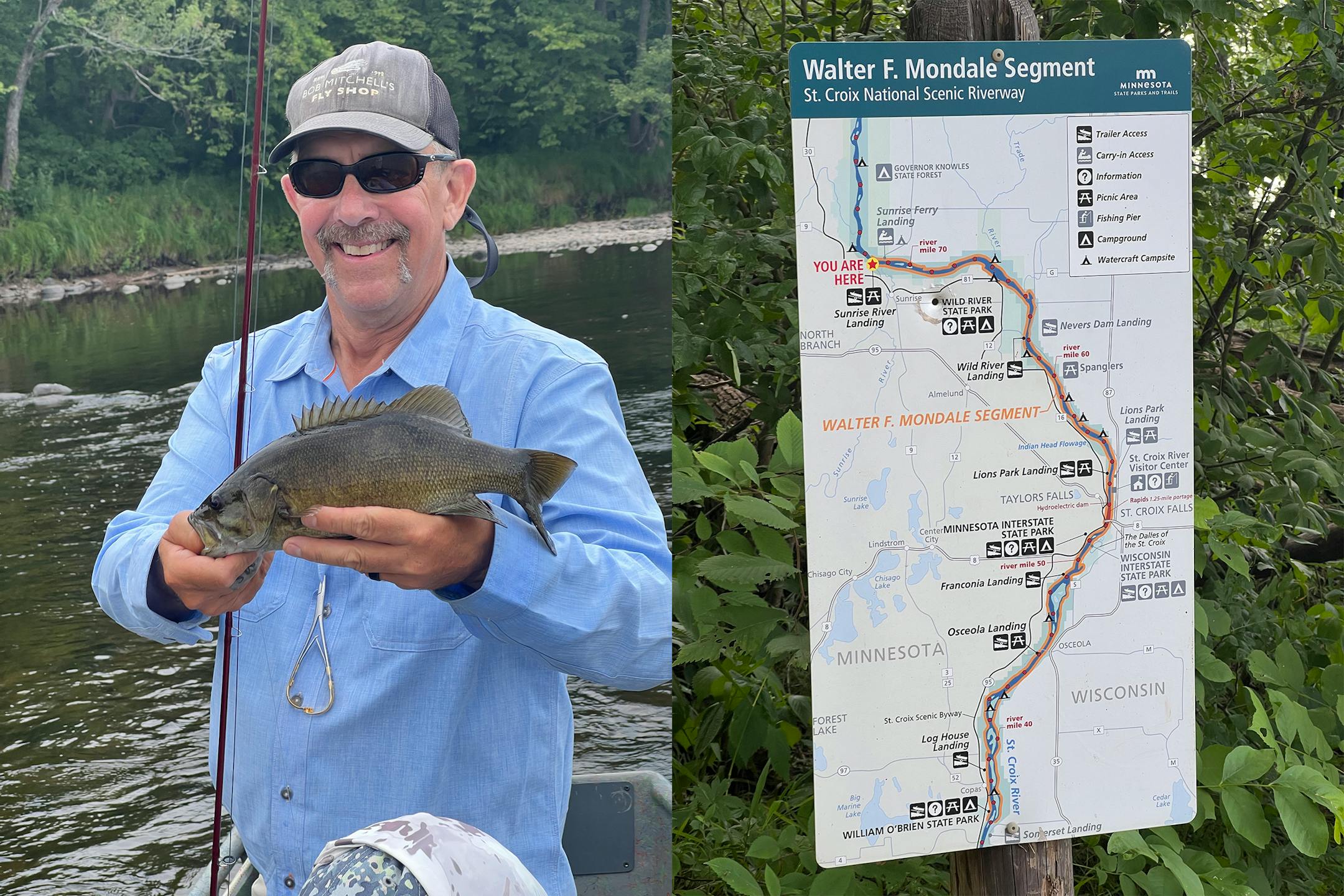
We were after smallmouth bass and would cast for them with fly rods.
Few occasions in sport are as exciting as a smallmouth or largemouth bass rising from the depths to smash a "popper,'' a surface fly that isn't so much a fly as it is a fake frog or perhaps an imitation terrestrial, such as a grasshopper, cricket or beetle.
Though the same species, smallmouth and largemouth bass are from different families. To the angler, each has its advantages: Largemouth grow bigger and typically inhabit lakes, while their smallmouth counterparts, though not exclusively river inhabitants, often are found in moving water.