

No evidence of neglect.
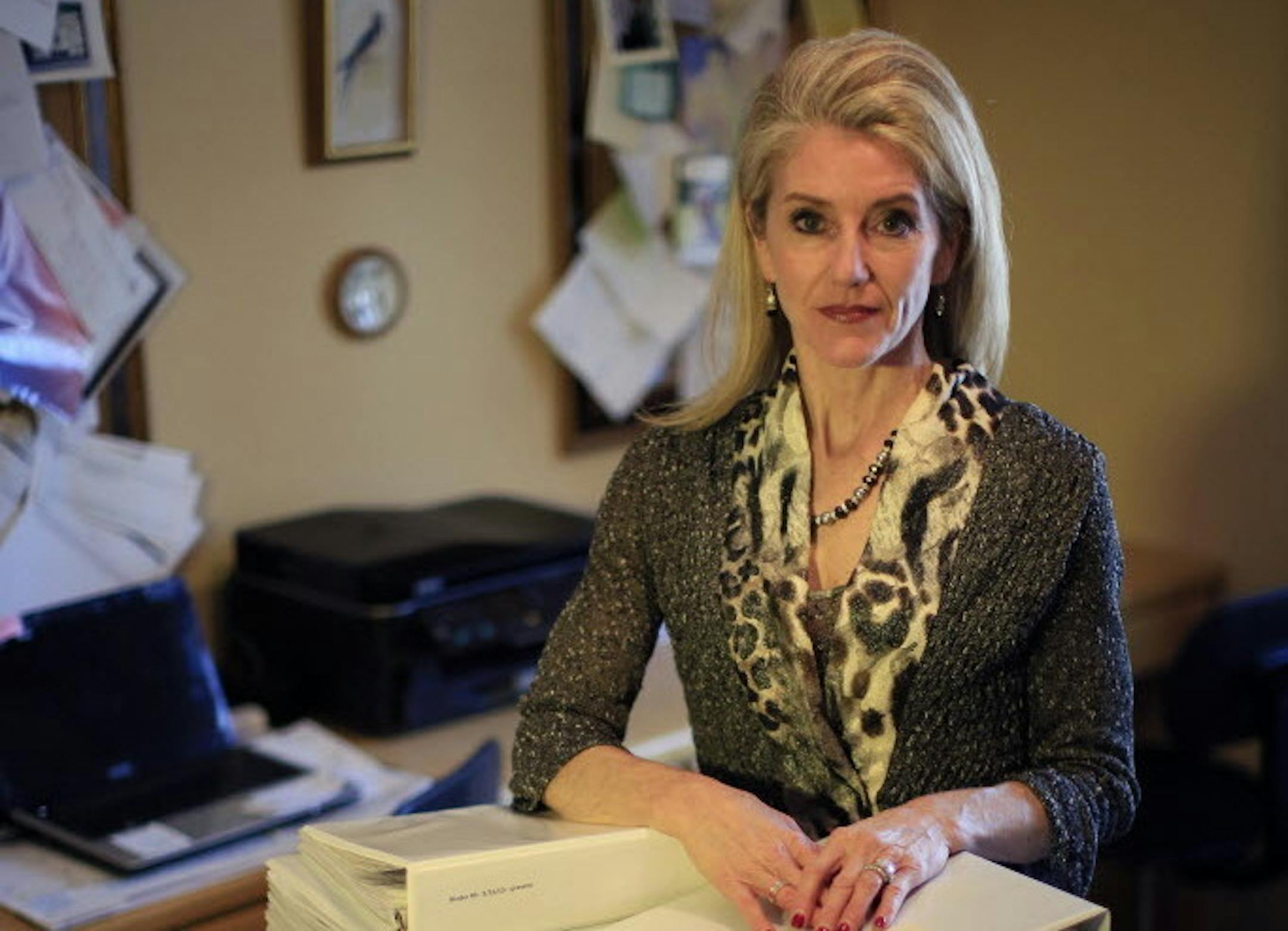
Sheila Van Pelt couldn't believe it when she received the letter from state health investigators in 2011. Her mother had suffered a stroke at an assisted-living facility and later died, and now she wondered: Did they even bother to seriously review the case?
Investigators never formally interviewed her, Van Pelt says, even though she found her mother, with her legs twitching as she suffered convulsions from a severe stroke. No one was ever held accountable for the incident and, she says, investigators didn't seem interested when she tried to bring information forward.
The Plymouth woman has been on a mission since then to change a state investigative agency that she says is too friendly toward health care facilities and fails to give equal weight to the public.
"I do not believe they see us as respectable sources of reliable information," Van Pelt said. "They view the facilities as the only source of that information. Until that changes, truthful accounting of what happened will not be known."
The target of Van Pelt's concerns is the state Health Department and its Office of Health Facility Complaints, which regulates more than 2,000 licensed health care businesses, including nursing homes, assisted-living facilities and home care agencies. It receives 12,000 complaints and self-reported incidents each year; about 1,000 are investigated and about one in four result in findings of maltreatment or other violations.
Van Pelt scored a victory last month when state health officials acknowledged through a policy change that they need to ensure that families play a role in the agency's investigations.
Yet some families and attorneys representing patients still think the agency holds information too closely, and are asking if the Health Department is sufficiently accountable to the public. Attorney Mark Kosieradzki, who represents patients in nursing home cases, said in the past year or two, investigations seem more cursory and the resulting reports provide less information.


