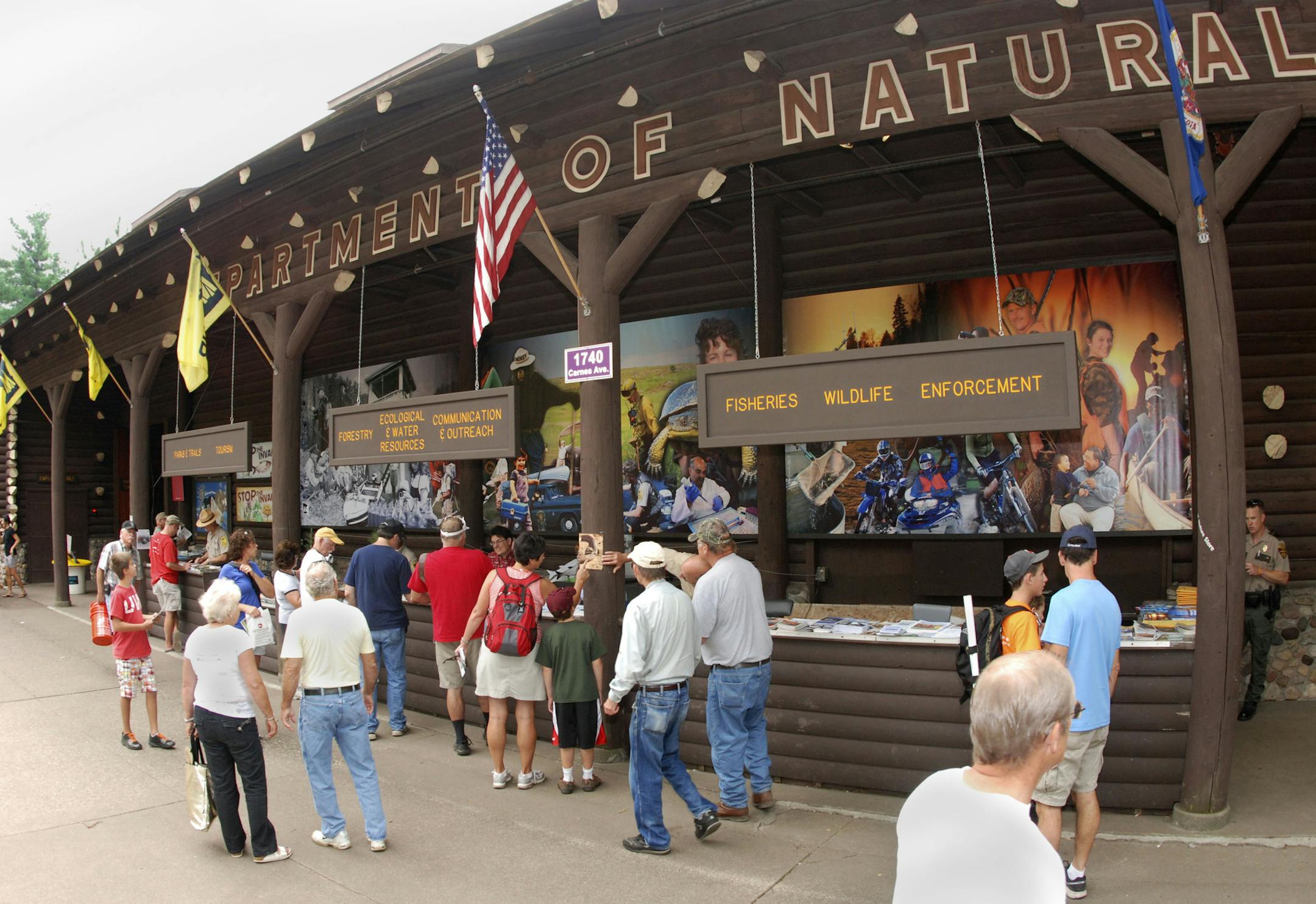
A visitor from, say, Mars or Florida could walk into the Minnesota Department of Natural Resources building at the State Fair knowing nothing about Minnesota's natural environment, and walk out with a basic education on what's happening in the state's forests, prairie and waters.
"You'd at least have a good idea of the pressing issues," said Renee Vail, DNR manager in charge of the State Fair project. "If nothing else, if you go away with one or two pieces of information, we'll have succeeded."
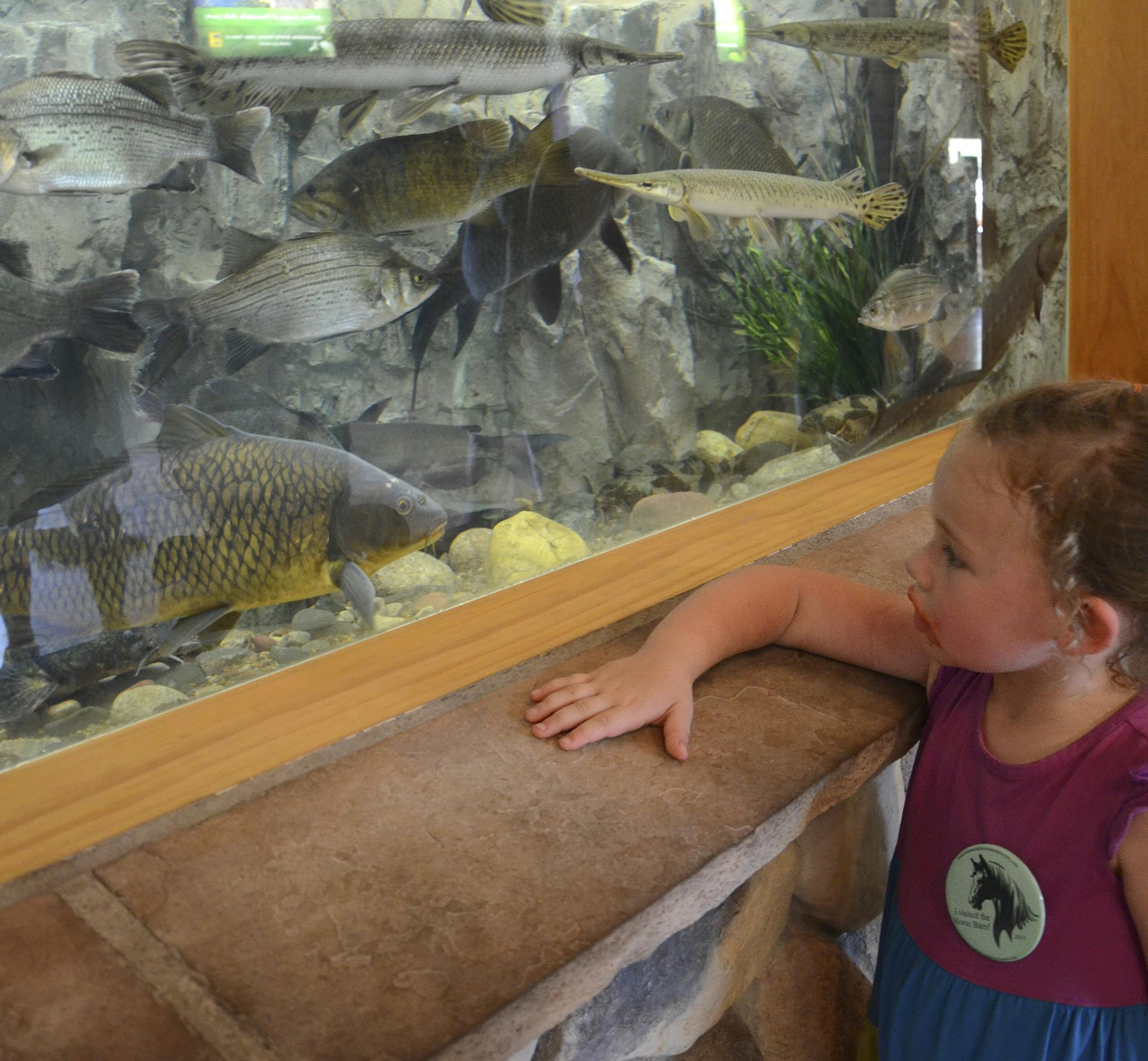
Touring the cavernous, log-cabin-style building, fairgoers can watch fish swim in aquariums representing five different natural habitats, including one that lets trout jump upstream. They can examine taxidermied animals posed in settings representing the state's various biomes (coniferous forest, deciduous forest, prairie) while listening to wildlife sounds and learning which creatures make their homes where — and why it's important to preserve space for them. They can get the latest on threats posed by aquatic and terrestrial invasive species like zebra mussels, silver carp, buckthorn and garlic mustard.
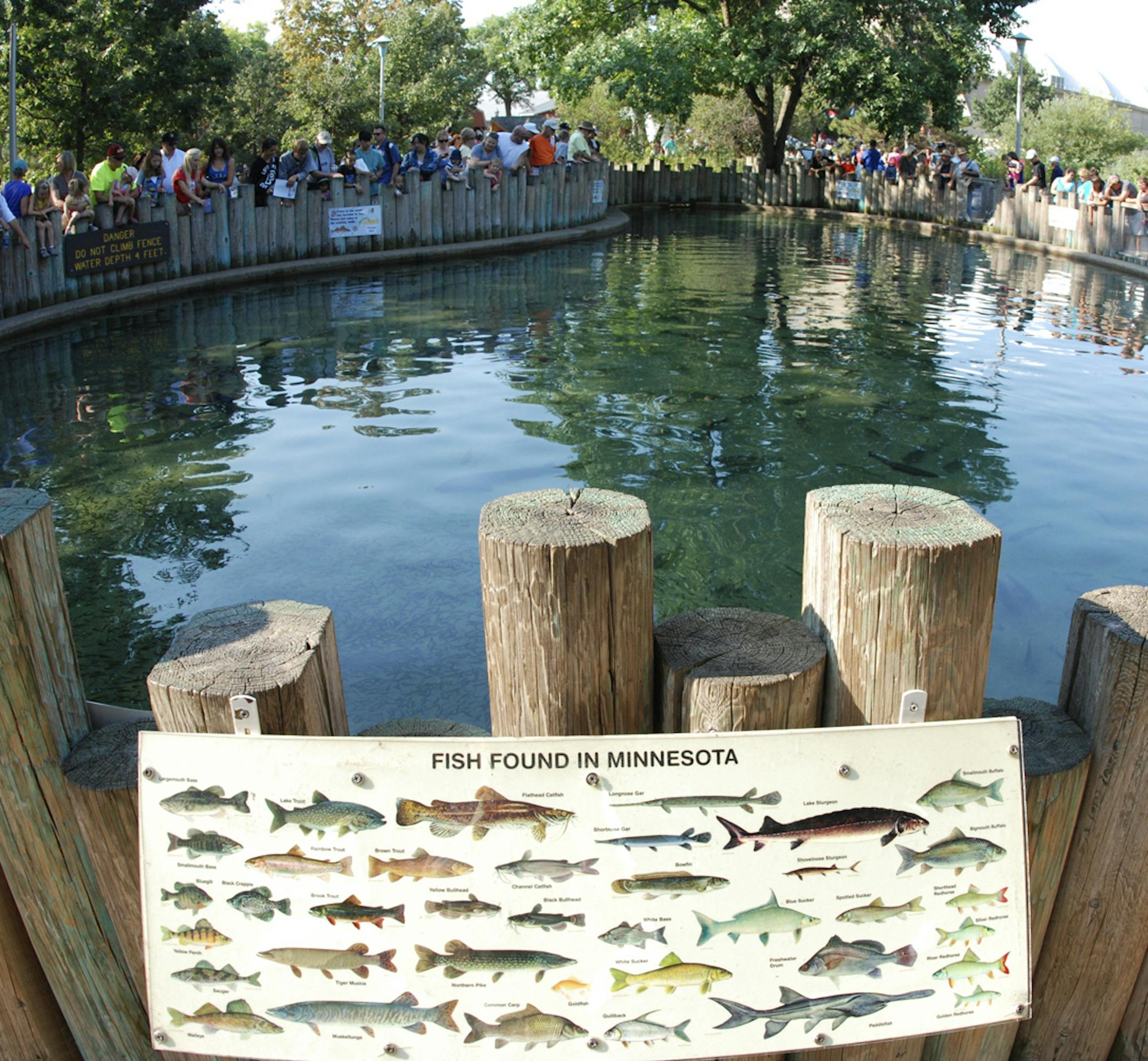
Outside, strolling around the one-block grounds surrounding the building, visitors can check out a fish pond stocked with 45 species of native fish, a duck-filled wetlands exhibit and gardens planted with native Minnesota flowers, including one area designed to attract butterflies. They can climb an old fire tower, tour a small cabin like the ones offered in some state parks, and hear experts give presentations on fish and birds. They can listen to live bands playing on the outdoor stage or browse the moose memorabilia being sold at a stand to raise money for research on dwindling moose populations. They can watch boat builders constructing a canoe or admire a sculpture comprised entirely of trash pulled from Minnesota rivers.
They can do those things, that is, if they know the place is there.
Cloaked in shade and obscured by crowds and ponds and plantings, the brown DNR building doesn't exactly leap out amid the fair's bright and shiny landscape. The exhibits attract half a million visitors a year, but Vail as points out, that's barely over a quarter of fair attendees."Some people I talk to," she said, "don't even know it exists."
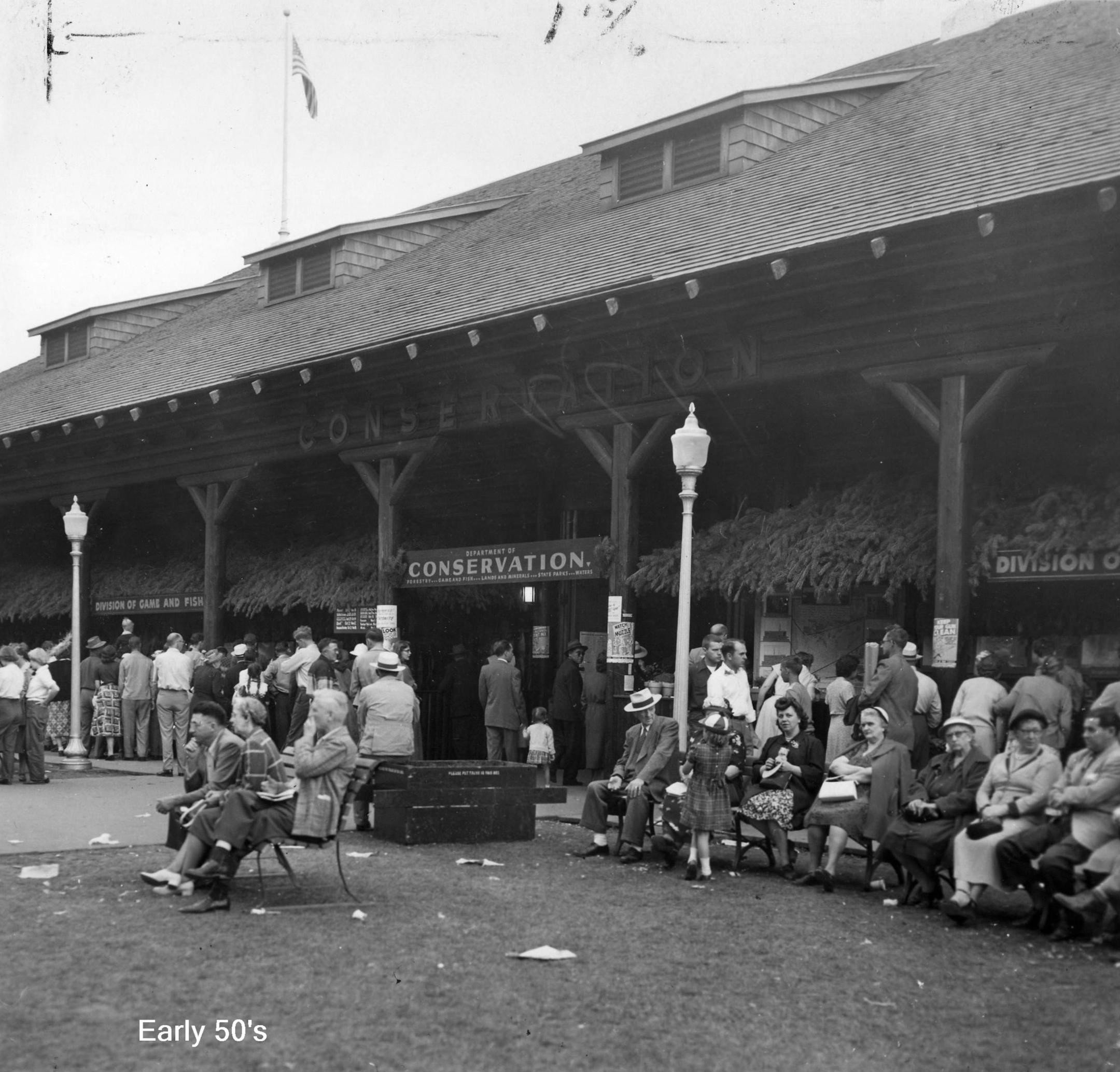
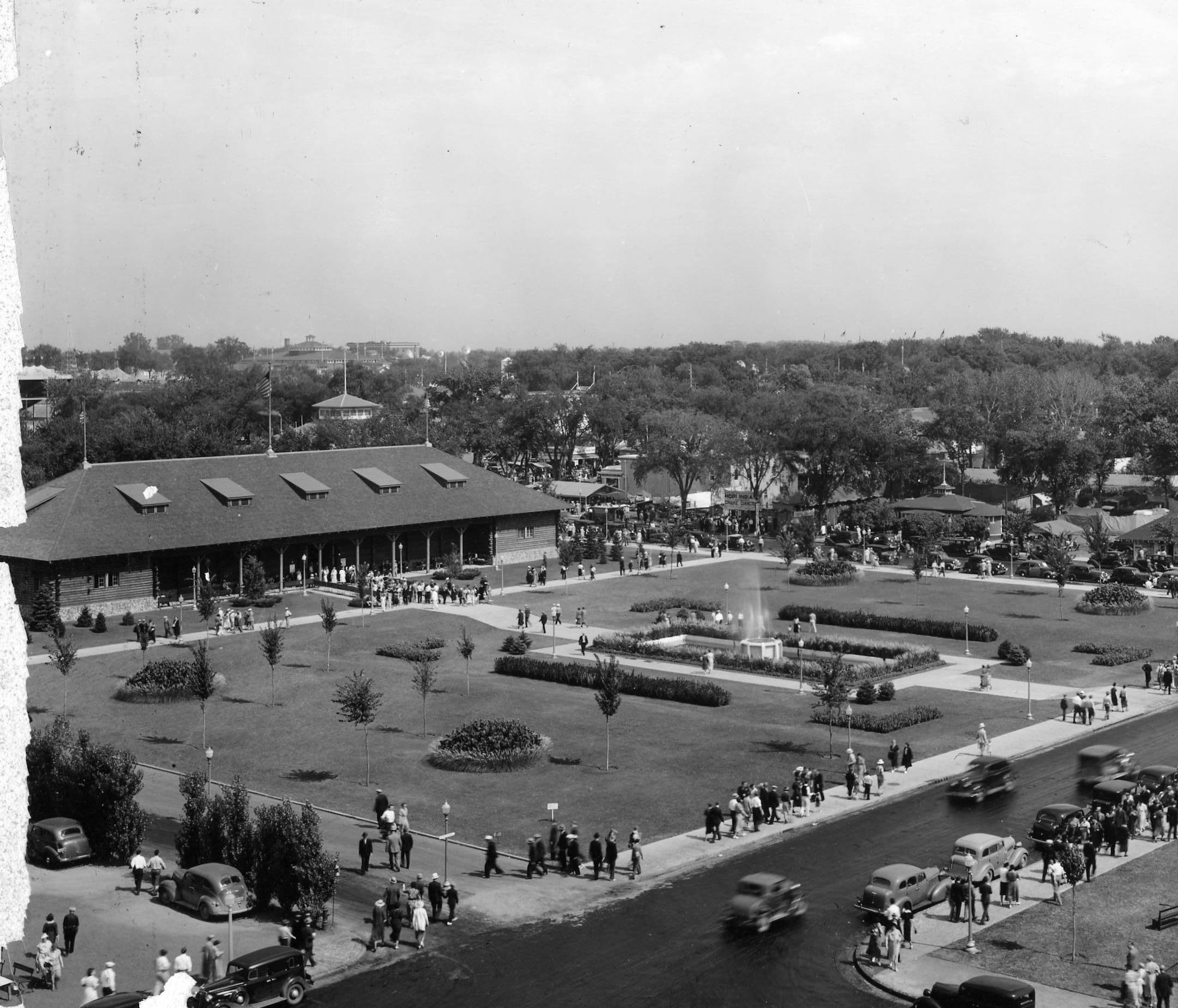
The building celebrates its 80th birthday this year. Much has changed since its construction, for $73,000, in 1934. Early photos show the building set back in a spacious and nearly empty yard, sparsely adorned with a spring-fed fountain and formal garden. Those features are long gone, replaced by the fish pond, also spring-fed, and by the gardens and trees and other features that now fill the space.
The building itself retains the quaint Up North look that characterized structures built, as this one was, by the Civilian Conservation Corps. But it's showing its age, Vail said.