

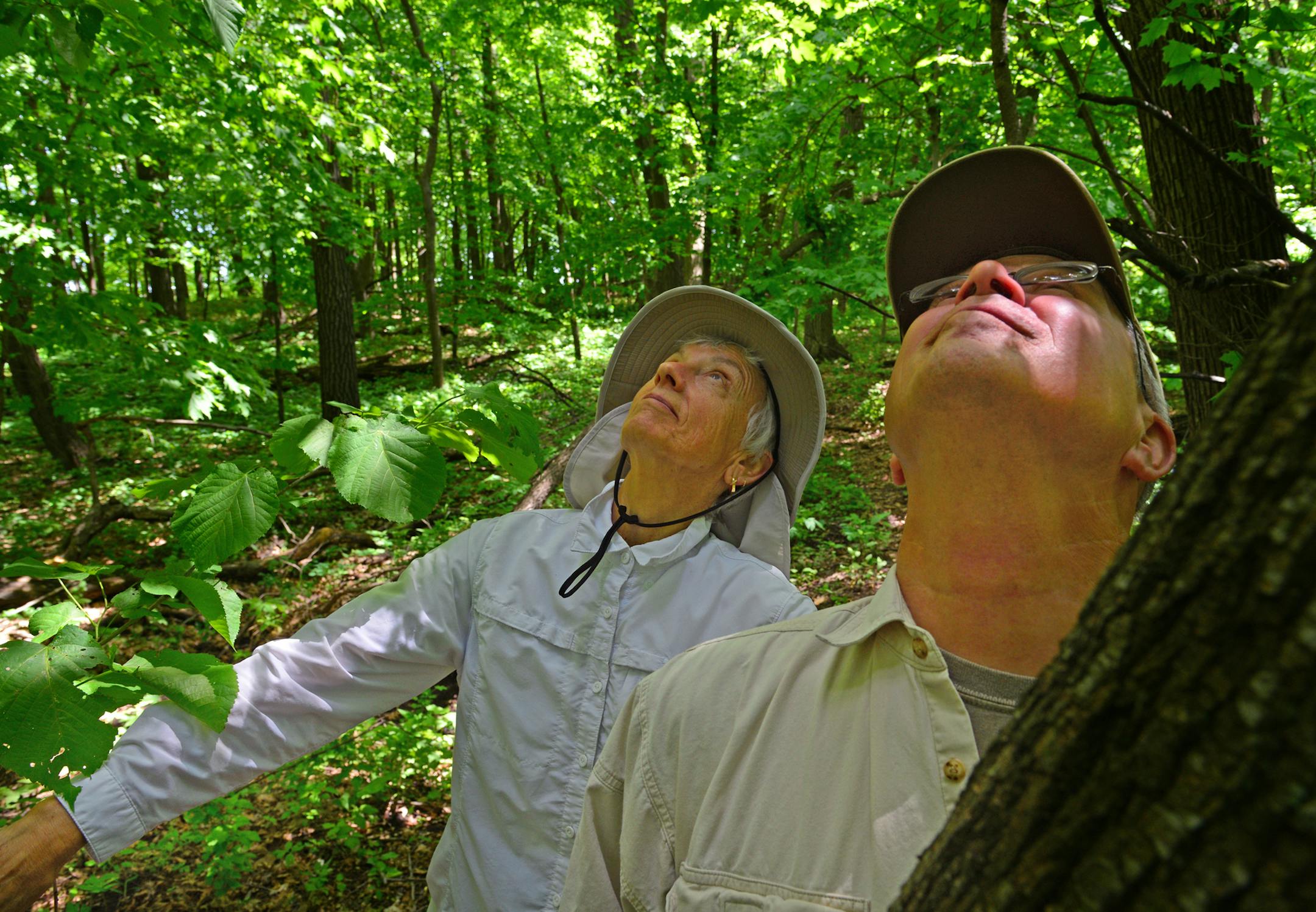
MORRISTOWN, MINN. – In a patch of hilly, old-growth woods preserved by the state as a living museum, Bob Djupstrom and Ellen Fuge stepped carefully around wild ginger, trout lilies and other native plants carpeting the forest floor.
Townsend Woods is one of Minnesota's 160 Scientific and Natural Areas (SNAs), places that are considered so precious that only the lightest human touch is permitted. Camping, picnicking and swimming are not allowed. Visitors are prohibited from walking a dog or picking berries. They can take photographs or simply sit beneath the canopy of virgin oak, sugar maple and basswood to look and listen.
"These are jewels of the natural world,'' Djupstrom said. "They should be left alone.''
Despite growing opposition, the Department of Natural Resources plans to open more of the sites to hunting and trapping. Townsend Woods is one of 10 under review for such a change, while three other SNAs, all south of the Twin Cities, were quietly approved as hunting grounds starting in 2012.
"It's so ridiculous to mess with these sites,'' Fuge said. "The whole point is to protect their natural processes."
Fuge and Djupstrom are retired Department of Natural Resources managers who fostered the SNA network during long careers. Now they are fighting from outside the agency to block what they consider an attack on the program's longtime mission — protecting the biological integrity of some of Minnesota's ecological treasures.
SNAs originated in the early 1970s to isolate and preserve pieces of the state's natural heritage, including rare species and unique geologic features.
"This is a Minnesota string of pearls … where there is minimum disturbance,'' said Tom Casey, a Twin Cities lawyer and naturalist who takes weekend trips to SNA sites around the state.
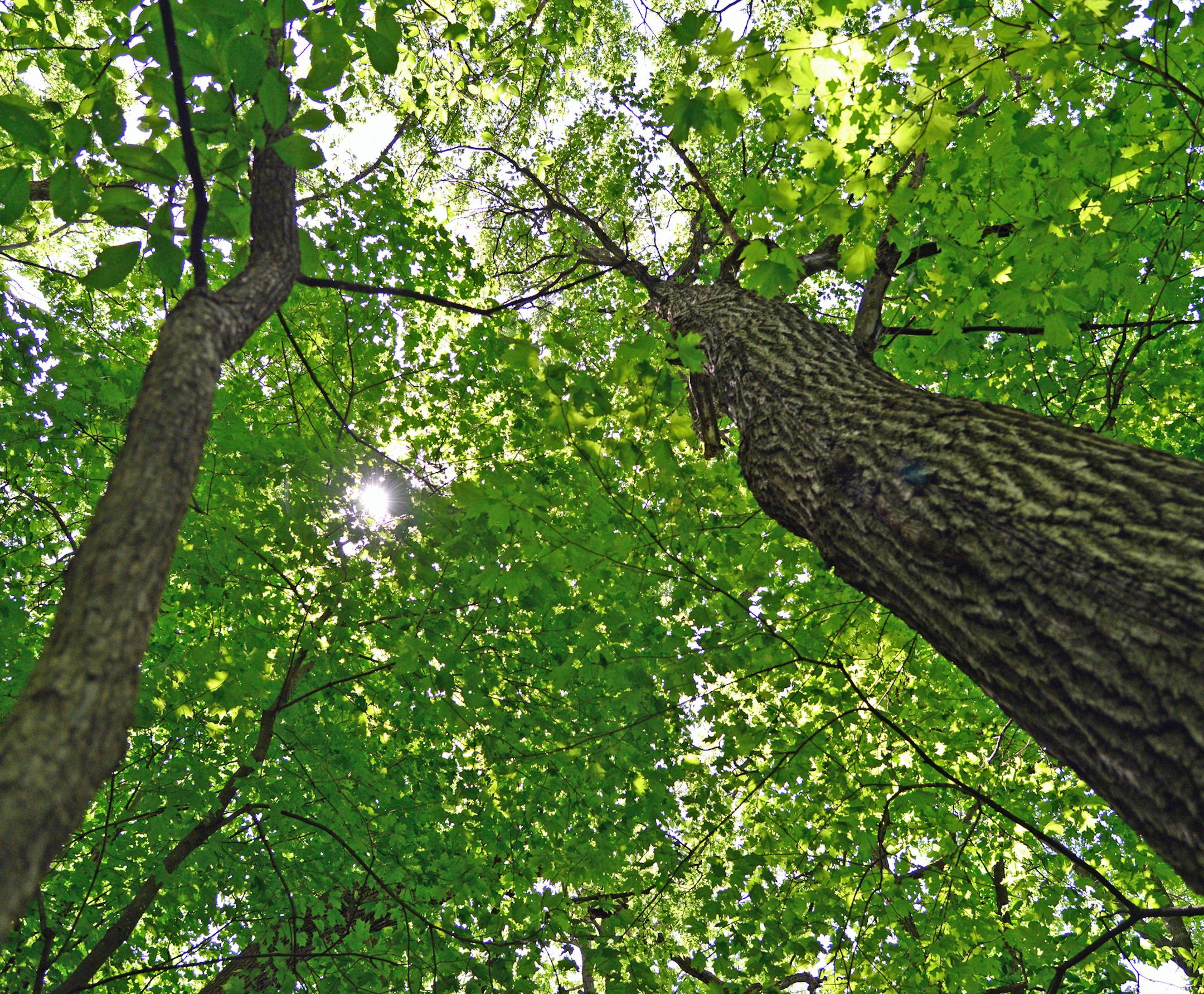
![Former DNR executives Bob Djupstrom and Ellen Fuge were dwarfed by the size of a huge old growth Red Oak. ] Former DNR executives Bob Djupstrom and Ellen Fuge spent some time touring Townsend Woods, a state Scientific and Natural Area near Morristown, Minn. on Tuesday June 4 2014. Richard.Sennott@startribune.com Richard Sennott/Star Tribune Morristown Minn. Tuesday 6/3/2014) ** (cq) ORG XMIT: MIN1406041007180825 ORG XMIT: MIN1406181624340700](https://arc.stimg.co/startribunemedia/YEXNXHNGXOLFYIQFF2OQLWYL5I.jpg?&w=1080)


