

Facing a major budget shortfall, the Minnesota Department of Human Services (DHS) is preparing to lay off staff and slash millions of dollars in spending on state-run programs that serve vulnerable populations as well as sex offenders.
The budget cuts, disclosed in a memo to state employees Wednesday, include shifting the operation of some group homes for people with disabilities to private operators and the termination of a satellite program for treating sex offenders at the state prison in Moose Lake.
The agency also plans to leave dozens of positions unfilled at the state's main psychiatric hospital in St. Peter and lay off 15 employees at the Minnesota Sex Offender Program, which houses about 740 sex offenders at state-operated treatment centers.
The cost-saving measures are part of a broader effort by Minnesota's largest state agency to close a budget gap resulting from growing employee costs, while preserving the social safety net for impoverished families and others hard hit by COVID-19. So far, the pandemic has eviscerated state and local budgets in Minnesota and nationally as costs for responding to the virus skyrocket while revenue plunges. The administration of Gov. Tim Walz has projected a staggering $4.7 billion shortfall for 2022 and 2023 because of the pandemic.
The cuts at the DHS are focused on a large division within the agency known as Direct Care and Treatment, which is projected to spend $533 million in the current fiscal year and provides care to about 12,000 people with mental illnesses, developmental disabilities and substance-use disorders, as well as for hundreds of sex offenders who are civilly committed for treatment.
As a whole, the division faces a $27 million shortfall for the rest of the current budget cycle, and a projected $96 million gap for 2022 and 2023. The proposed cuts would reduce those deficits to $7.1 million and $70.7 million, respectively.
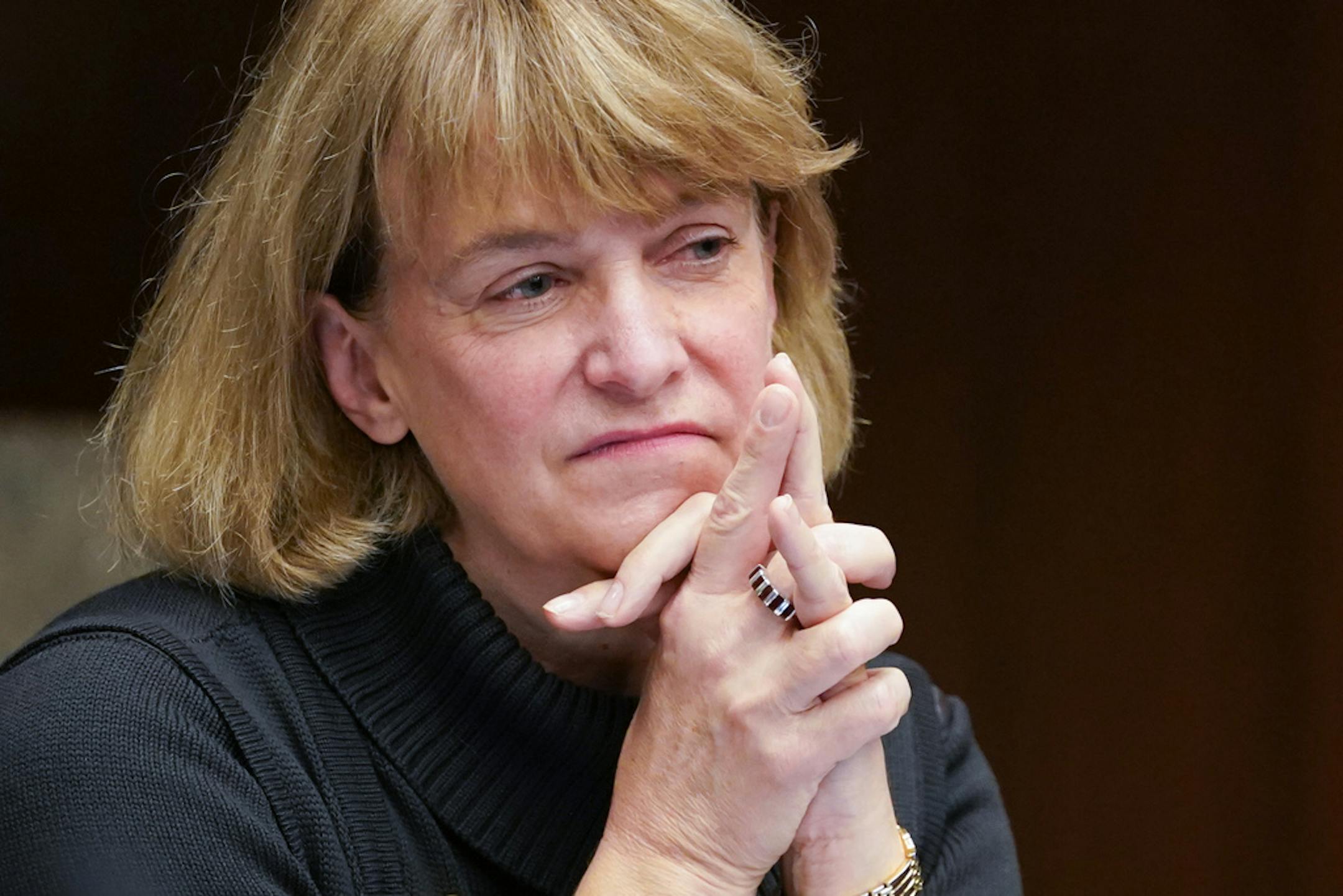
"While these adjustments help in the short term, the decisions will only get harder going forward," said Human Services Commissioner Jodi Harpstead in the memo to DHS employees. She added, "We will consider every idea while staying focused on our goals of mitigating closures of vital services, avoiding layoffs and balancing our budget."
Walz sought extra funding for the Direct Care and Treatment division within his supplemental budget, but two summer special sessions adjourned without lawmakers reaching a resolution. In both sessions, budgetary concerns became overshadowed by a debate over police reforms in the wake of George Floyd's killing.


