

Minnesota House Democrats would tie school funding increases to the rate of inflation and help cover the rising cost of special education and English learner services under their education budget bill released this week.
Democrats in the Minnesota Senate are taking a slightly different approach, giving schools a bigger funding increase over the next two years but not guaranteeing inflationary boosts into the future. They would put more money toward covering school districts' special education costs.
The DFL-controlled Legislature started rolling out its spending bills this week after Gov. Tim Walz and legislative leaders struck a deal to increase the state's budget by nearly $17.9 billion over the next two years, including a $2.2 billion hike for education. The House and Senate must hash out spending and policy differences before they adjourn May 22.
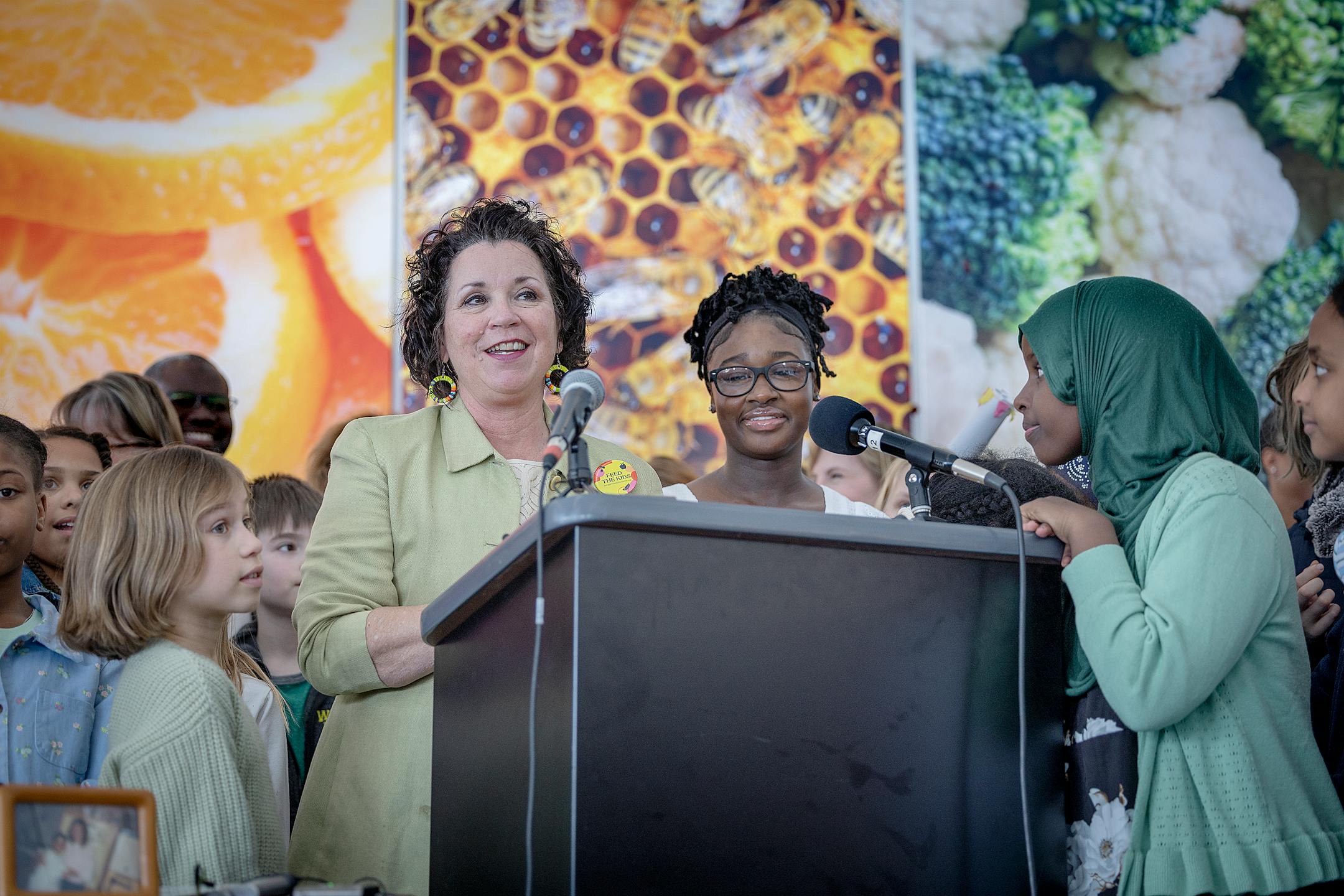
"We've had 20 years of underinvestment in our schools. While we can't change that overnight, or even one biennium, I think this bill is an incredible start," said Rep. Cheryl Youakim, DFL-Hopkins, chair of the House Education Finance Committee.
The House education bill would increase general education funding by 4% in fiscal year 2024 and 2% in 2025 before indexing future appropriations to inflation. The Senate's bill would give state schools a 4% bump in 2024 and a 5% increase in 2025.
Speaker Melissa Hortman, DFL-Brooklyn Park, described the House education budget as one that could have "generational impact." School districts would no longer have to plead with lawmakers for funding to offset inflation, she said.
Democrats in both chambers want to help cover a steep statewide deficit for special education services. The Department of Education estimates that the state's roughly 330 school districts will collectively have an $811 million shortfall between their special education costs and revenue this year.
School districts are required under state and federal law to maintain special education services, but the government has offered only a fraction of the money necessary to provide them. Districts have long had to pull from general funds to cover the difference, squeezing their overall finances.


