

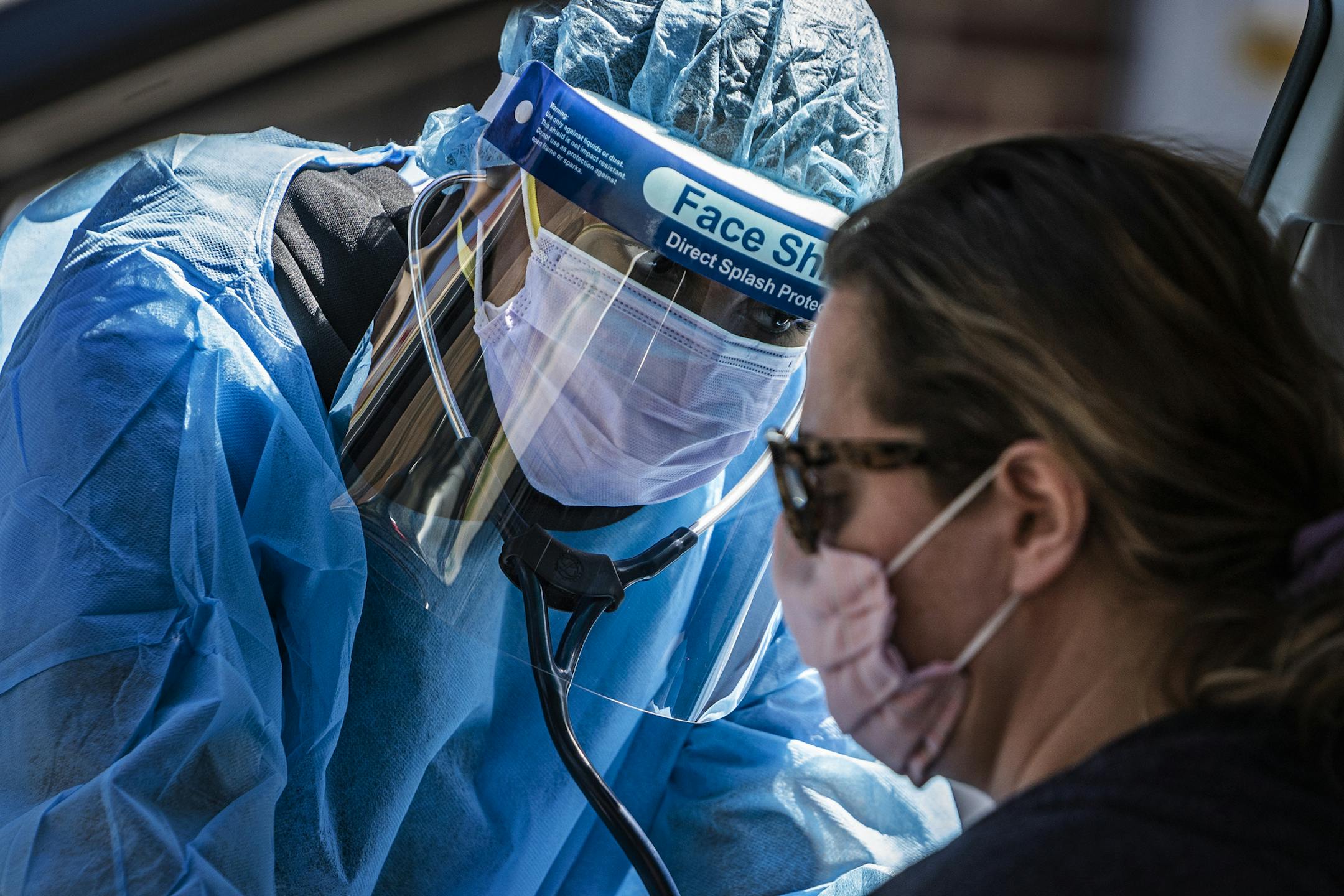
State health officials are bracing Minnesotans for a substantial increase in COVID-19 cases, including 463 lab-confirmed cases reported Wednesday morning, as testing increases for the novel coronavirus that causes the infectious disease.
Eighteen new deaths were reported as well, bringing the toll of the pandemic to 319 fatalities. One of the newly reported deaths involved a 30-year-old, the youngest victim in the state so far of COVID-19 that has been harshest on the elderly and residents of long-term care facilities.
The state has reported 4,644 COVID-19 cases since the start of the pandemic, based on 66,744 molecular diagnostic tests — including a single-day high of 2,915 tests reported on Wednesday.
While the coronavirus is clearly spreading, the rising count is due to increased testing that is identifying more previously unknown cases and finding a high prevalence of cases in nursing homes and meatpacking plants with known outbreaks, said Kris Ehresmann, state infectious disease director.
"With more testing we will see more cases," said Ehresmann in a media briefing on Tuesday. "I want to lay that out — that in the next number of days, we are going to continue to see more and more cases, and people should not be shocked or concerned."
Gov. Tim Walz was scheduled later today to join U.S. Rep. Collin Peterson, D-Minn., in Worthington to discuss the outbreaks in food processing facilities, including the JBS pork plant that has temporarily shut down. That outbreak has fueled the 616 lab-confirmed cases in surrounding Nobles County.
Walz also later this week must decide whether to extend or amend the statewide stay-at-home order, which will expire May 4. The governor in statements over the past week has hinted that he will "dial" back restrictions, but that some might still be needed to limit the spread of the outbreak. Certain retail and other businesses with high and unpredictable levels of foot traffic — which can allow infected people to spread the virus to others — could remain closed.
Increased testing has been a key part of the governor's strategy for managing the outbreak after the end of the stay-at-home order, which was designed to reduce face-to-face contact and disease transmission by up to 80% and to delay the pandemic so that hospitals had time to prepare.


