We don't know what he looked like, but we know he played checkers. And 17 days after the Civil War started, Pvt. Henry C. Winters left his family's farm southwest of Lake City and mustered in with the First Minnesota Infantry Regiment in Winona.
Nine months and several battles later, Winters shows up in fellow soldier Isaac Taylor's diary on Jan. 19, 1863: "Fine, pleasant day," Taylor wrote. "I finish reading the book of Joshua this evening & play a game of checkers with Henry C. Winters of Company K."
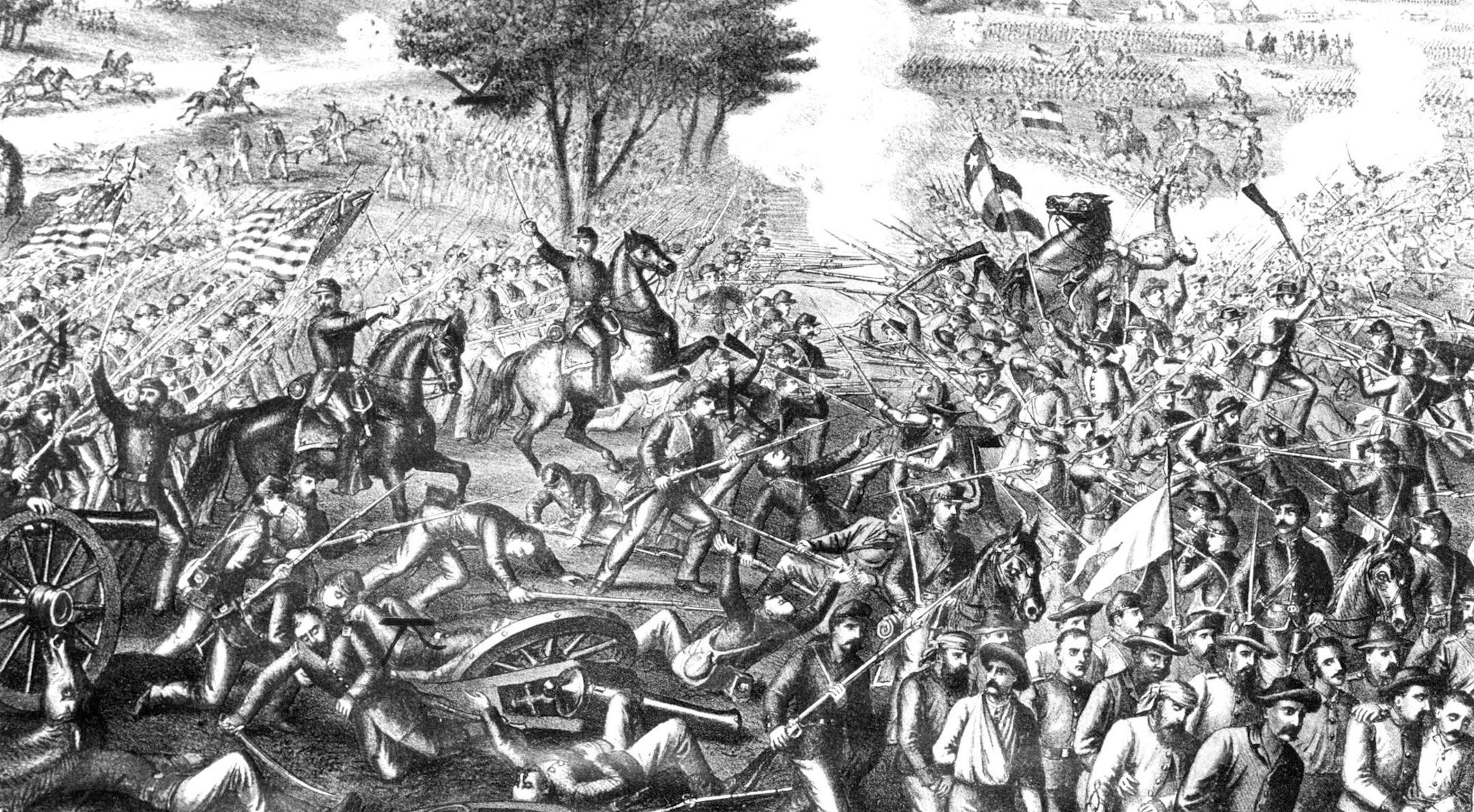
Less than six months later, Winters died on the battlefield in Gettysburg, Pa., during a pivotal Civil War clash that saw more than 50,000 men fall.
"He was just a young bachelor farmer, born in Germany in 1831, who volunteered to fight, along with so many immigrants, for their new country," said his great nephew, Charles "Pete" Winters, 80, a retired Air Force brigadier general and Rochester native who flew nearly 300 combat missions over Vietnam and now lives in Myrtle Beach, S.C.
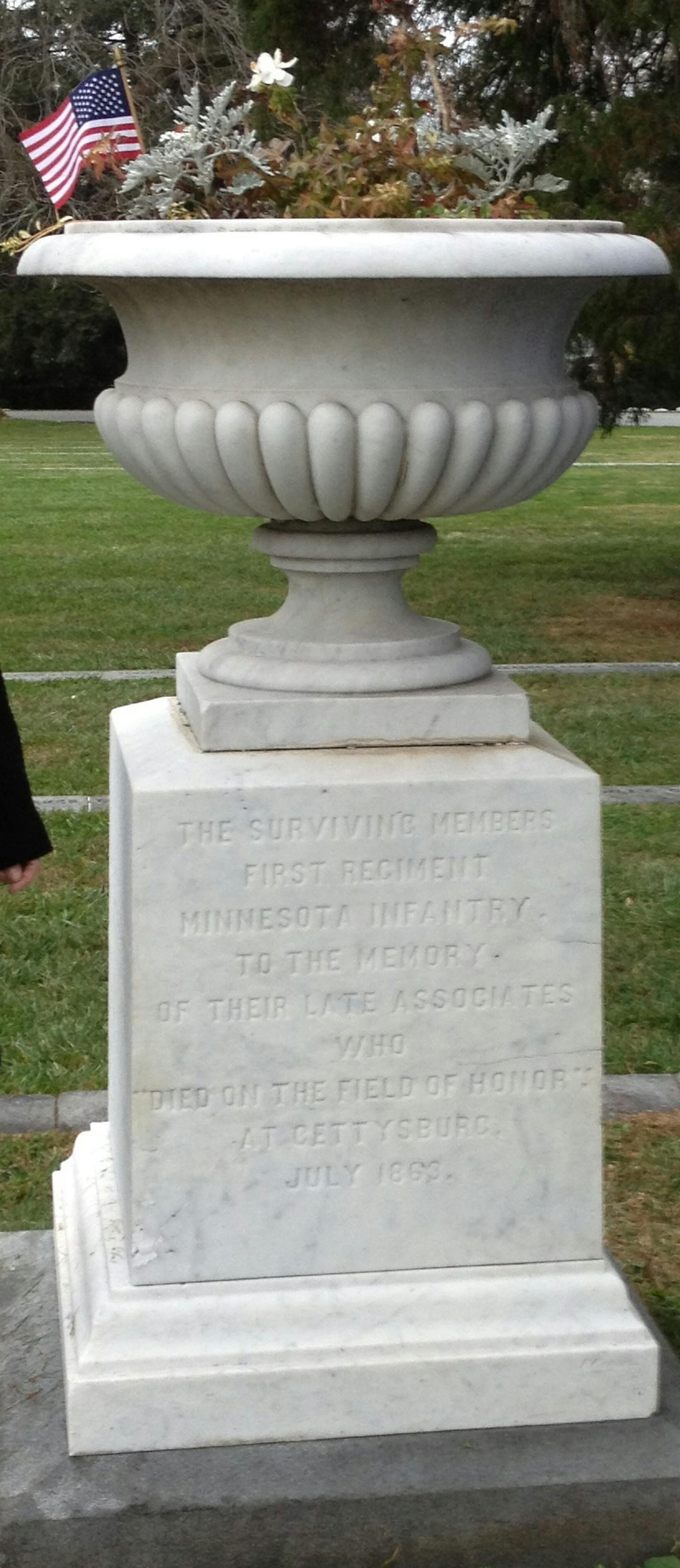
Pete Winters will join a few dozen Minnesotans on Saturday near Henry's grave at Gettysburg National Cemetery. He'll deliver keynote remarks at a commemoration ceremony marking the 150th anniversary of the placement of a memorial marble urn at the cemetery's Minnesota section. It was the first memorial to dot the graveyard.
Back in the autumn of 1867, four years after the bloodbath, those from the First Minnesota who were still alive returned to Gettysburg.
"The surviving members of the 1st Minnesota, which made a gallant fight at Gettysburg, have prepared a headstone memorial tribute to their fallen comrades," according to an Oct. 16, 1867, article in the Gettysburg Star & Sentinel.
The marble planter and pedestal were placed on a granite base and stood about 6 feet high, the newspaper said. Returning to the battlefield couldn't have been easy for the Minnesota veterans. Only six of the 31 soldiers in Pvt. Winters' Company K escaped death or injury.