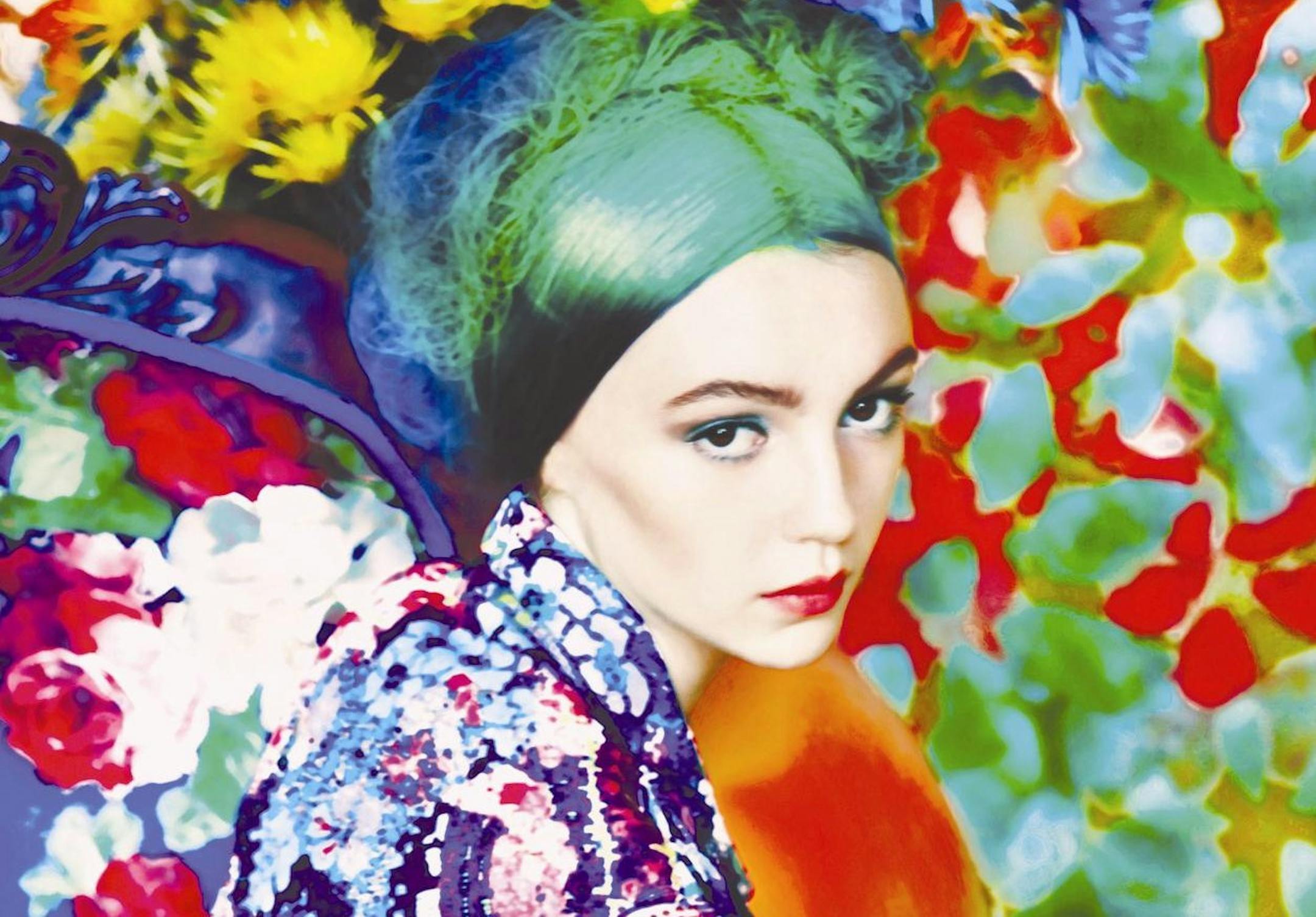
Fashion photography is one part fevered dream, one part visual spectacle and one part shoulder shrug — the same outré photo spread (in the same glossy fashion rag) that you flipped through last month. If you follow fashion, you expect to see provocative images, so there's no real impetus to stop and be provoked.
Now imagine flipping the page and encountering an image that's beautiful for beauty's sake — no shock and awe, no heroin chic, no "so ugly it's cute." Instead, an image appears that's so exquisitely pretty that if you didn't know it was objectively beautiful, you'd think it was designed to mock the existence of elegance.
Unadulterated loveliness is rare in fashion photography. In most spreads, beauty is more synonymous with "women's makeup" and "luxury goods available for purchase" than an image of pure beauty and visual delight.
Gorgeous images do turn up, of course, but they're usually accompanied by deeper, more complicated visual threads. Fashion photography doesn't exist to palliate the world's ugliness.
Erik Madigan Heck's work is the antidote. The Excelsior native creates fashion photos that are a paean to unabashed beauty, and his finest images are anthologized in a new book, "Erik Madigan Heck: Old Future" (Abrams, 2017). His pictures span different styles, from landscape portraits with haute couture as a distant detail to close-ups of stunning sartorial architecture. Readers might mistake the images for classical paintings until they read the jacket flap.
Heck's images share many characteristics with the paintings of the Old Masters — radiant light, intimate interiors, sweeping nature scenes. In the book's opening image, a woman wears a cornfield blue hat, a pared-down white skirt and a transparent shirt. She's bathed in a gauzy light that looks like it's streaming in from one of Vermeer's windows.
Heck isn't interested in the woman's interior life, an approach that shares something with the French post-Impressionist Edouard Vuillard. "I don't do portraits," Vuillard once said. "I paint people in their surroundings." For Vuillard, that intimate space was a sitting room or parlor. For Heck, it's clothing.
Art history buffs will see other influences: Seurat's lakeside scenes, Monet's water lilies, Klimt's gilded patterns, Degas' ballerinas.