Funding the arts in the Twin Cities once took little more effort than a meal and a spiel.
"It used to be you took someone to lunch at the Minneapolis Club, told them about this great group that deserved support, and they'd write you a check," said Ford Bell, grandson of the founder of General Mills.
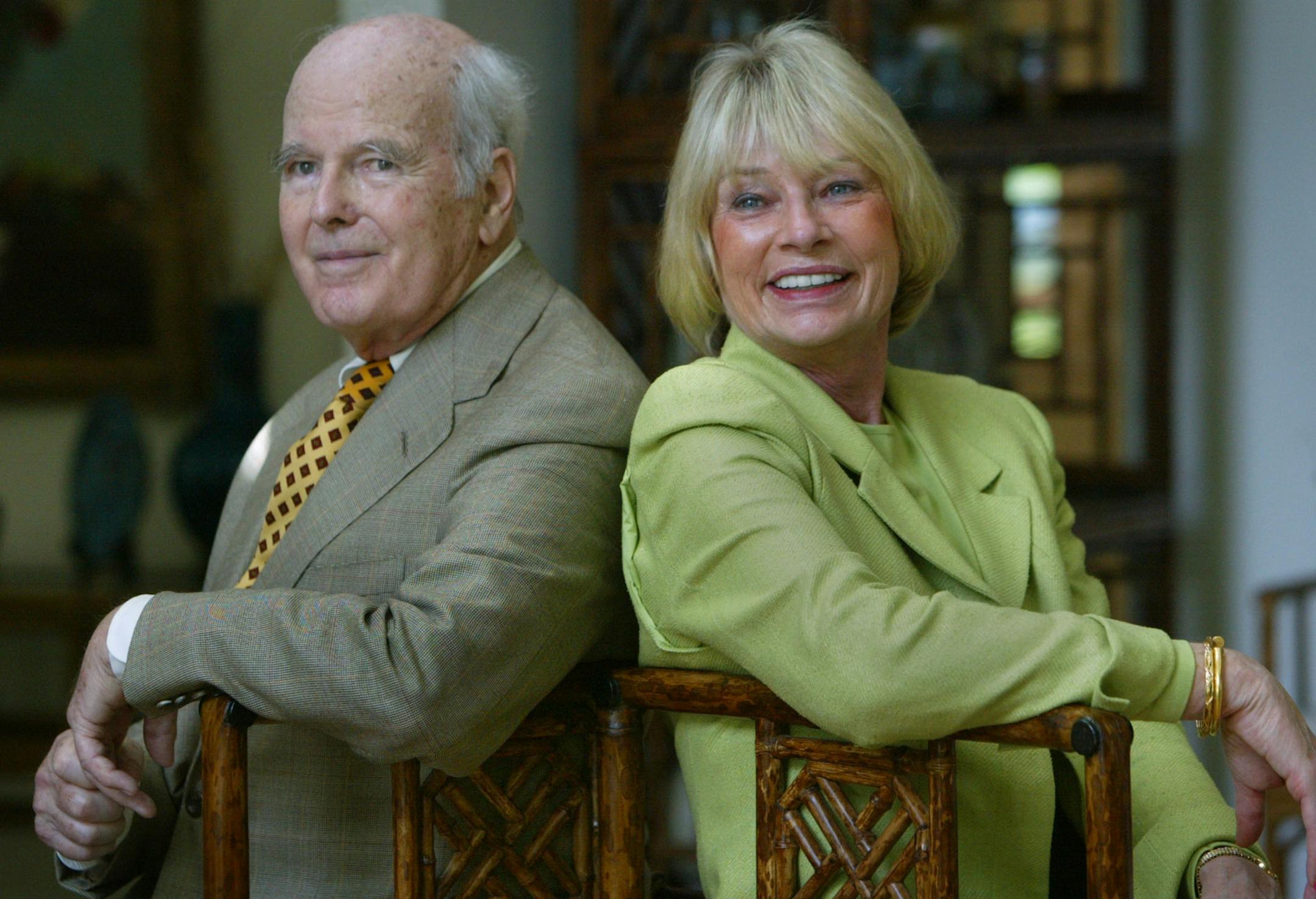
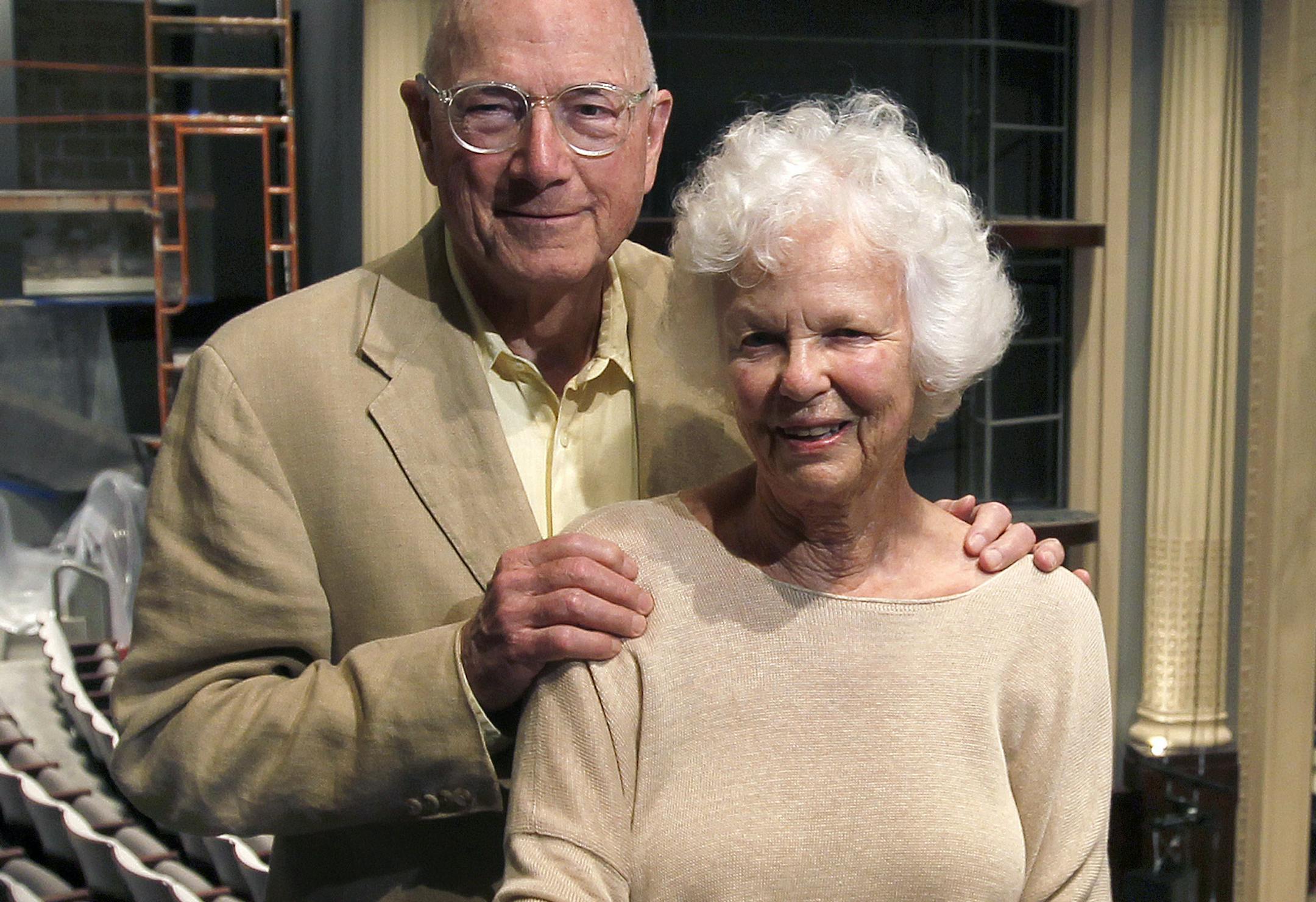
But the circle of wealthy philanthropists who made up the "greatest generation" of arts giving in Minnesota is growing ever smaller. Several have died in just the past two years, including George Pillsbury, John Ordway Jr., Thomas Crosby Jr., and John and Sage Cowles.
With fewer wealthy patrons willing to give enormous sums, arts organizations must invest more resources to reach greater numbers of smaller givers. They must conform to more stringent standards.
Today's younger donors "don't want to give just because a museum is a great place to visit and has always been there," said Bell, a trustee of the Minneapolis Institute of Arts (MIA) who heads the American Alliance of Museums in Washington, D.C. "They say: What's the community impact? That's something we measure now that we didn't used to."
Once during the 1970s, the Guthrie Theater was so cash-strapped it was in danger of not being able to make payroll. A staffer simply went over to board member Polly Grose's house and coaxed her away from her garden long enough to secure a check to cover it.
The late Ken Dayton, who gave millions to the Minnesota Orchestra and whose widow, Judy, continues that support, was "my idol," Bell said. "He'd say, if I think enough of you to make a big contribution, then I have to believe you know how to best use it. You didn't have to show him the 10 additional widgets you were able to produce."
That was then, this is now.