

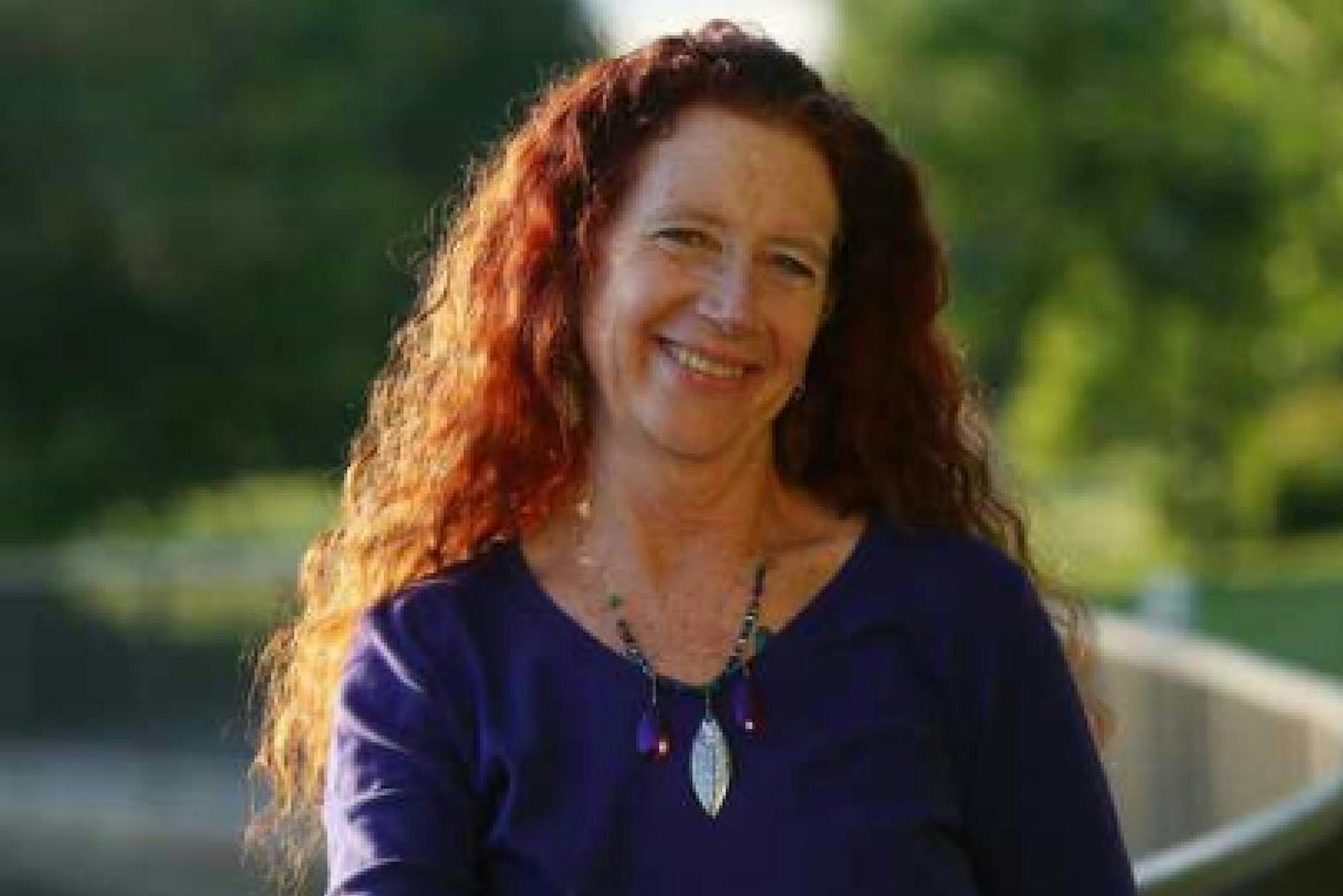
When Patricia Hoolihan of Minneapolis stepped up to care for her aging parents, she knew the task would be meaningful — and challenging. With no road map, she sought out books to guide her. Not able to find one that addressed "the particular challenges" of her experiences, she wrote her own. "Hands and Heart Together: Daily Meditations for Caregivers," offers uplifting messages and practical tips, and it comes at a crucial time. More than 53 million Americans are now caregivers, according to AARP, up 10 million from 2015. As that role expands (Hoolihan was one of several caregivers for her grandchildren during the pandemic), she shares her thoughts on sacrifice, loss, growth and the joy of hugging.
Q: You began your caregiving book in August of 2019, when we simply didn't grasp the enormity of what was coming. How did that timing impact your deadline of June 1, 2020, when the perils were clear?
A: In those spring months of 2020, I found myself needing to write about caregiving during COVID because it was happening all around me. I wrote 11 meditations that deal specifically with COVID, but in those early months it was hard to discern how long COVID would be around. If I had known how tenacious this virus time would be, I would have written more.
Q: I feel like COVID put caregiving on steroids in that, suddenly, everyone was a caregiver for someone — children, parents, spouses. Can you speak to how the definition of caregiver has shifted and expanded?
A: I have used that same phrase: Caregiving on steroids. It has been all around us, the need for it, the way caregiving is the one and only thing that softens the hardness of physical and mental pain of COVID and everything else. The definition of caregiver has expanded as people take care of each other in so many ways and at all ages. Think of all the cultural resources that were cut off for much of this past year: schools, workplaces, the ability to gather with loved ones for something as simple as birthday parties. Everyone was reeling. We all needed to care for each other in this new world.
Q: Are some people better suited to caregiving than others?
A: There is no prescribed personality trait required. Some people are more comfortable stepping into this role than others. But I have known people who felt ill-equipped in terms of personality, who had difficult relationships with the one they are caring for, and yet were able to caregive with compassion. It takes awareness and effort but many such people learn a lot about themselves in the process.
Q: You speak of loneliness as an inevitable byproduct of caregiving. But we've just survived a year of tremendous loneliness for most of us, caregiving or not. Is it a good thing that we all experienced that?


