

The mayor's office announced Monday that it will no longer pursue a fee increase on local businesses to pay for extra health inspectors.
The proposed "health risk impact fee" could have cost some businesses more than $400 a year, but the mayor's office said it was necessary to hire six more inspectors. Based on "new revenue projections," however, the fee won't be needed, according to an e-mail mayoral aide Peter Wagenius sent to Council Members Monday.
"Based on those revised – and positive – projections, the Finance Department believes the needed additional inspectors can be hired with projected revenues and without the Food & Health Safety Fee," Wagenius wrote.
That's likely to bring some relief to local business groups, who fiercely resisted the proposal. Wagenius said the mayor recommends delaying consideration of the idea "until next year."
Hiring new food inspectors is a big priority at City Hall. The state Department of Health deemed that the city's health inspection program was "unacceptable" in 2010.
Inspection frequency problems identified by the state still haven't been resolved. That's largely because the city has 1 inspector for every 377 facilities. The FDA recommends 1 for every 180 to 225 facilities.
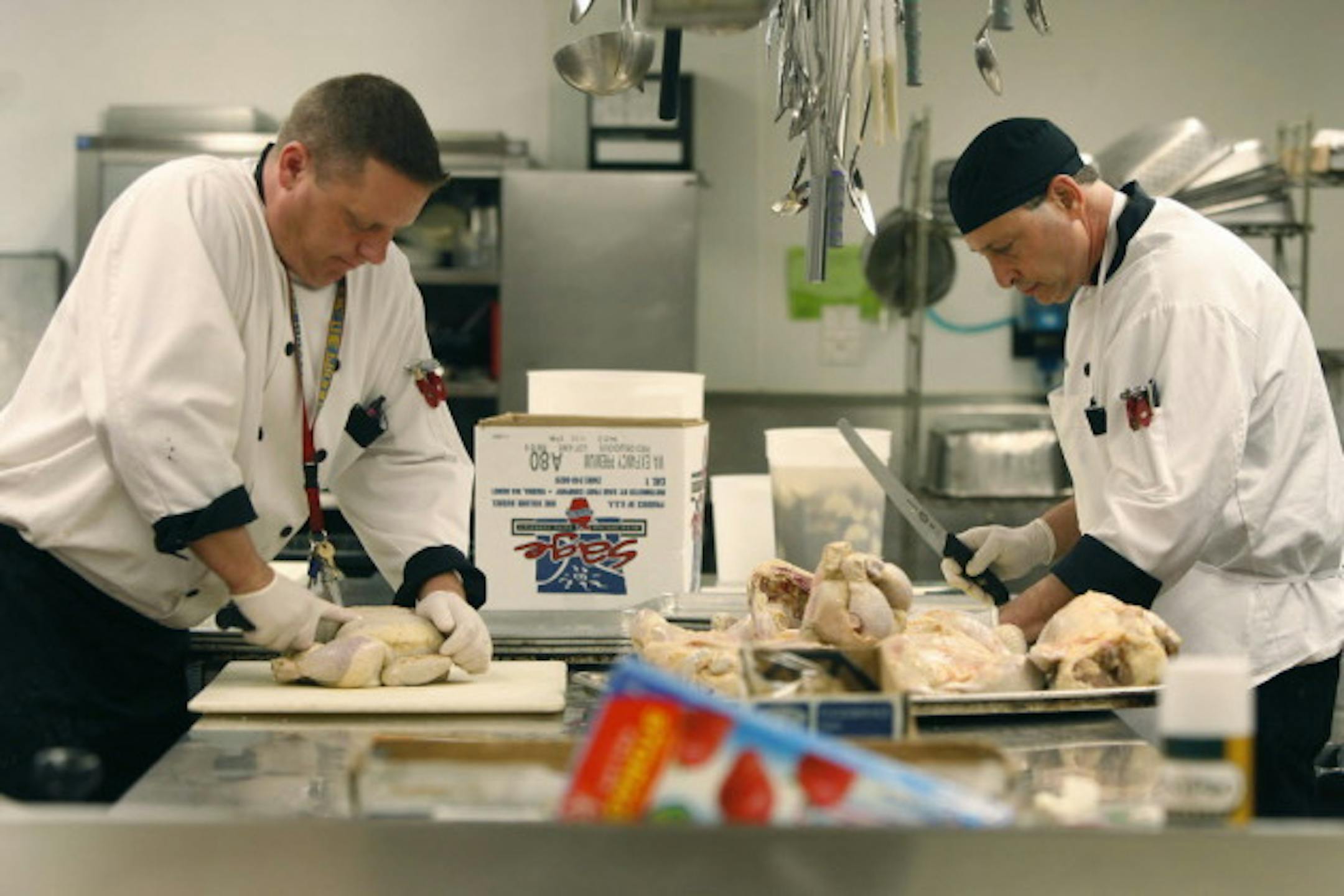
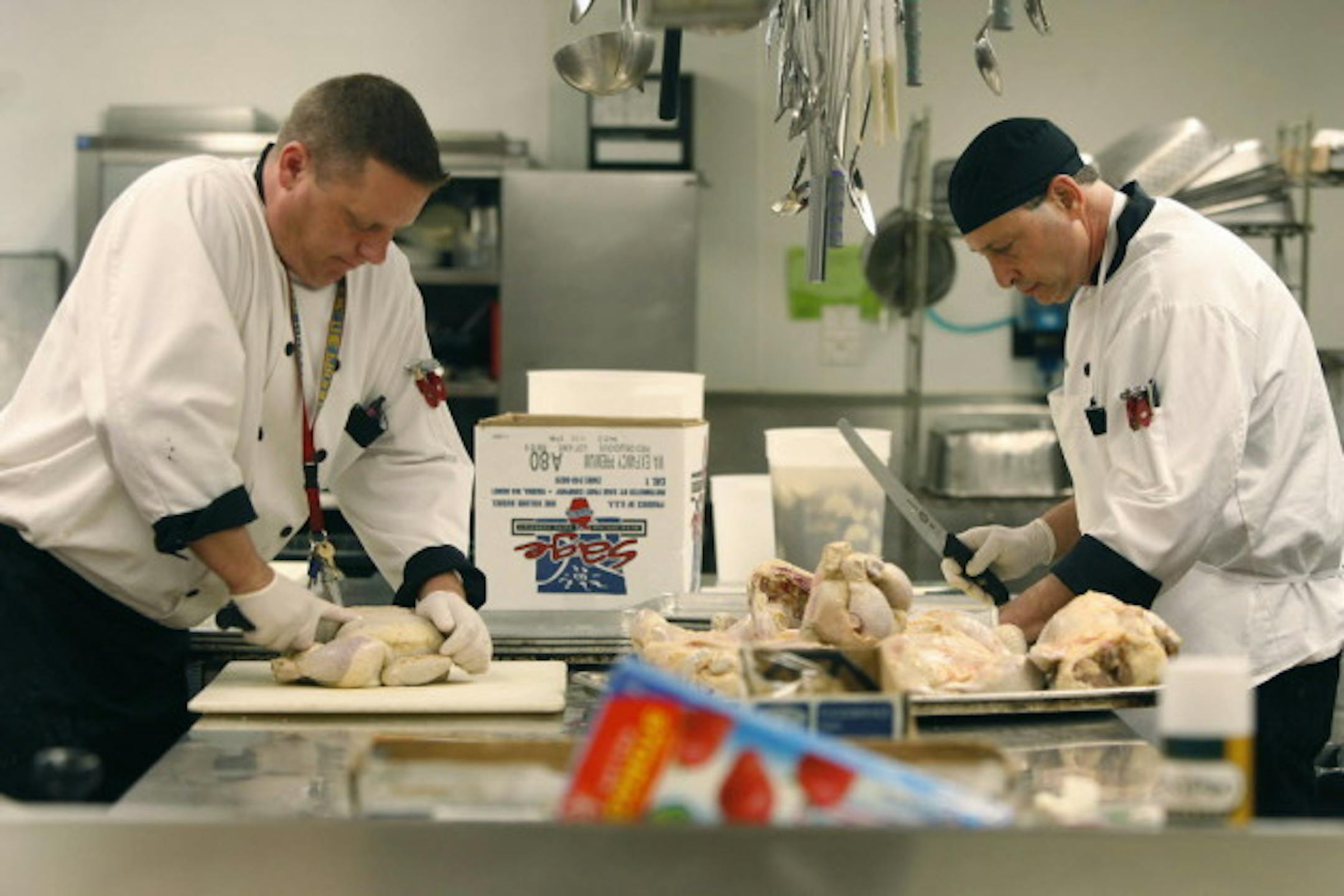
"We're very pleased," said Joyce Wisdom, executive director of the Lake Street Council, a business association. Wisdom said one of the top problems with the proposal was that it would have weighed more heavily on facilities that do a lot of prep work on site. In other words, a locally sourced restaurant might pay more than a chain that merely heats and serves food.
"It was exactly the opposite from what the city of Minneapolis in particular has been doing in terms of encouraging 'eat local, buy fresh,'" Wisdom said.


