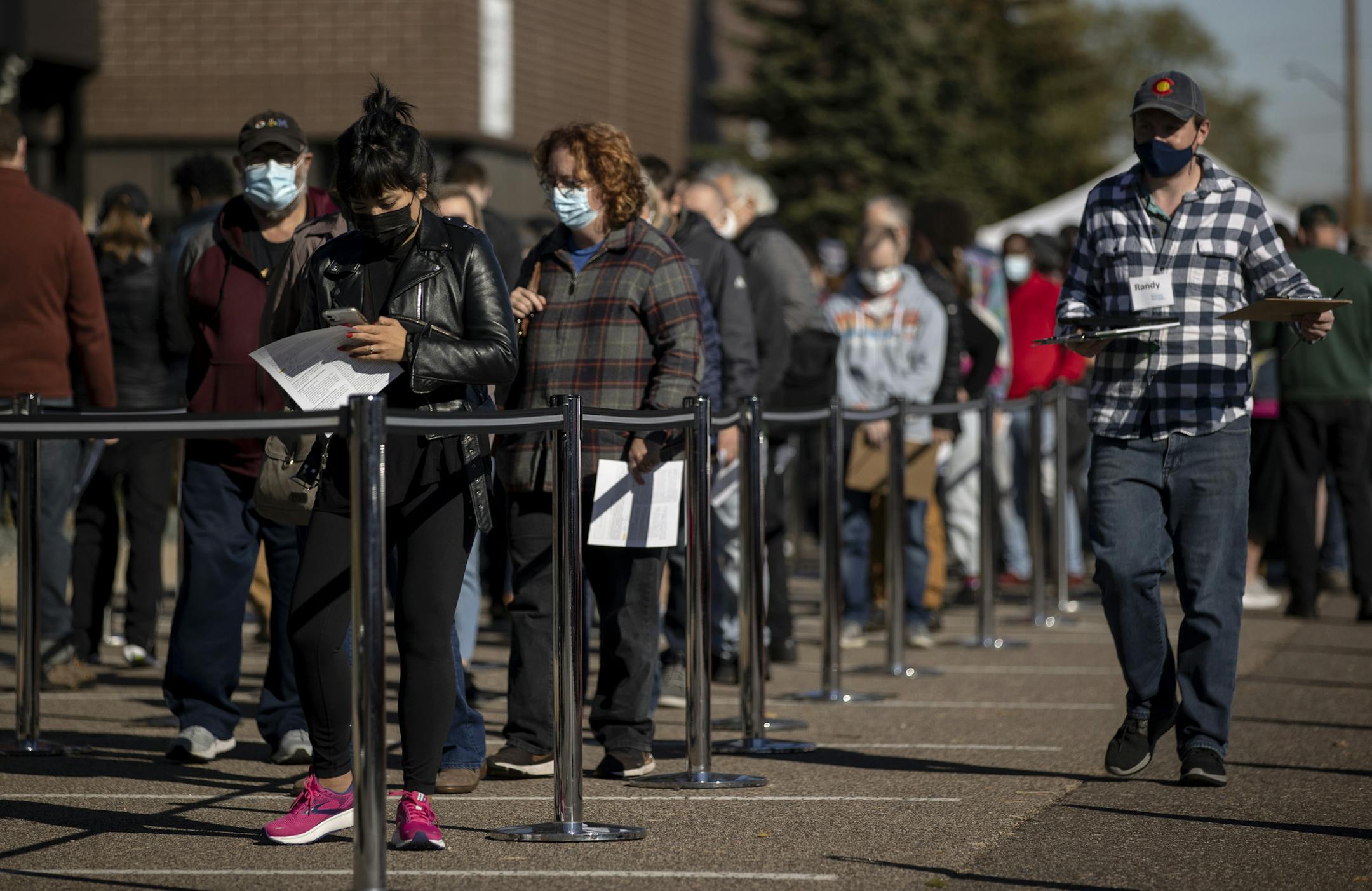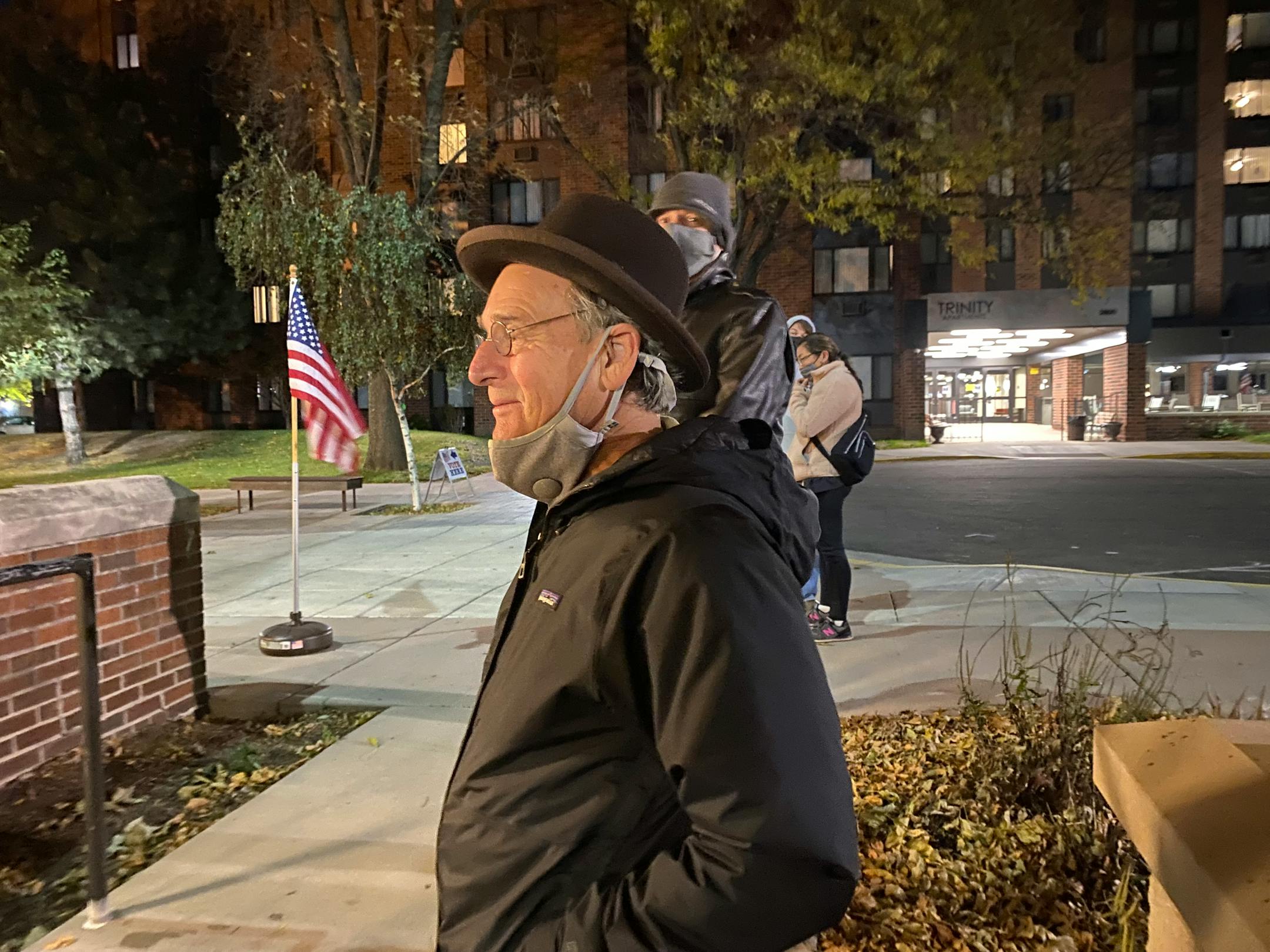
Minneapolis voters heading to the polls Tuesday will decide the fate of contentious ballot questions and highly competitive city races that could alter City Hall and the future of policing in Minnesota's largest city.
Officials predict the election — which has drawn national attention and is the first city election since Minneapolis police killed George Floyd — may surpass records for turnout in a city election.
"We in Minneapolis have a really active, engaged electorate," City Clerk Casey Carl said. "We're seeing turnout that is much more significant than previous municipal elections."
More than 28,800 voters, or 11% of all registered voters, cast ballots through Monday night for the highly anticipated election, exceeding records for early voting going back nearly half a century. That's 140% higher than the number of absentee ballots submitted in 2017. Carl said even more voters were expected to go to their polling places Tuesday.
Voters are selecting candidates in races for all 13 City Council seats, the mayor, the Park Board and the Board of Estimate & Taxation as well as deciding three ballot questions including one on rent control and another on whether to replace the Police Department with a public safety agency.
Minnesota's largest city is one of more than 180 cities and school districts across the state holding elections Tuesday. In St. Paul, residents are voting on mayoral and school board seats, as well as an ordinance that would limit rent increases to 3% a year. Several suburbs also have local elections — from Golden Valley to White Bear Lake.
In Ramsey County, as of Monday morning, nearly 8,600 ballots had been received, about 1,000 ballots short of total absentee ballots submitted in 2017. In Hennepin County, 37,700 absentee ballots had been accepted as of Monday morning — up 75% from total absentee ballots in 2017.
"This isn't that surprising to me because we did see quite a high level of absentee voting activity in the 2020 election cycle, owing to the pandemic," Hennepin County Elections Manager Ginny Gelms said. "I think a lot of people who maybe hadn't voted that way before got a taste for it and are continuing to vote that way."