

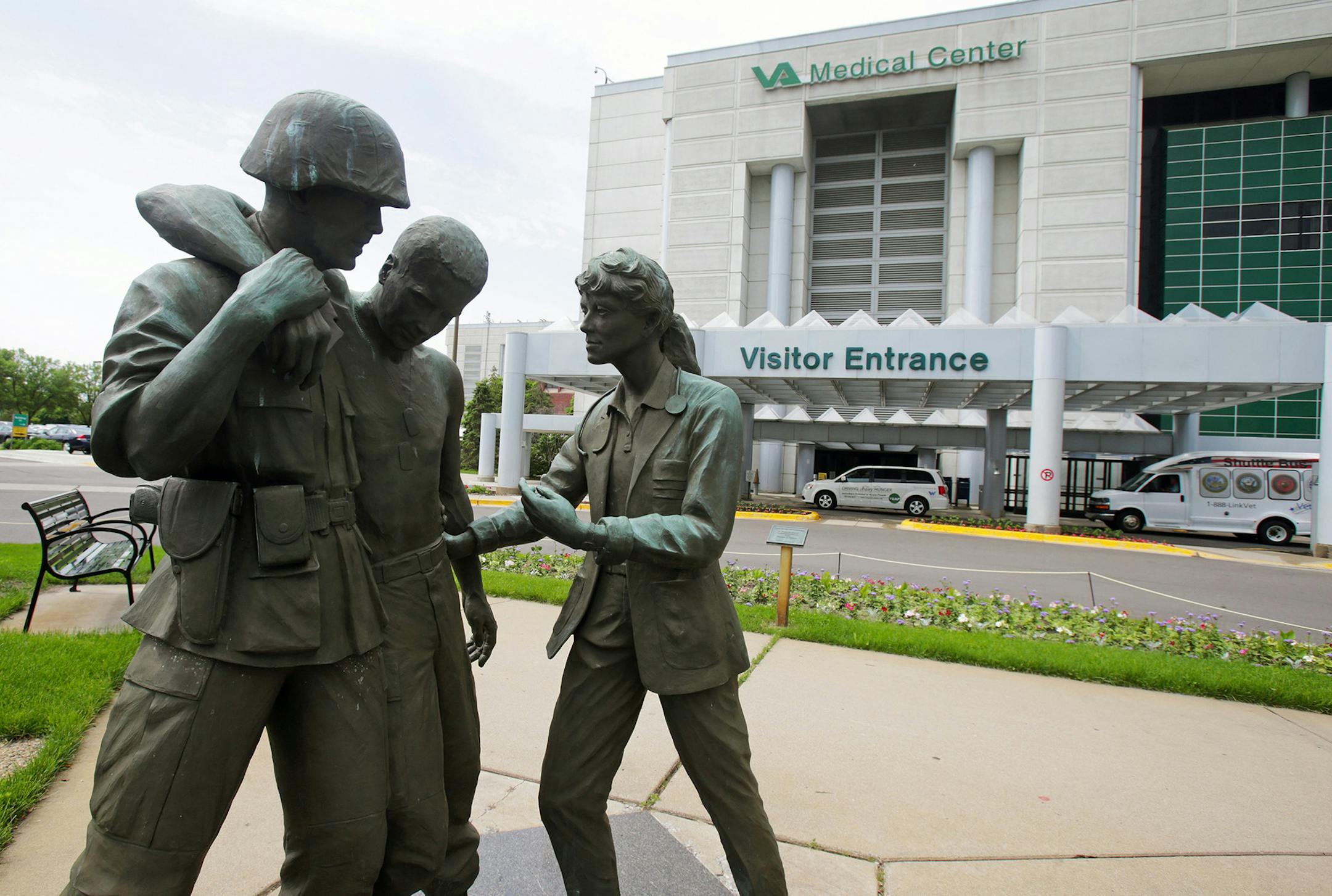
Researchers at the Minneapolis VA Medical Center are taking on one of the most vexing questions in the treatment of post-traumatic stress disorder — when to have patients confront their traumatic experiences, and when to focus instead on present-day struggles.
While the VA recommends a trauma-focused approach, which helps people manage stress and anxiety by facing the violence or accidents in their pasts, it has a poor understanding of which patients can tolerate such intense therapy, and how substance abuse affects success or failure, said Shannon Kehle-Forbes, a researcher at the Minneapolis VA and within the VA's National Center for PTSD.
"We have a big group that can't make it through," she said. "For [patients with] PTSD and substance use disorders in particular, the noncompletion rate of trauma-focused therapy can be as high as 80 percent. … When your noncompletion rates are that high, you have to look at other options."
Kehle-Forbes and the Minneapolis VA received a $5 million grant to compare outcomes of 420 veterans with PTSD and substance abuse disorders who receive trauma-focused therapy or a non-trauma approach. Veterans will be recruited from 14 VA hospitals, starting this spring.
As many as half of veterans with PTSD also abuse drugs or alcohol. Clinicians used to believe that addictions needed to be treated first, but Kehle-Forbes said the current thinking is to treat both at once. That increases the need to understand what types of addictions affect PTSD therapies.
Volunteers will receive as much as 16 weeks of PTSD therapy, and be evaluated at the end to determine if it helped.
Researchers will then look for patterns in the health and substance abuse histories of the veterans that succeeded or failed in treatment. Patients with addictions were often excluded from past PTSD studies, so the impact of therapies on them is poorly understood, Kehle-Forbes said.
PTSD is common among victims of violence and accidents, and among soldiers following deployments. Common symptoms include panic attacks or the reliving of traumatic emotions in everyday activities.


