

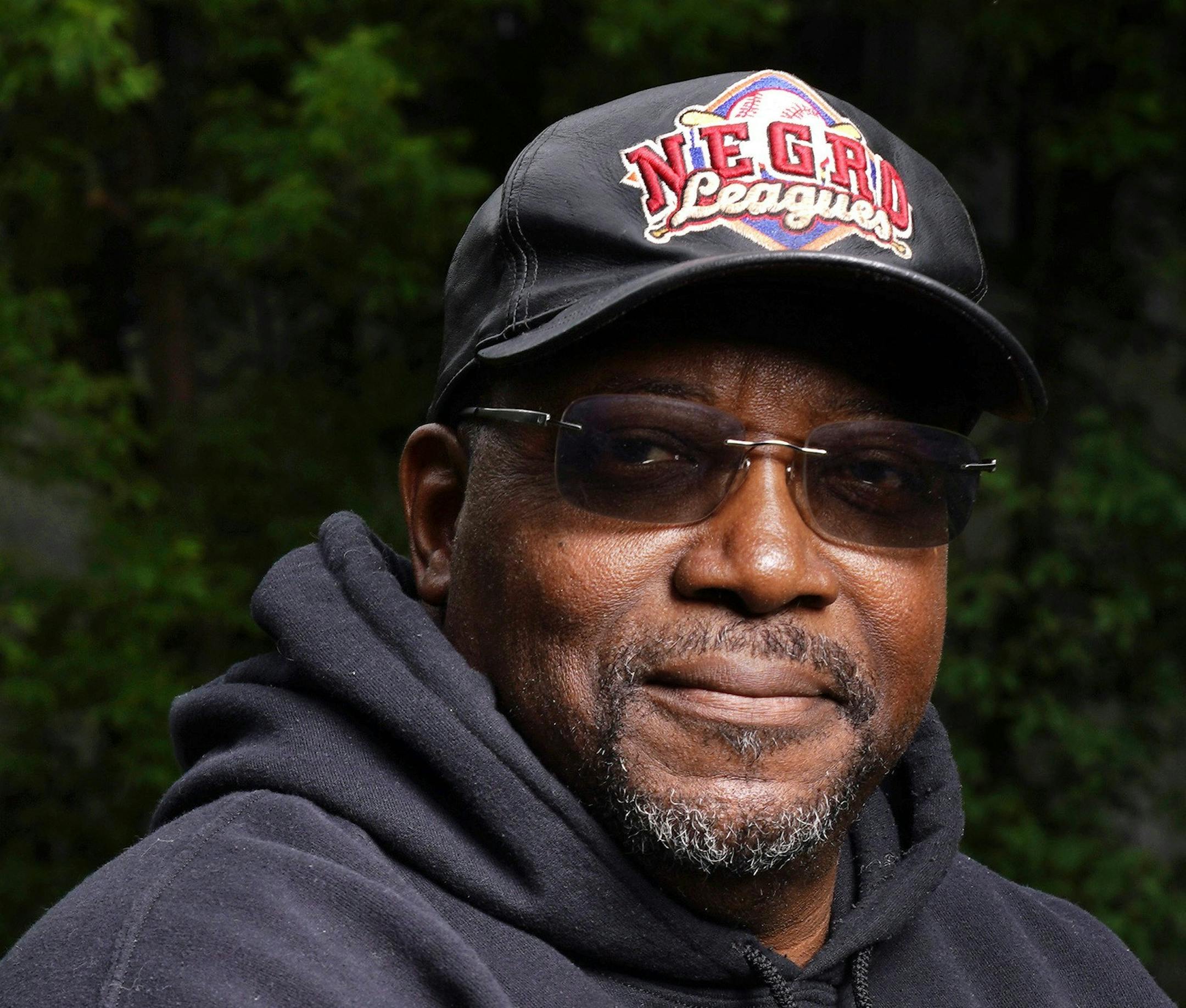
Dave Ellis didn't have to step out of his house to learn his first searing lesson in racial injustice. When he was 7, his father died in his arms from complications of a stroke. The ambulance wouldn't cross to their side of town to save him. Ellis, 68, moved to the Twin Cities in 1974, where he worked for the Minnesota Department of Corrections and United Way before founding Dave Ellis Consulting, which promotes training and meaningful conversations around race, equity and childhood trauma. He heads to New Jersey later this month to become executive director for New Jersey's Office of Resilience. In this wrenching moment for our city, he encourages us to continue to have productive conversations.
Q: This now feels like a wholly inadequate opener, but how are you?
A: It's a fascinating question and one of the most powerful. I've been getting text messages and phone calls from around the world. It's kind of like Sept. 11. That was in the news for so long, brought up so many times. But this is the first time in my life when "angry black man" applies to me. I think I've been angry for a long time but this is the first time it's started to bubble out. Anger is not a bad thing as long as you use the anger constructively by trying to help people and by asking, "What are the next steps?" But overall, any day I wake up is a good day. I get to participate and try to do good in the world.
Q: An imperfect world, to be sure. You learned that at any early age.
A: My father's death had a dramatic impact on me. I grew up in southern Illinois, which is as much a part of the south as Mississippi or Alabama. I remember going home for my college's athletics Hall of Fame and I went into places where they still referred to me as "boy," with a smile on their face. I had my kids with me and some of my grandkids. I've never really raised my voice. I'd rather walk away. Some people see that as a weakness, but I see that as a strength. I didn't let someone force me into something, I'm still in control.
Q: Did your mother influence your decision to walk away?
A: Growing up, we didn't have "the talk." We had a conversation that went on my entire time being raised. My mother told me how I would or would not communicate with authority. My mom taught me in her very strict way that it was, "Yes, sir, yes, ma'am." To this day, I say that to people even younger than me. I don't want my decision to put me in a position of not knowing if I'll get to come home tonight.
Q: You moved here with wife Loretta, a Minnesota native, first living in the suburbs before moving to north Minneapolis to raise your five kids. Culture shock?


