Losing trees faster than they can be replaced, Minneapolis is looking to a simple but innovative device for help in restoring the urban canopy.
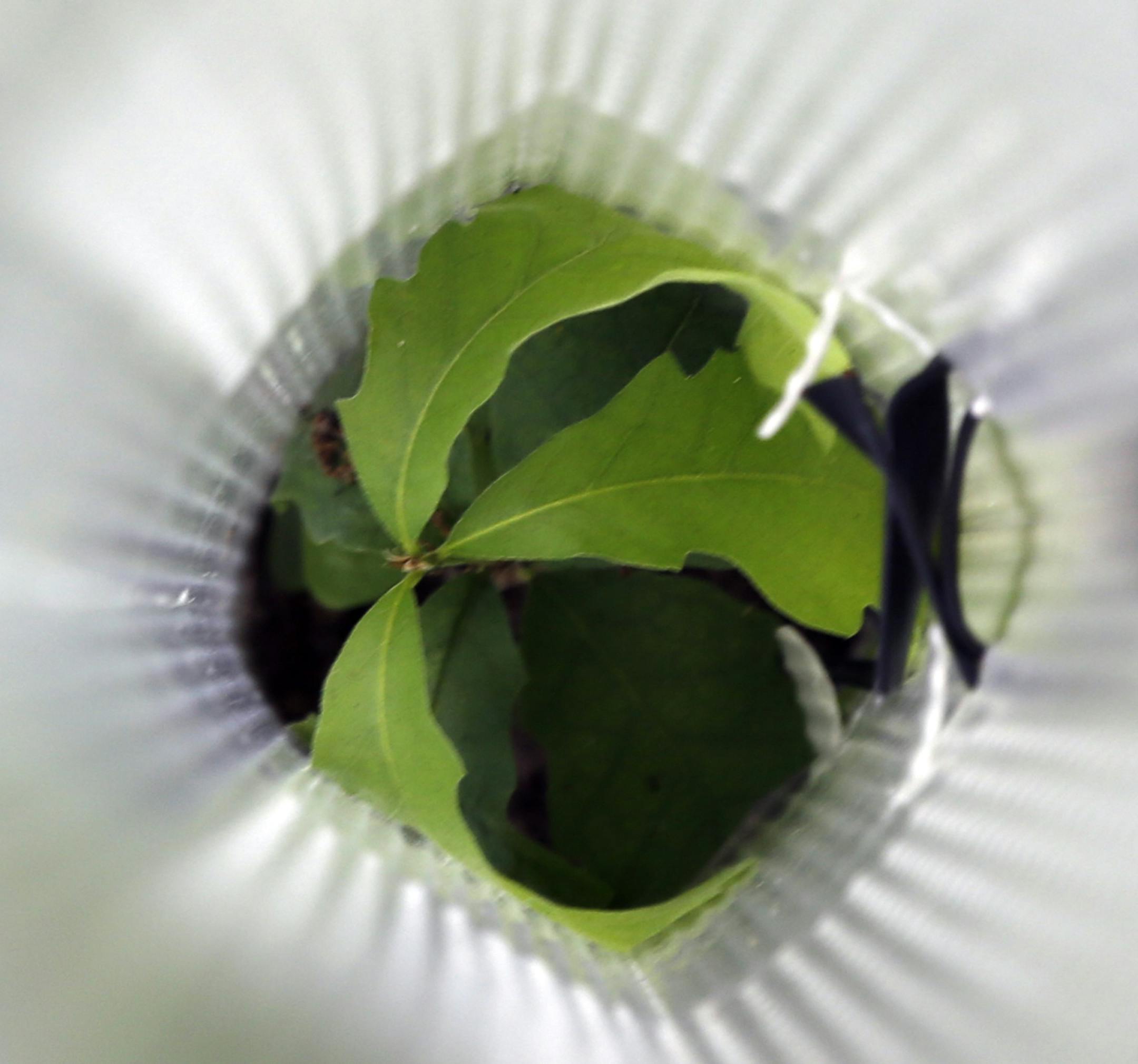
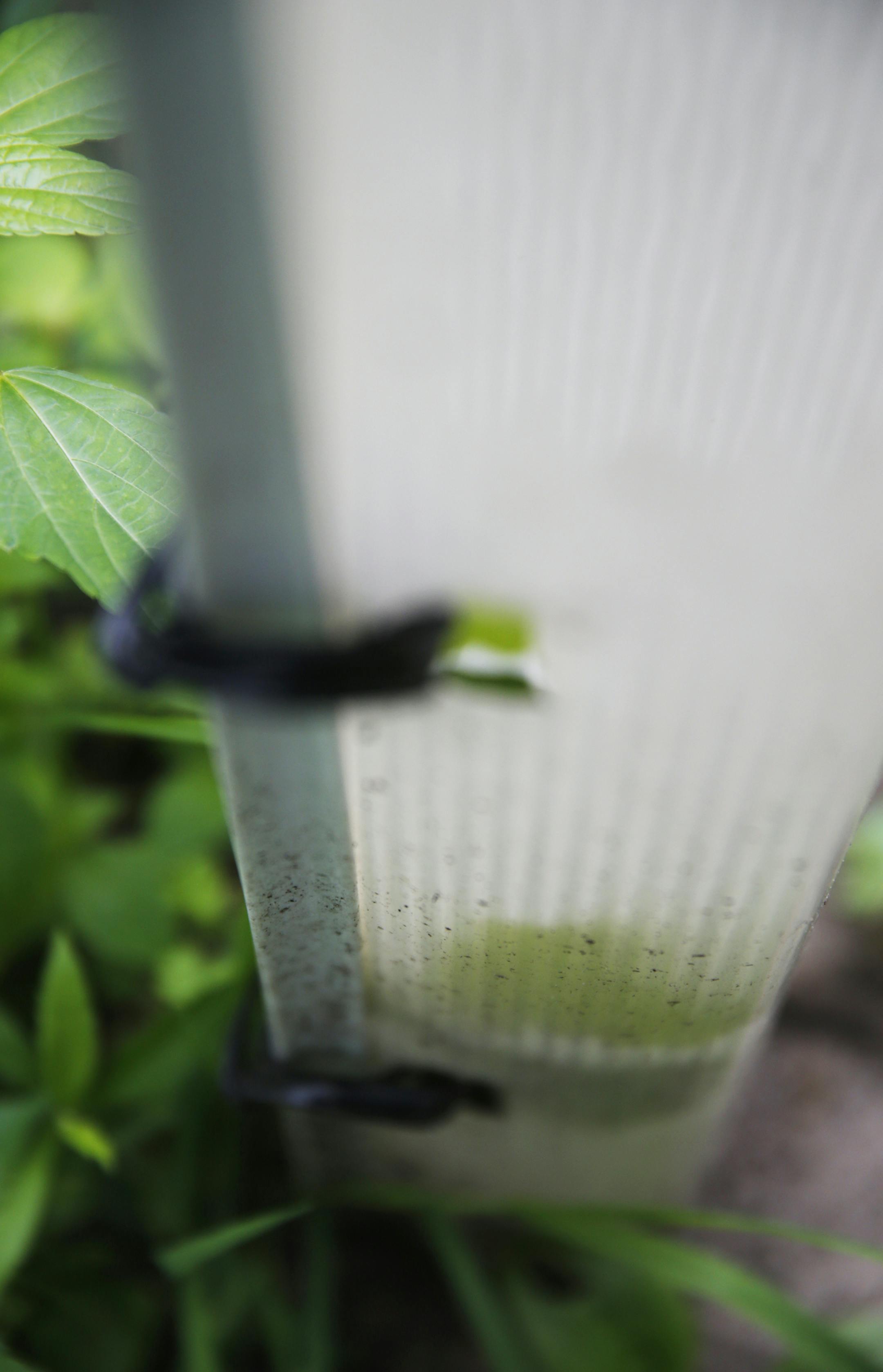
Seedlings encased in "tree tubes" will be planted this fall along Dean Parkway, as the city grapples with the loss of thousands of trees from June storms and invasive beetles known as emerald ash borer.
If the pilot project goes well, it could be replicated in other parts of the city.
The inexpensive plastic tubes, made by Eagan-based Plantra Inc., act as miniature greenhouses that shield young plants from wind, weeds and animals. Anchored in the ground with a fiberglass stake, they filter light through 1,084 vents and are designed to help trees grow straight and strong.
Currently, the 5,000 trees planted yearly by the Minneapolis park system tend to come from commercial nurseries and are often many feet tall and several years old by the time they're planted into the city's soil. That's because it is often difficult to grow seedlings in an urban setting, where their development can be thwarted by the missteps of people and the trampling and gnawing of rabbits and woodchucks.
Working with researchers at the University of Minnesota, the Minneapolis Park and Recreation Board hopes the tubes can foster the growth of more and longer-lasting trees by nurturing seedlings as they mature in place.
Establishing trees when they are smaller and younger gives them a better chance of becoming resilient to stresses in their environment and living longer, according to Chad Giblin, a university horticultural scientist working on the project.
"So many tree-planting programs are about planting trees and people feeling good … but nobody says, 'Well, how many survived?' " said Joe Lais, CEO of Plantra.
![At Newell Park in St. Paul, The Minneapolis park board is considering tree tube technology has already been tried in St. Paul to help nurse trees from seedlings due to ravages to the urban canopy. Scientist Chad Giblin and St. Paul forestry's Zach Jorgensen show the roughly 3.5 acres that have been planted with seedlings of Burr oak, ironwood, and padoga dogwood protected by tree tubes.] tsong-taataarii@startribune.com](https://arc.stimg.co/startribunemedia/QY3CUJKAZXFBKZAFWDN4PFQEGQ.jpg?&w=1080)