

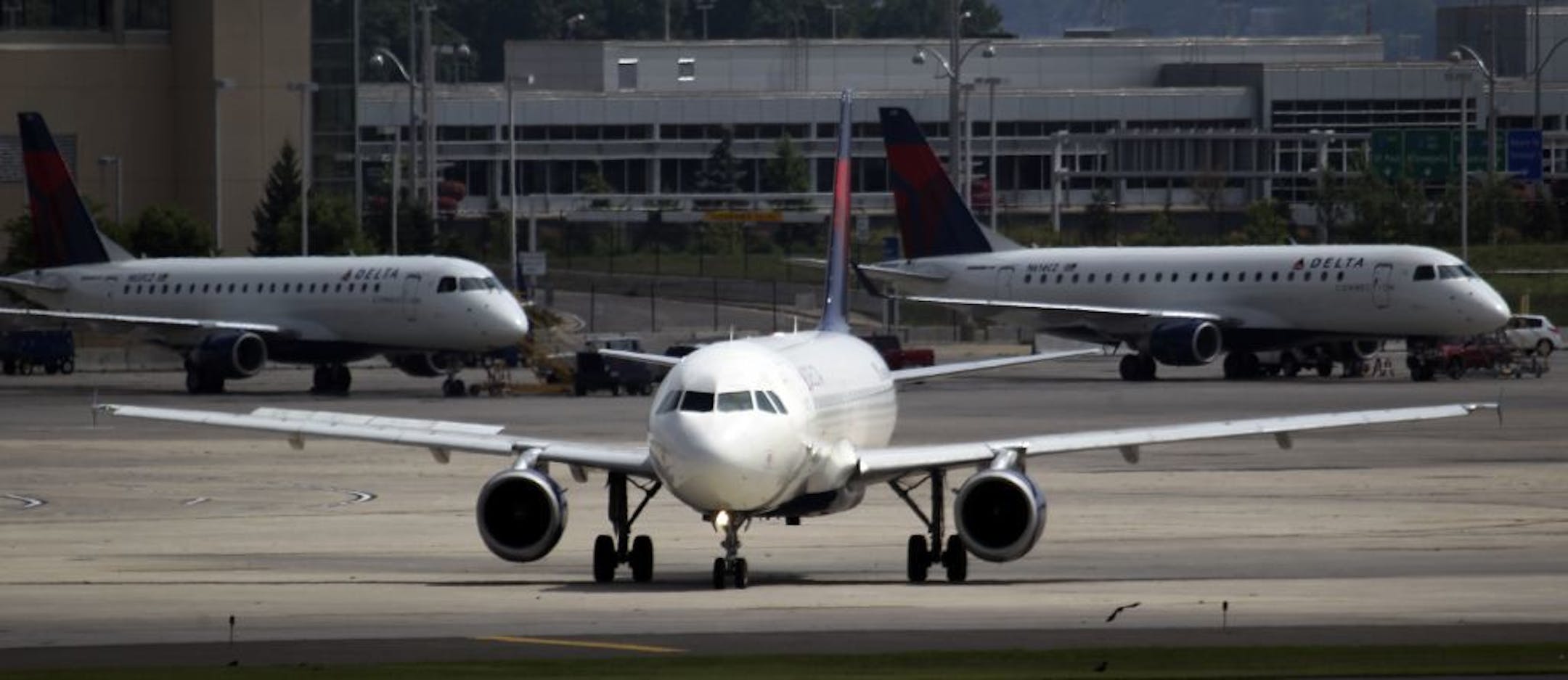
A $1.5 billion expansion of Minneapolis-St. Paul International Airport is gaining momentum amid uncertainty about future flying needs and growing scrutiny of the project's impact on surrounding neighborhoods.
The proposed expansion would increase airplane noise for thousands of metro homes. Most of them received sound-proofing from the airport and won't get additional help. But 1,131 in Minneapolis are expected to get subsidized sound-proofing.
The agency that runs the airport said the expansion is needed to relieve current congestion and meet future demand. The Metropolitan Airports Commission recently released a report on the environmental impact of the expansion. That will be the focus of public sessions in the next few weeks that could help shape a final decision.
But even some members of the airports commission question whether demand will justify the expansion.
"I'm a little concerned about where the economy is going to be in the next decade or two," said Commissioner Mike Landy. "I've seen some airports ... Cincinnati is one, that have been entirely turned on their head. I just want to be a little careful."
"I don't think it's a done deal," said Commissioner Greg Foster, who represents Minneapolis. "There's skepticism from the commissioners as to how much we really need to proceed with. We need to be very cautious about spending a lot of money without the clear path to increased traffic."
The plan calls for remodeling concourses and building a new international wing and a parking ramp and paying for it with airport revenues, mostly from passengers and airlines. The expansion would benefit the airport's dominant carrier, Delta Air Lines, by consolidating its operations into one terminal and moving other major airlines to a less popular one with low-cost carriers.
The airport is recommending the move over a less expensive expansion that would leave United and other major airlines with Delta and its partners at the Lindbergh terminal and keep low-cost carriers at the Humphrey terminal.


