

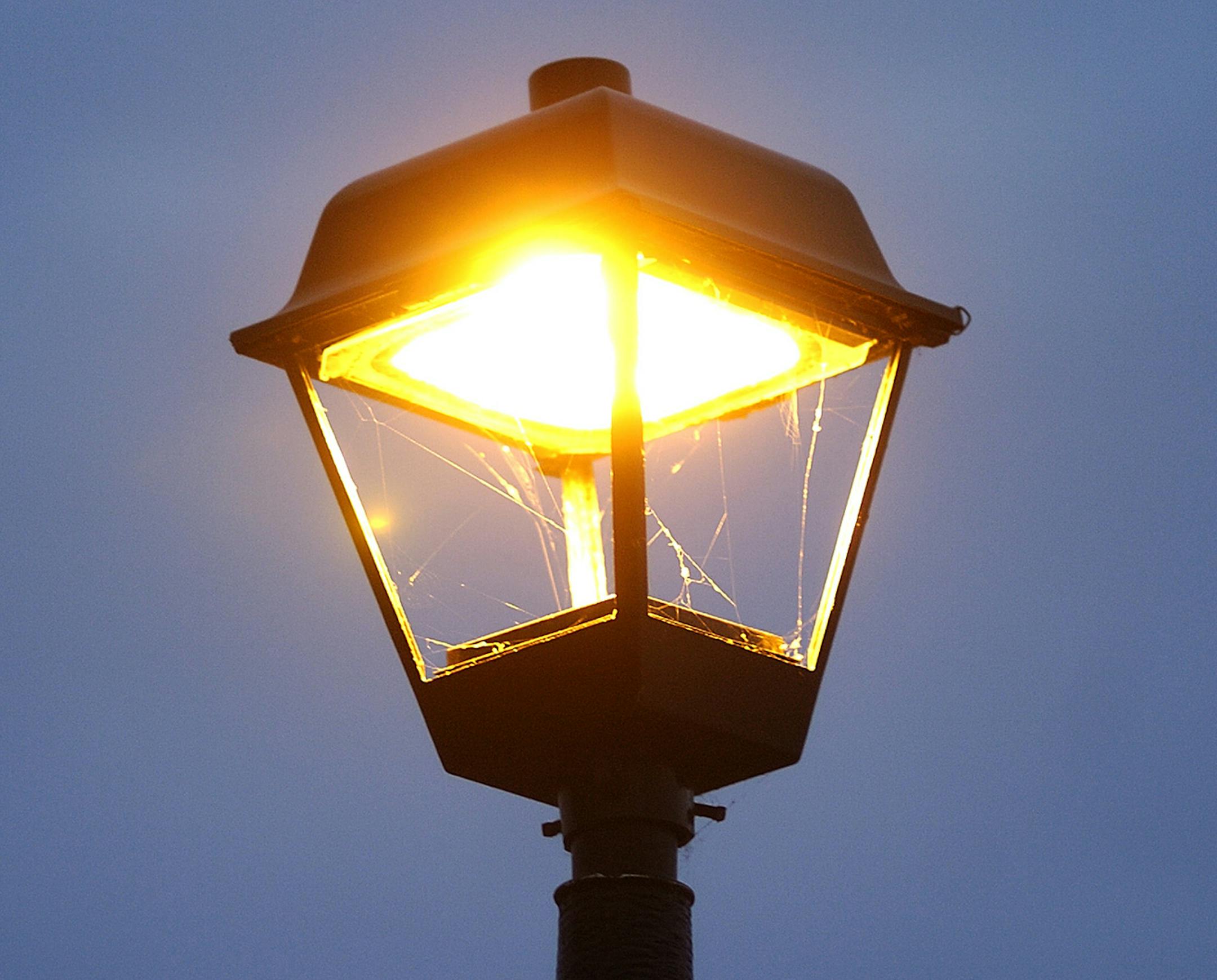
Last August, Troy Kester reported four broken streetlights on W. Broadway to Minneapolis' 311 hot line. The city didn't fix them until spring.
"The fact that there's a whole string of messed-up lights doesn't send a good message to the people driving through," he said.
Minneapolis is reviewing its streetlight system after noticing in municipal surveys that residents of north Minneapolis — where Kester reported the lights — and the Phillips community in south Minneapolis report dramatically lower rates of satisfaction with their lighting than anywhere else in the city. Those areas also have higher poverty and crime.
"Is it a perception issue?" Steve Kotke, public works director, asked City Council members during his reappointment hearing last month. "Is it a reality issue? It's those types of things that aren't always apparent that we need to drill down into … and [learn] where we are unintentionally causing some racial inequities."
Requests to repair broken streetlights are surging across Minneapolis, jumping 46 percent in the last year and costing $1.2 million to fix. A city report found funding levels have not kept pace with increasing costs for the repairs.
Streetlight maintenance also is among the basic municipal services that Mayor Betsy Hodges included in a directive to department leaders to examine whether they are providing services equally across the city when she took office in January.
Hodges, who campaigned on a theme of improving racial equity, reiterated the importance of that following an April 5 Star Tribune report where city data showed complaints about potholes were resolved more quickly in the affluent Southwest and Nokomis communities than anywhere else, including lower-income areas of north and northeast Minneapolis. Public works officials attributed disparities to differences in data entry methods, but Hodges said either way, different service levels in different parts of town is unacceptable.
Minneapolis took a more proactive approach to streetlight repairs until state aid cuts about a decade ago, according to Jon Wertjes, director of traffic and parking services. Now, four crews of electricians largely keep the lights shining by reacting to residents' complaints.


