
Minneapolis sees rise in foodborne illness from norovirus, Vibrio bacteria found in oysters

Warm weather increases oyster-related infections.

August 26, 2016 at 2:59AM
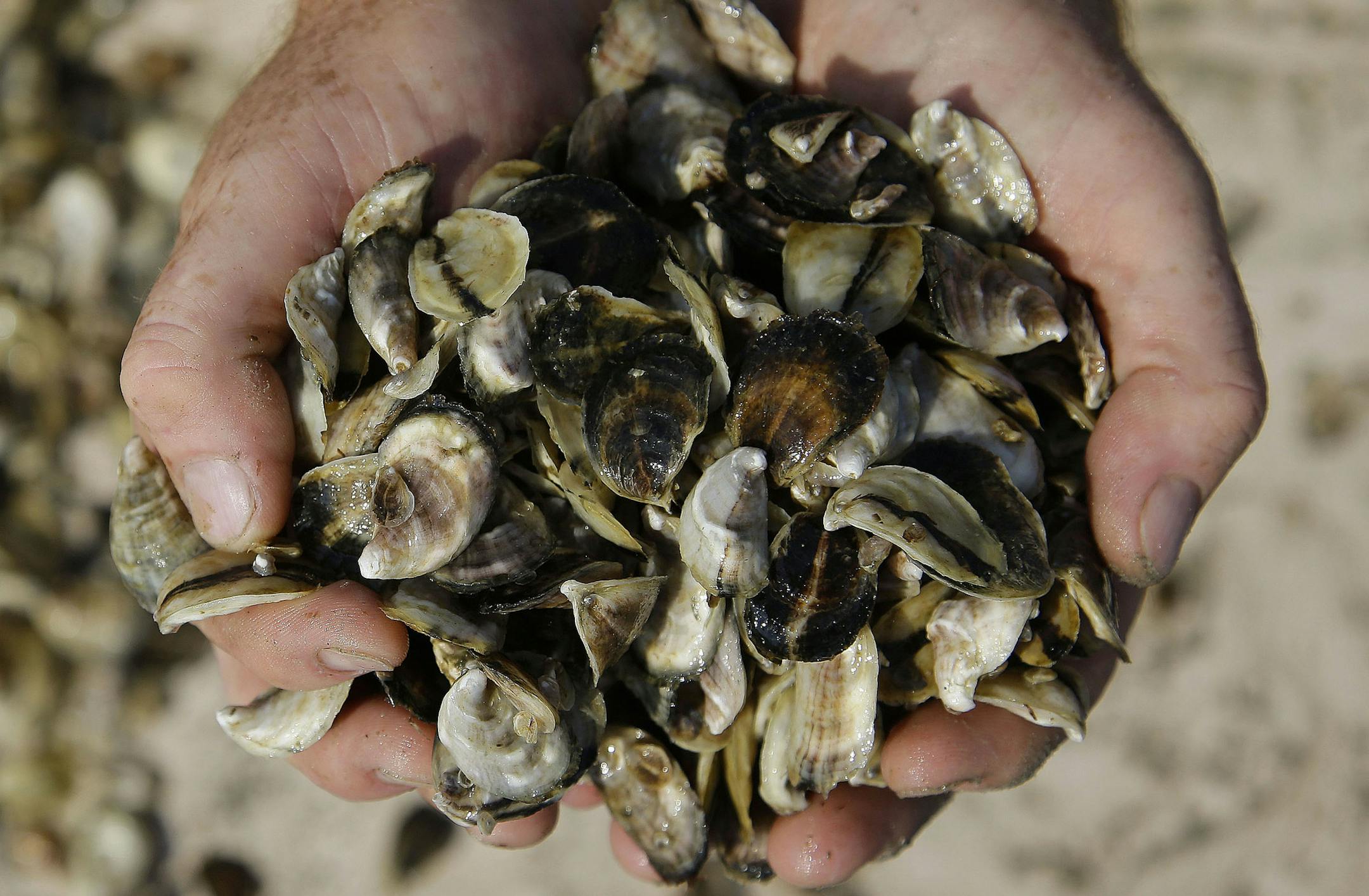
FILE - In this Monday, Sept. 12, 2013 file photo, an oyster cultivator holds oyster seed before spreading it into the waters of Duxbury Bay in Duxbury, Mass. A Thursday, April 17, 2014 report from the Centers of Disease Control says there was in increase in infections from vibrio bacteria found in raw shellfish. In 2013, cases were up 32 percent from the previous three years and 75 percent from about five years ago. But the numbers remain very small - only 242 of the 20,000 foodborne illnesses r
FILE - In this Monday, Sept. 12, 2013, file photo, an oyster cultivator holds oyster seed before spreading it into the waters of Duxbury Bay in Duxbury, Mass. Minneapolis health inspectors are seeing a rise in foodborne illnesses linked to Vibrio bacteria found in oysters due to higher concentrations of the bacteria in some oyster beds during the summer. (The Minnesota Star Tribune)

City health inspectors in Minneapolis are investigating a summer increase in foodborne illnesses related to norovirus and Vibrio, a bacteria found in raw oysters.

The increases were highlighted in the city's "food establishment" newsletter, released Thursday.

"The reason for the spike in norovirus outbreaks is not known," the advisory stated. "The Vibrio outbreaks are due to higher concentrations of bacteria in some oyster beds during the summer."

Cases of norovirus, a highly contagious bug that causes severe vomiting and diarrhea, are not required to be reported to the Minnesota Department of Health, but the state agency has received reports of a slight uptick that is unusual for this time of year. However, the number of cases appears nowhere near the numbers seen in peak norovirus season in the winter months, said department spokesman Doug Schultz.

"In England they call it the winter vomiting disease," he said.

Minneapolis health officials reminded restaurant owners and workers to observe proper hand-washing and food preparation protocols, the primary ways to prevent norovirus infections.

Vibrio cases are more common at this time of year, because summer heat increases the temperatures of oyster beds, allowing the waterborne bacteria to persist in oysters that are then eaten raw.

Jeremy Olson • 612-673-7744

about the writer

about the writer

Jeremy Olson

Reporter

Jeremy Olson is a Pulitzer Prize-winning reporter covering health care for the Star Tribune. Trained in investigative and computer-assisted reporting, Olson has covered politics, social services, and family issues.

See Moreicon