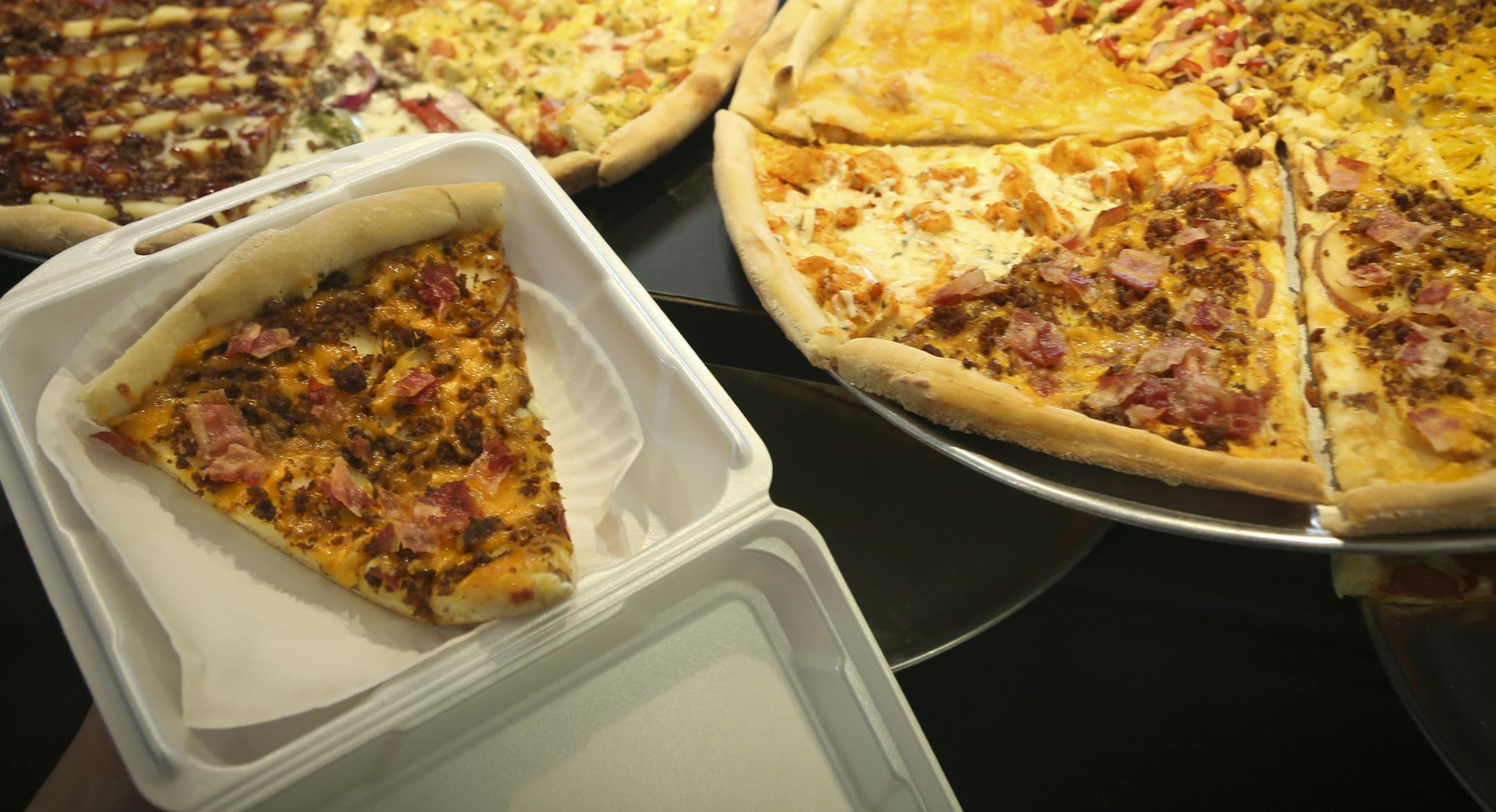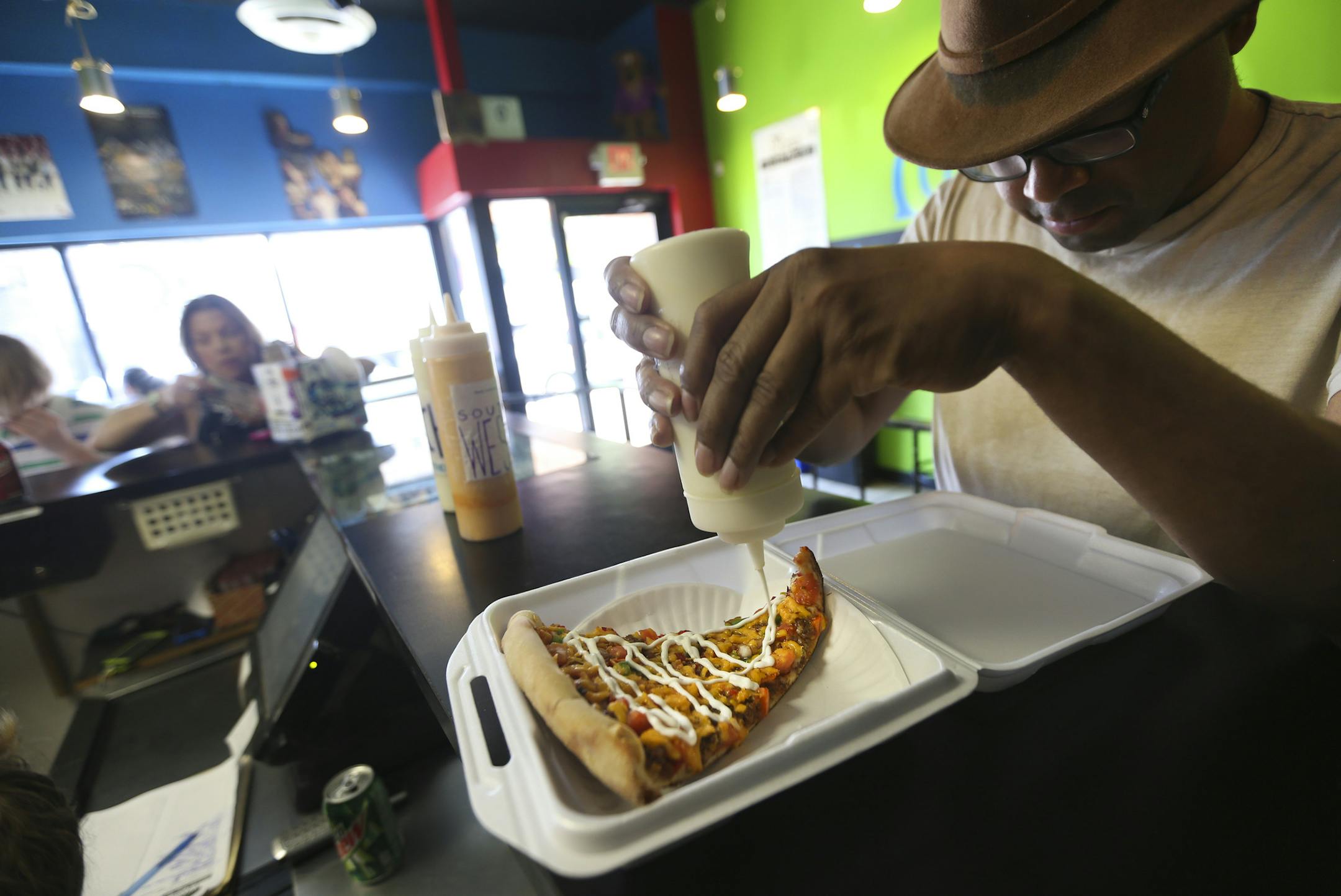
Foam containers in restaurants are going the way of incandescent light bulbs: They can still be found, but their once ubiquitous presence is quickly fading.
Many Twin Cities eateries have chucked the white stuff in favor of newer, eco-friendly products. So as the city of Minneapolis joins dozens of U.S. cities in renewing its ban on polystyrene foam, often called Styrofoam, a lot of restaurant owners and managers say they are already prepared or are looking into greener options to meet next year's deadline.
"I have not had a call from any restaurant saying, 'We can't do it,' " said Dan McElroy, executive vice president of the Minnesota Restaurant Association. "Not all restaurants have prepared for the changes, but we have enough time."
The ordinance, part of a goal to be a zero-waste city, will go into effect in April 2015 and is a revision to a 25-year-old rule banning difficult-to-recycle materials. The guidelines mandate that restaurants, food trucks, grocery stores and event vendors only offer food in products that are easily recyclable, compostable or reusable.
The Brothers Deli in the downtown skyway saw the change coming and wanted to be greener, so it recently switched to baskets with tissue for dine-in orders. But owner Jeff Burstein isn't quite sure what he will use to replace the 1,000 polystyrene takeout containers the deli uses in a week, and predicts he may have to raise prices 25 cents per entree to offer other options.
"The alternatives are triple the cost of Styrofoam," he said, adding that despite its economic advantages, foam "isn't very appealing."
Coping with cost
Restaurants complain of a number of drawbacks to polystyrene foam, including that it doesn't prevent spills and usually doesn't vent well, leaving food soggy. And environmentalists have assailed it for years because it is not easily biodegradable.
On the other hand, proponents note that it's a good insulator and is a cheaper way to go for mom-and-pop shops.