

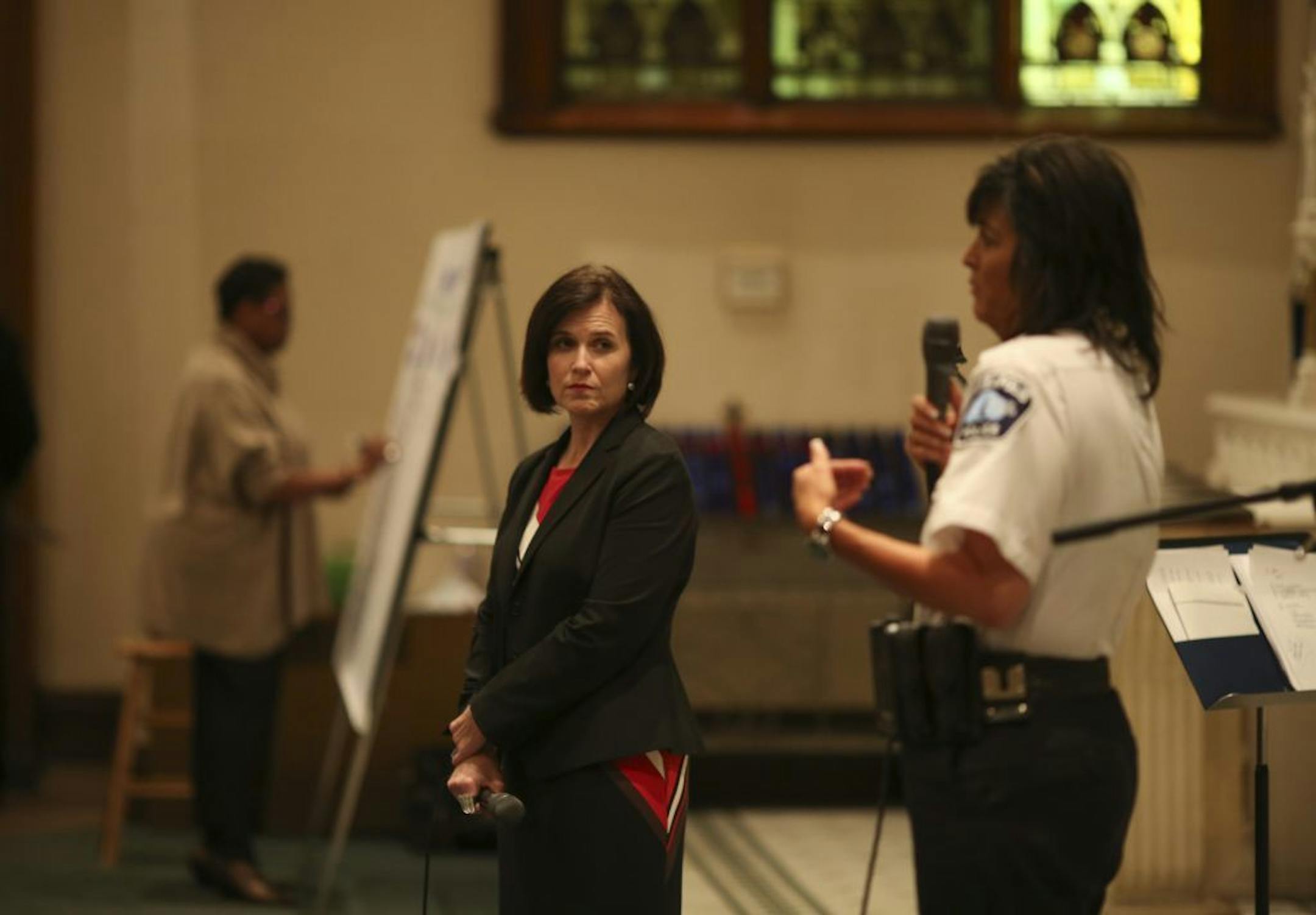
Minneapolis officials are embarking on a massive effort to land federal help for some of the city's poorest neighborhoods, making a high-stakes commitment to create major change in struggling areas of the city.
"We're not going to spend all our time talking about what's wrong," Minneapolis Mayor Betsy Hodges told a crowd last month. "We're going to spend our time talking about what's right, and what our strengths are and how we're going to use those together to move ourselves forward."
The new mayor is wagering a lot of political capital on the Promise Zone application being submitted Friday, as she tries to ignite an economic renaissance in the city's North Side. But the plan is already facing significant criticism from deeply skeptical council members and community leaders. They worry the Promise Zone is just the latest in the long list of initiatives and collaborations that have either failed to deliver or are already doing similar work.
"Too many times … promises have been made where outcomes have not changed," Council Member Lisa Goodman said recently. "This isn't about not wanting to do something. It's about becoming frustrated with not having [a] change in outcomes."
The city's more than 150-page application includes a list of goals and lengthy descriptions about the organizations and efforts that are linked to the Promise Zone. The goals are big: reduce racial inequalities, reduce serious and violent crime, improve educational opportunities, among others. Some of the strategies are specific, like expanding existing violence prevention and job training programs to a wider range of age groups or to more young people. Others are a bit more tough to translate: "Support and expand creative place-making in the Minneapolis Promise Zone to augment community identity and voice."
The total financial investment of Minneapolis participants is still unclear.
A draft application provided by the mayor's office shows the city expects to spend $250,000 next year — and between $1.5 million and $2 million over the next five years — to fund a new Office of Equitable Outcomes within the city coordinator's office. The two new staff members who will account for much of those costs will have other tasks related to equity but will also be charged with handling Promise Zone coordination duties.
Other communities that have received the designation have used it to help get grants. Los Angeles, for example, says it has leveraged $36 million in federal help because of its Promise Zone status. San Antonio has received more than $27 million.


