Opinion editor’s note: Strib Voices publishes a mix of commentary online and in print each day. To contribute, click here.
•••
In the study of mental health, shared reality reduces uncertainty and creates a sense of belonging. It is the foundation of community, and sanity.
So what happens when our state divides over creed with the passion of a thousand saints? What happens when a federal agent kills a mother in her car and we can’t even agree on what the video shows?
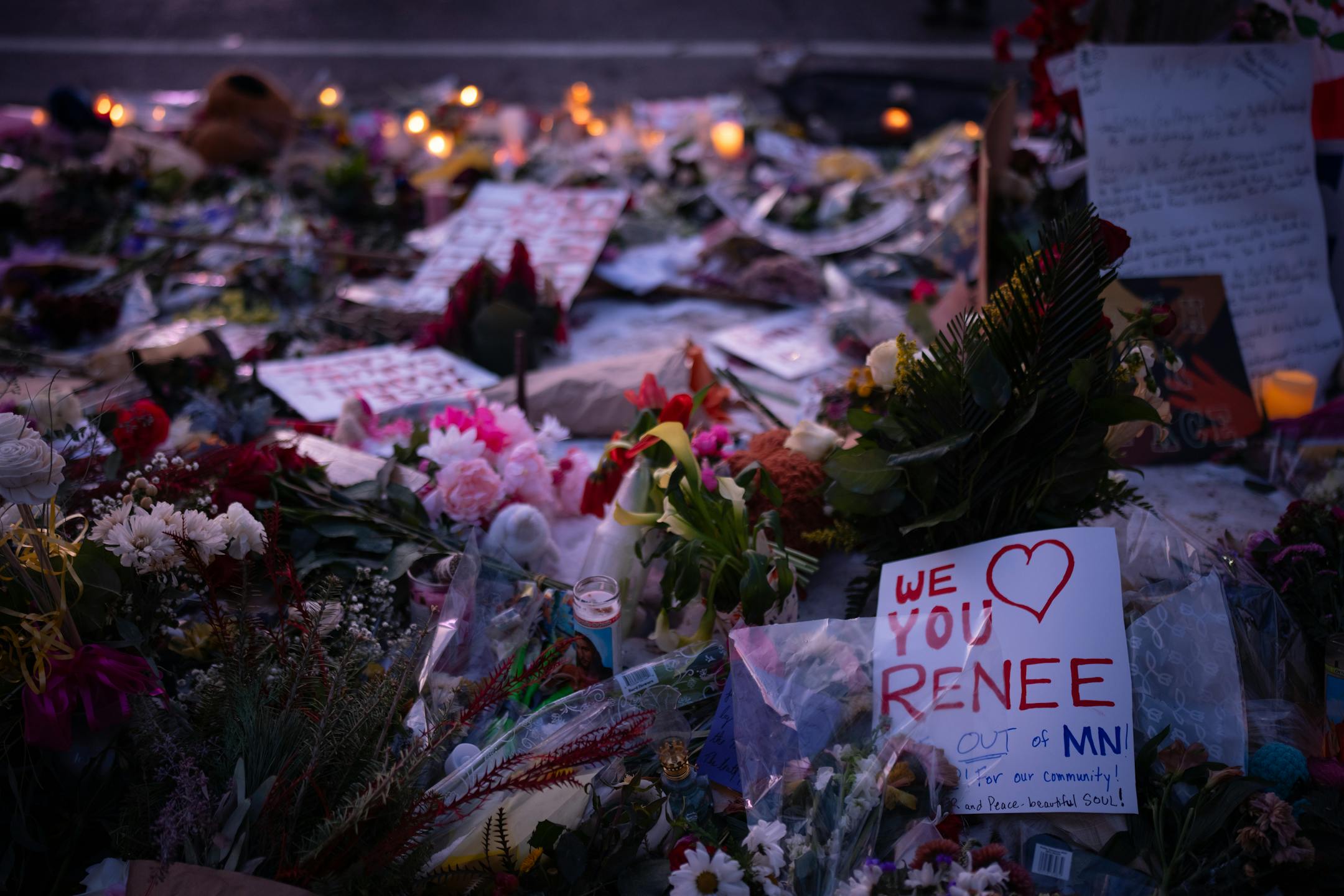
That’s the chilling moment an entire state finds itself being forced to navigate, a breathtaking submersion into uncertainty, confusion and anger even as the number of ICE agents within our borders swells to unprecedented and astonishing levels. The video recording of Renee Good’s death at the hand of a federal agent wasn’t a choreographed snuff film but a sudden, violent encounter on a Minneapolis street that instantly led to snap judgments of the guilt or innocence of the deceased.
This is why the current moment in Minnesota feels so disturbing and maddening. This is all moving so quickly. From metro to meadow, we watch as the U.S. government fans out across Minnesota, hunting for people and eliciting mass protests. And yet, many cannot find a common reality to name our fear. We must, however, and we will. I know this because we’ve confronted the discomfort of immigration before.
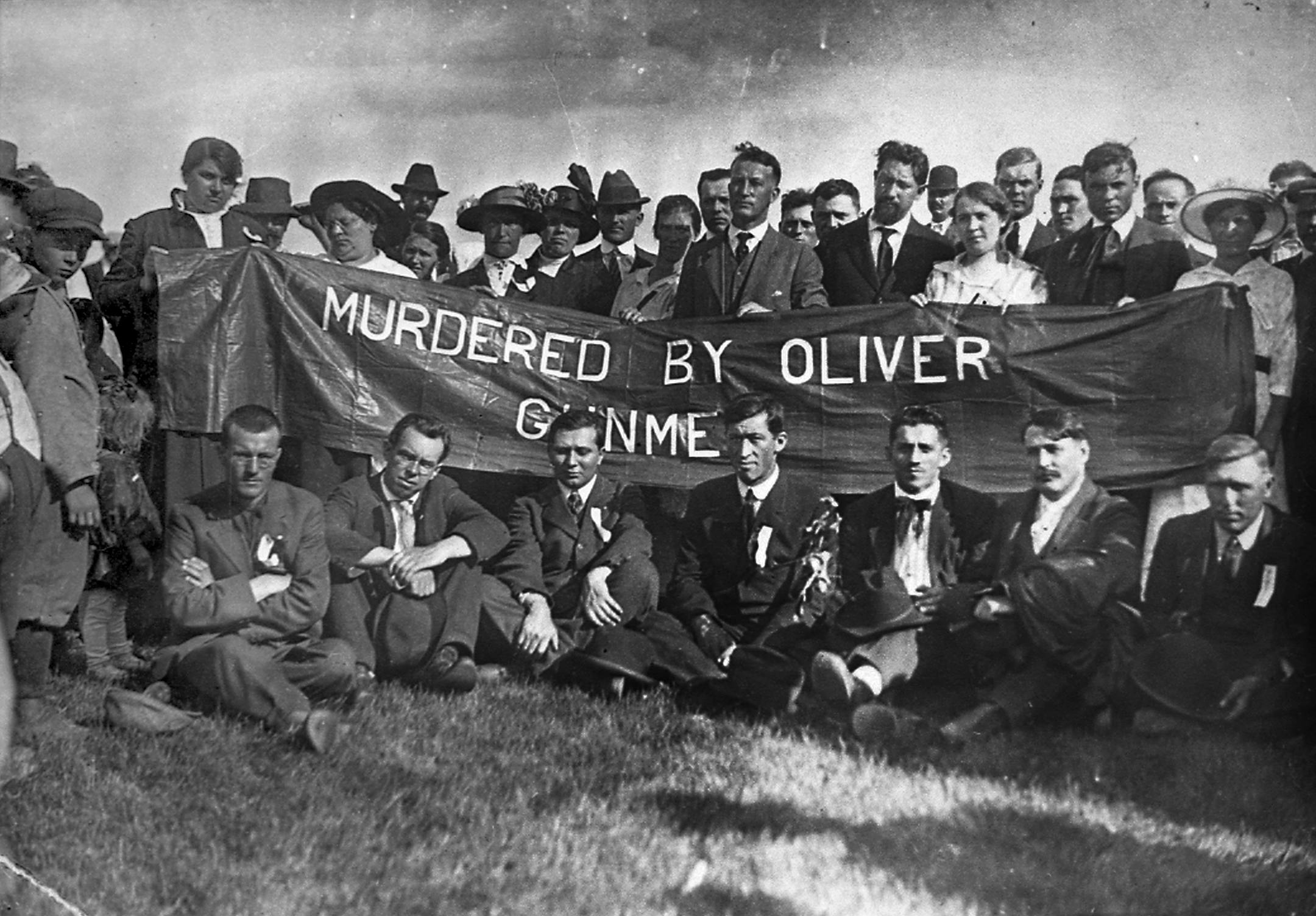
In 1916, an enormous labor strike on the Mesabi Iron Range created two realities, each firmly believed in by two sides for years to follow. As many as 10,000 mostly immigrant miners picketed against U.S. Steel, the largest corporation in the world.
Companies broke earlier strikes simply by recruiting more immigrants from southern Europe, places like Italy, Slovenia and Croatia. But these new immigrants soon learned why previous workers had gone on strike. They were paid not by the hour but by how much ore they mined. They had to buy their own tools, even their helmets and the small candles that kept them from falling down dark shafts to their deaths. An Italian named Joe Greeni threw down his pick and started what became the biggest iron mining strike in Minnesota history.