A majority of the crowd that turned out for Thursday's public hearing on whether Minneapolis should form its own utility appeared to oppose the idea, raising questions about how the city could afford it and acquire the expertise for such a complicated project.
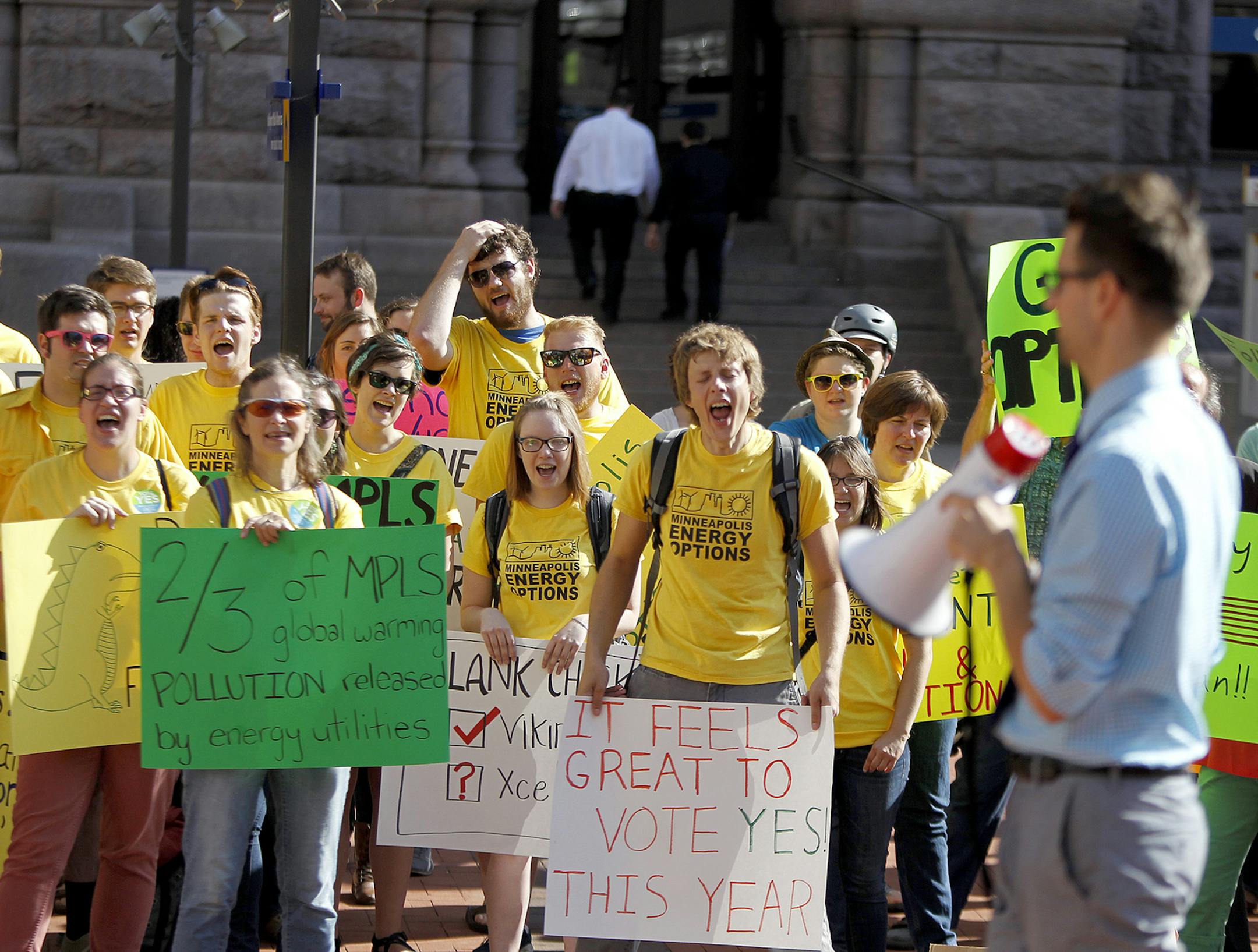
Supporters described the upcoming expiration of franchise agreements with Xcel Energy and CenterPoint Energy as a key opportunity to push for cleaner, more reliable energy and hold the utility companies accountable, stressing that it is a debate the city needs to have.
"I'm here today not because I think Xcel or CenterPoint or whoever is doing a terrible job, I'm saying we need to do better," said Emma Wright of the environmental coalition Minneapolis Energy Options.
And after suggesting last week that Xcel would not keep its headquarters in Minneapolis if the city took over distribution of electric service, Xcel CEO Ben Fowke said Thursday he doubts Minneapolis will make the switch.
"We have been a partner for 100 years," he told investment analysts in a conference call. "I suspect we'll be a partner in Minneapolis for another 100 years."
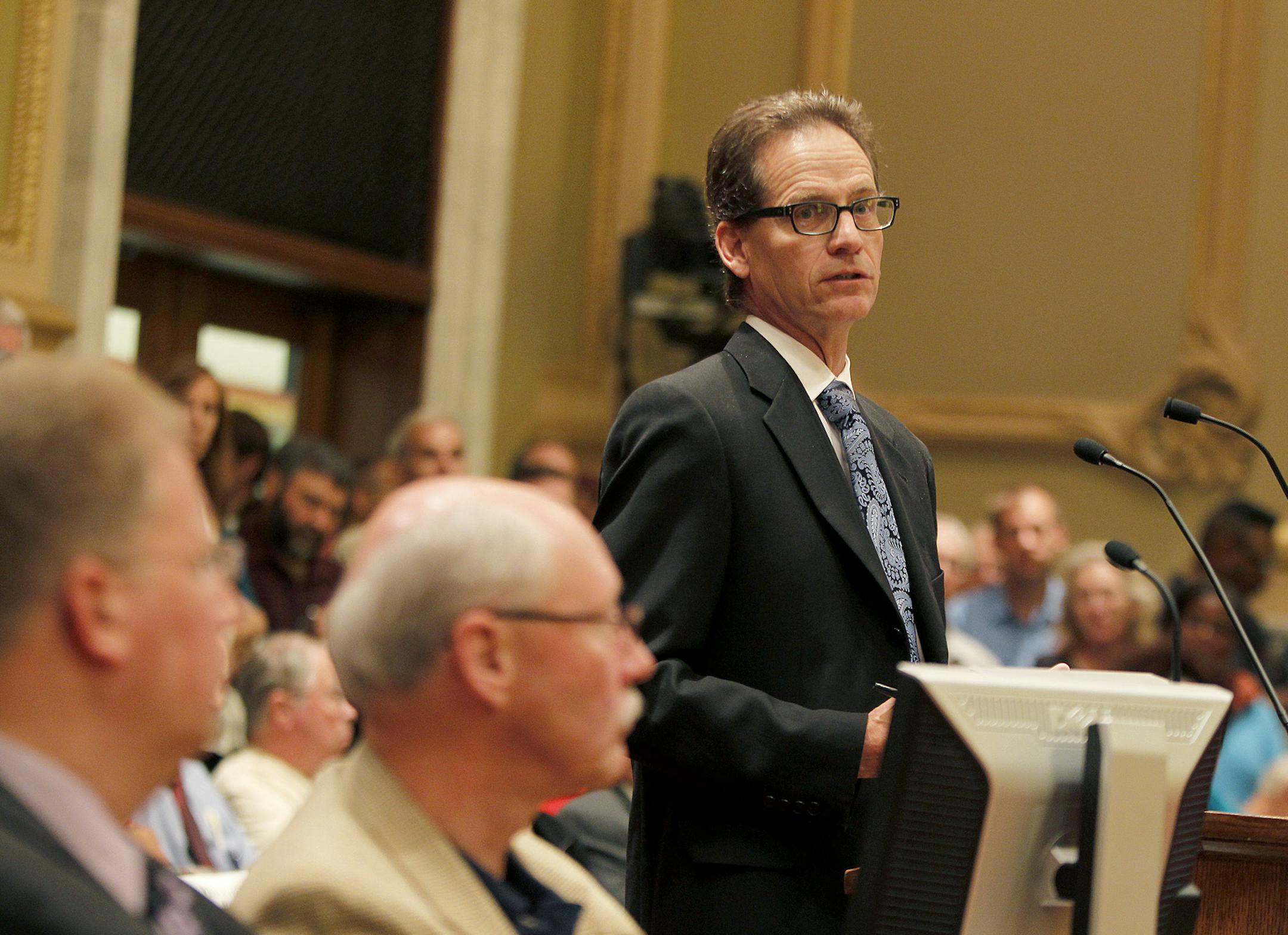
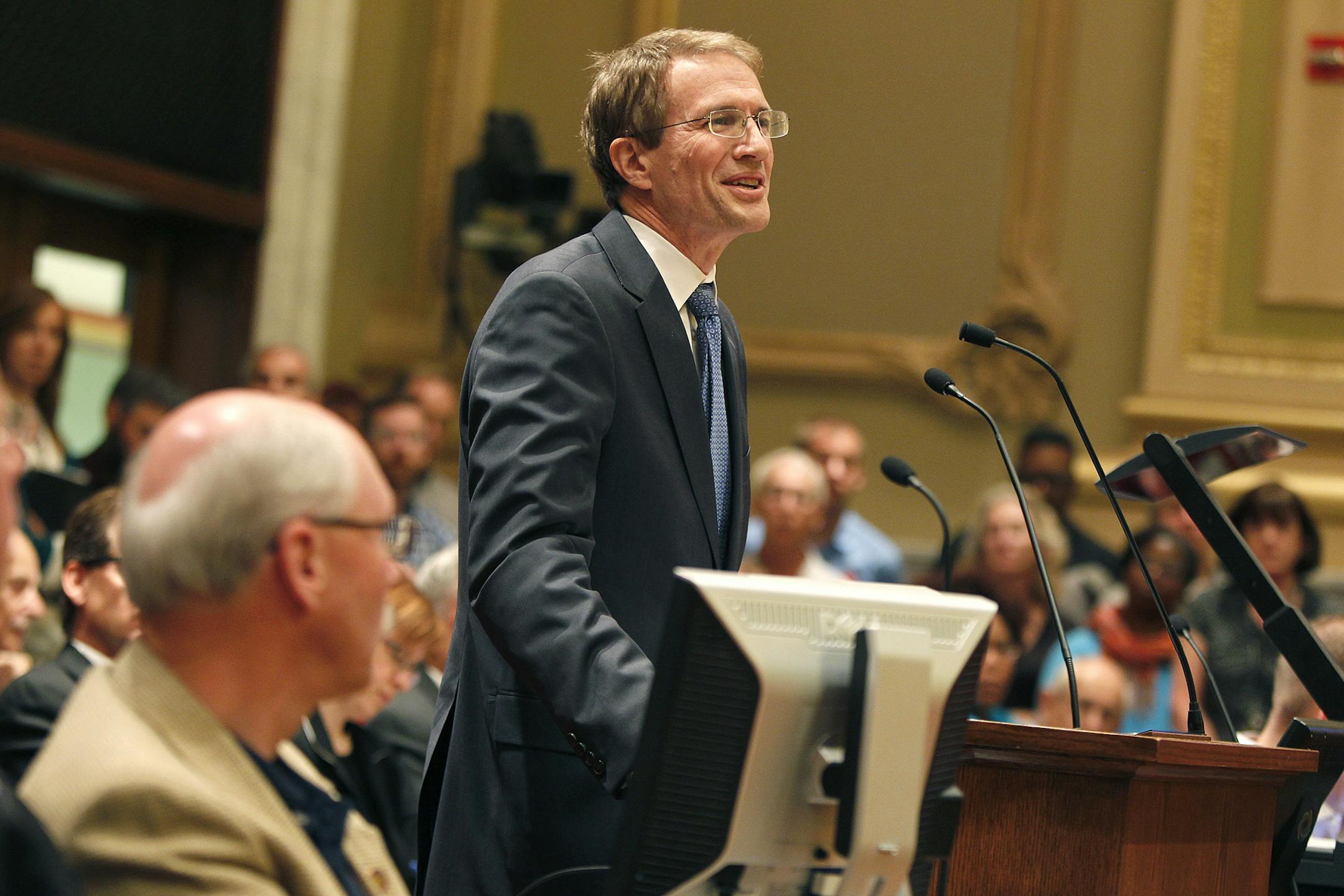
Thursday's public hearing about whether Minneapolis should jettison those companies in favor of creating its own utility attracted opinions from energy executives, small businessmen, environmental activists, and ordinary citizens during 3½ hours in the City Council chambers.
The Committee of the Whole, which heard Thursday's comments, will decide Aug. 15 on whether to add the question to the November ballot. Such a referendum would give voters a chance to authorize Minneapolis to create its own utility but would not bind city officials if they ultimately chose another alternative.
The focus of the discussion was mostly on Xcel. CenterPoint recently reached an understanding with Minneapolis Energy Options, which had pushed for the city to consider possibilities beyond simply renewing the franchise agreements to collaborate on energy goals.