

A Minnesota health care technology company is tackling a costly problem that isn't gaining as much attention as skyrocketing consumer prescription prices — the problem of periodic drug shortages at hospitals.
Hospitals bemoan that their inpatient drug spending is inflated by 1 to 5 percent because of episodic shortages that drive up prices for medications and solutions. Even a small percentage can mean millions of dollars in waste.
Minneapolis-based LogicStream Health responded with the Drug Shortage App, which analyzes drug inventories of hospitals nationwide to predict when shortages are likely, and advises hospitals when to shore up their supplies.
Shortages in recent years have ranged from medications to control heart rate to liquids that reconstitute drugs from powder to intravenous forms, said Patrick Yoder, co-founder and chief executive of LogicStream. "If you don't have them, it's a real big problem."
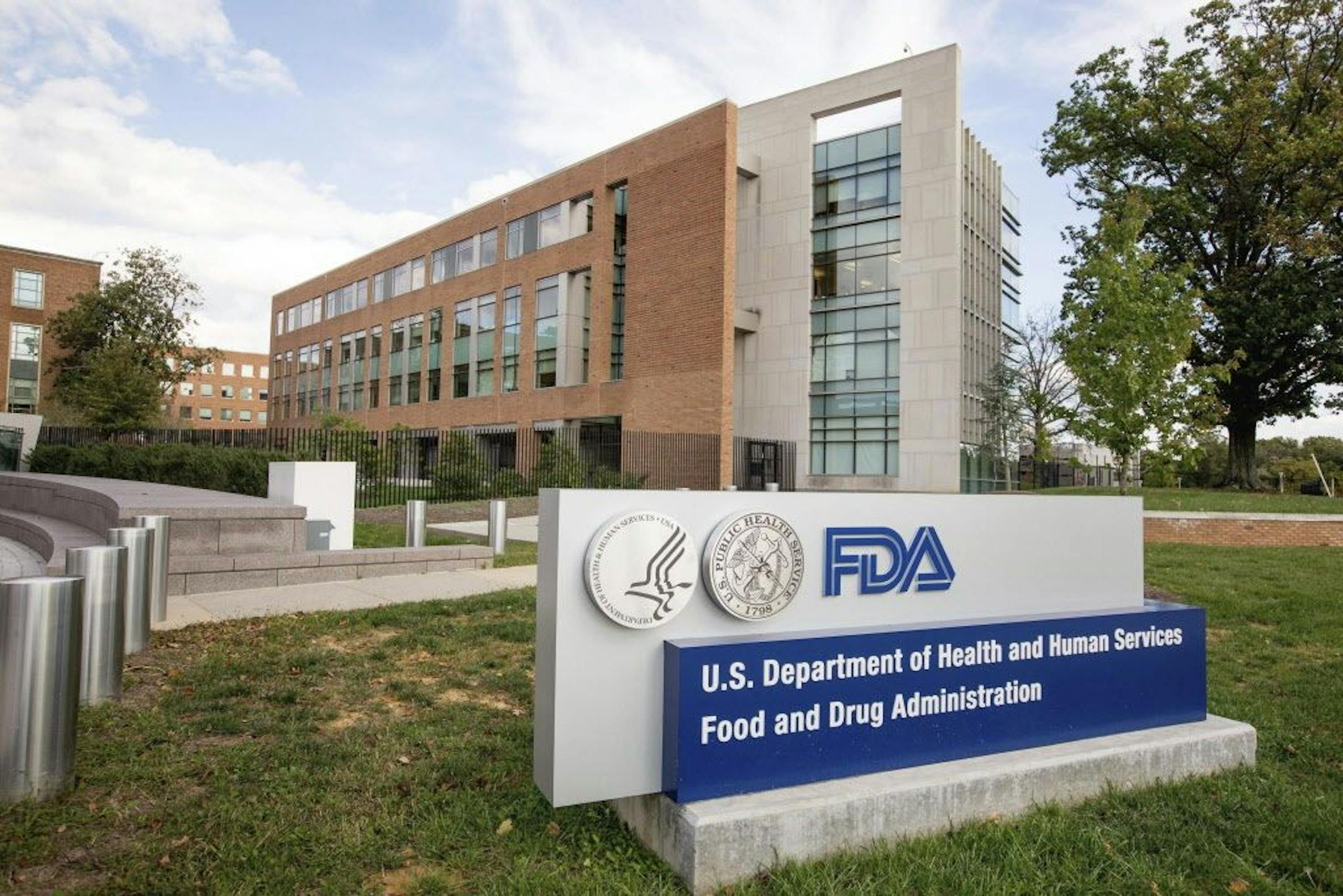
The U.S. Food and Drug Administration maintains a list of drugs in short supply, but the goal of the app, unveiled in November, is to provide faster and earlier guidance. Yoder said a critical function of the app is to assess drugs that hospitals actually use, so they don't just buy in a panic.
"We don't want them to just go buy it because of a shortage when they use almost none of it," Yoder said.
Shortages often occur when quality problems are identified by FDA inspectors that force manufacturing plants to shut down. Natural disasters play a role as well; the hurricane in Puerto Rico last year forced the closure of plants that make sterile liquids for U.S. hospitals.
Yoder used to be a clinical pharmacist for the Hennepin Health system. He recalled drug shortages that compelled him to take supplies from surgery or other departments to divert to patients in intensive care or other units.


