

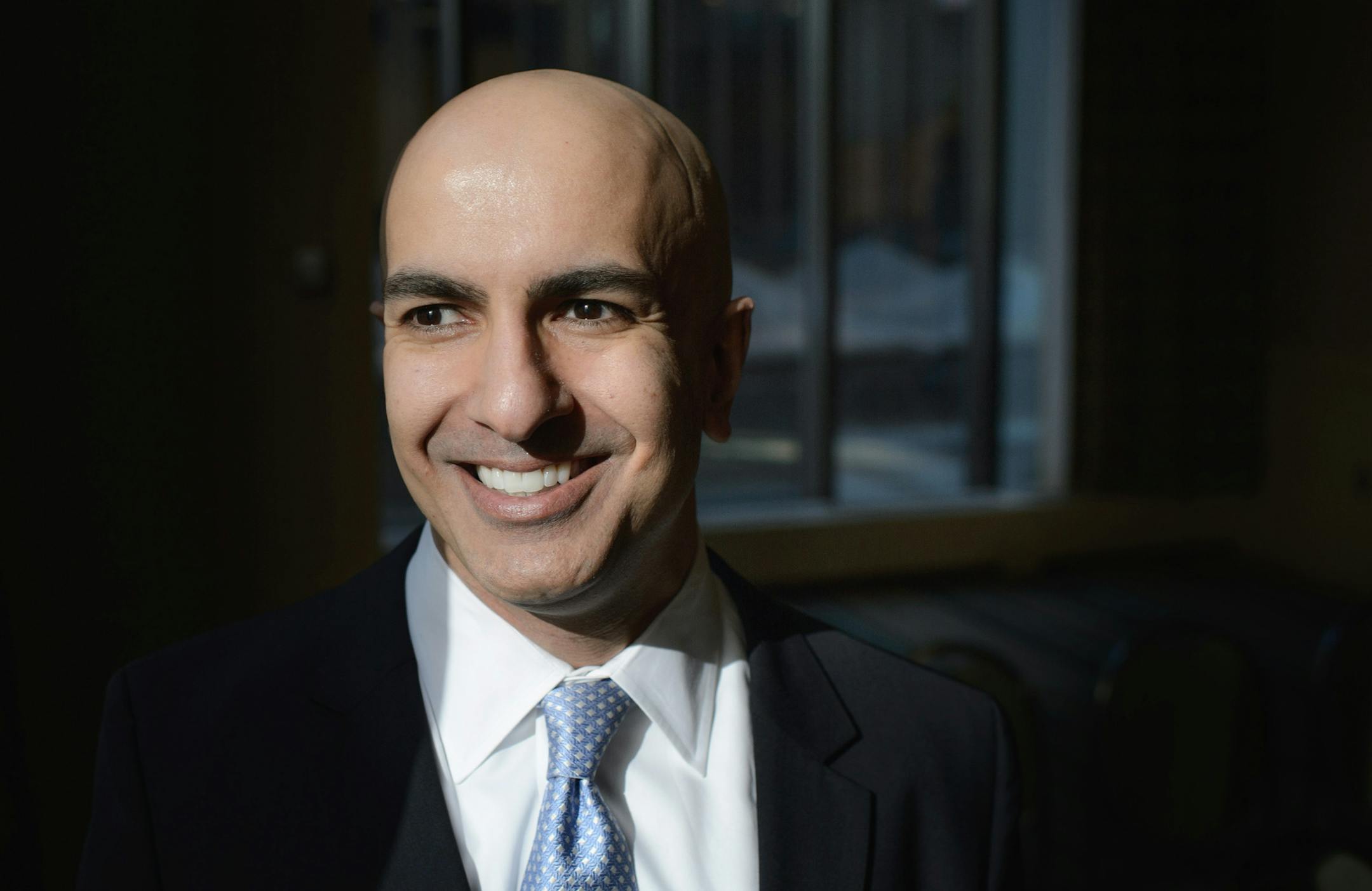
Neel Kashkari on Wednesday launched an effort at the Federal Reserve Bank of Minneapolis to tackle racial and economic disparities, a problem that's worse in Minnesota than four out of five states and is a top talking point at Minneapolis City Hall and the State Capitol.
Despite the persistent economic vitality of the state, the difference in median income between whites and blacks is $30,000, ranking Minnesota 41st in the nation, Kashkari told an audience at the Minneapolis Urban League. Minnesota ranks 40th in that same gap for unemployment, 40th for student test scores and 42nd for differences in high school graduation rates.
"We aren't going to find a silver bullet in six months or a year, but we need to ramp up our efforts," Kashkari said.
Kashkari is bending the role of a regional Federal Reserve president to new ends. He took a position usually devoted to bank regulation and interest rate policy, and last year oversaw a push to recommend changes aimed at ending the phenomenon of too big to fail banks and making the financial system safer.
This year the priority is an Opportunity and Inclusive Growth Institute. It's conceived as a long-term fixture with the full support of the Federal Reserve System.
Fed Chairwoman Janet Yellen, in a statement, called it "an important research initiative focusing on some of the most pressing economic issues we face as a nation," and said, "I hope that scholars inside and outside the Federal Reserve System will contribute to this important work."
Kashkari uses a broad interpretation of the Fed's dual mandate — keeping inflation under control and achieving maximum employment — to build a rationale for the initiative.
"If we have an economy that includes all our people, it's just easier for us to achieve our mandate, which is a growing economy and maximum employment, and all of society would be better off," he said Wednesday. "I wouldn't be doing my job if I wasn't trying to drive this kind of change and make people focus on these issues."


