

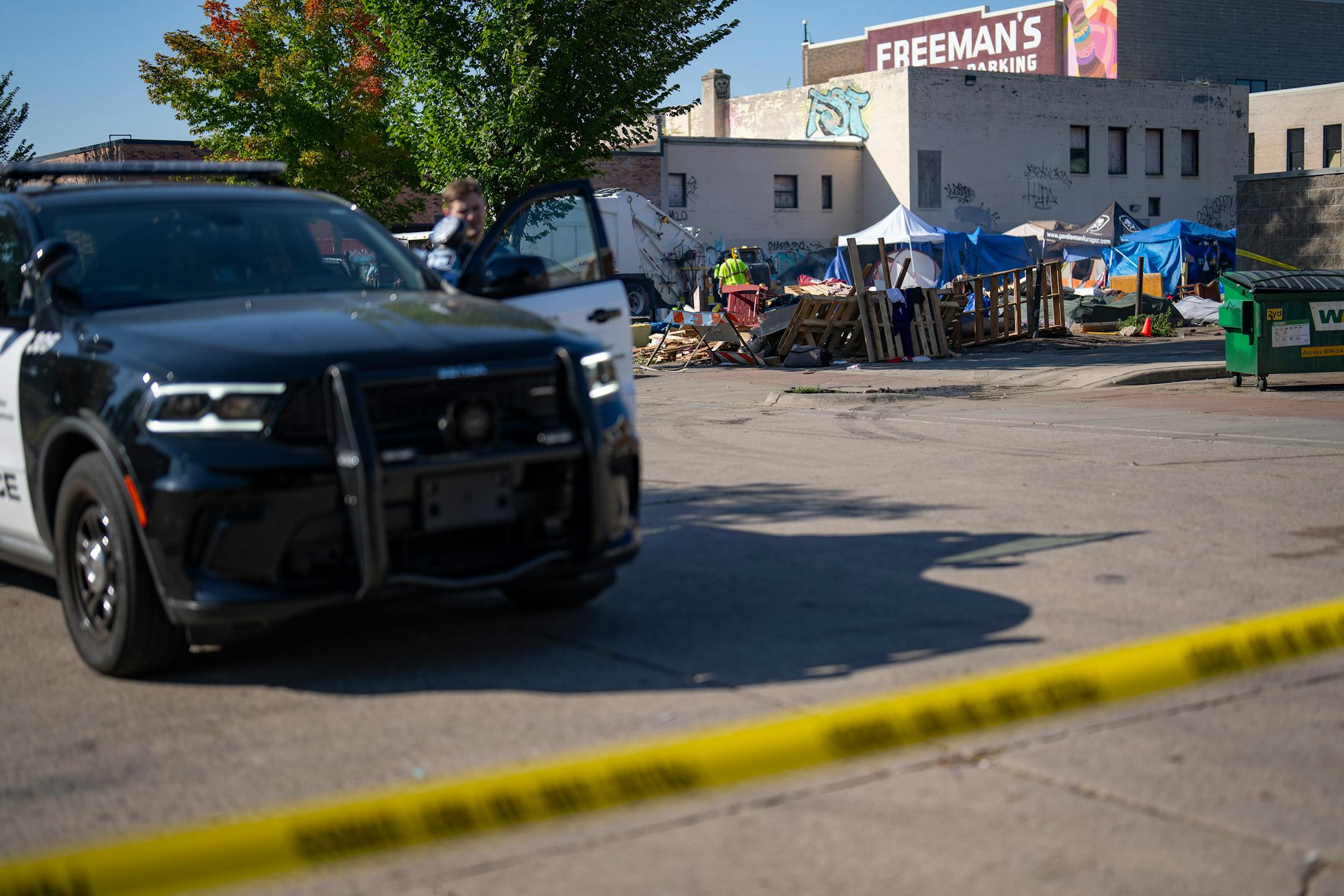
Despite seven mass shootings this year — four since August, including at Annunciation Church, and three others on or near a troubled stretch of Lake Street — Minneapolis remains on track to see a fall in all categories of major crime this year.
The disconnect between the overall data and recent events is reflected in perceptions about safety among some residents of the state’s largest city.
“I don’t believe there has been an improvement,” Larry Naber, 84, told the Minnesota Star Tribune from his porch a block away from Folwell Park on the North Side. He said the sound of gunfire at night and open-air drug dealing erodes any confidence in the positive trends. “We still hear gunshots every week.”
The city has recorded about 50 fewer shootings, nine fewer homicides and a third fewer carjackings and other robberies compared to last year. Stolen vehicles, at record highs in 2023, have fallen by a quarter.
Some crime metrics are even below pre-pandemic levels, with about 18% fewer robberies and 28% fewer burglaries compared to the first nine months of 2019. And despite this year’s mass shootings, the tally of gunshot victims has dropped closer to the city’s pre-pandemic volume.
Shootings are down in most neighborhoods, including a collective 33% drop that has driven the North Side toward record lows.
Folwell and some other neighborhoods like Jordan have seen significant reductions in gun violence. Those two combined for 16 shootings so far this year, compared to nearly 40 last year through September.
Other Folwell residents interviewed said they’ve seen improvement in the last year. Augustus Young, 38, bought a house in 2020 where he lives with his wife and kids. He said it’s become “calm and quiet” since they moved in.


