

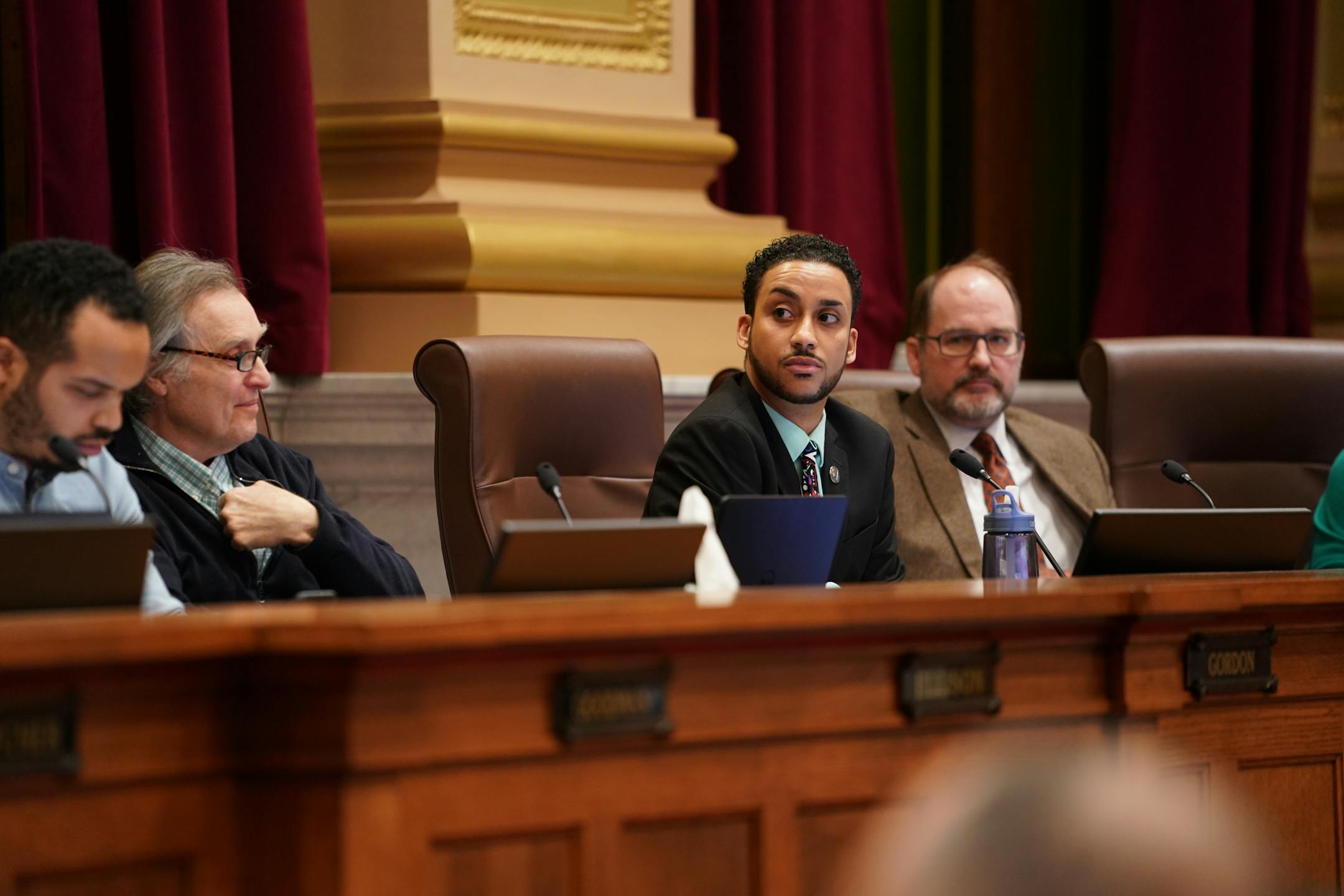
A Minneapolis City Council committee voted Monday to revise a controversial proposal to change how the city's 70 neighborhood organizations operate.
Neighborhood leaders worried about increase governmental control and potential funding cuts had criticized the plan, which has been years in the making and was released earlier this year. The vote followed a lengthy public hearing dominated by residents who criticized the plan as a threat to the groups' survival and a missed opportunity to support their work.
The city now plans to bring in the Center for Urban and Regional Affairs at the University of Minnesota to revise Neighborhoods 2020, an initiative to restructure the organizations once their current source of municipal funding dries up next year. The full City Council is expected to vote on the collaboration next week.
"We have a good framework but there's still more work to do," said Council Member Phillipe Cunningham, the chair of the engagement committee that held Monday's hearing. "We're ... building on it in a different way and making sure we're addressing some gaps."
Cunningham said he made the push to partner with the center, known as CURA, after hearing the concerns of neighborhood organizations in his ward in north Minneapolis.
In order for neighborhood organizations to have the same amount of funding in the future, the city would have to set a 7.5% increase in the property tax levy, Cunningham said. Delaying approval of the framework, he continued, allows the city to research where the group's long-term funding will come from.
Members of neighborhood associations who packed the council chambers, a majority of whom had urged the council to reject the current plan, rejoiced after the vote. Most spoke in favor of delaying approval of the plan, saying it was too bureaucratic and diminished the grassroots power of their organizations.
"This doesn't have vision. This is what a regulatory agency would give," said Becky Timm, executive director of the Nokomis East Neighborhood Association. "We have this many [public] comments, but where are those voices here?"


