

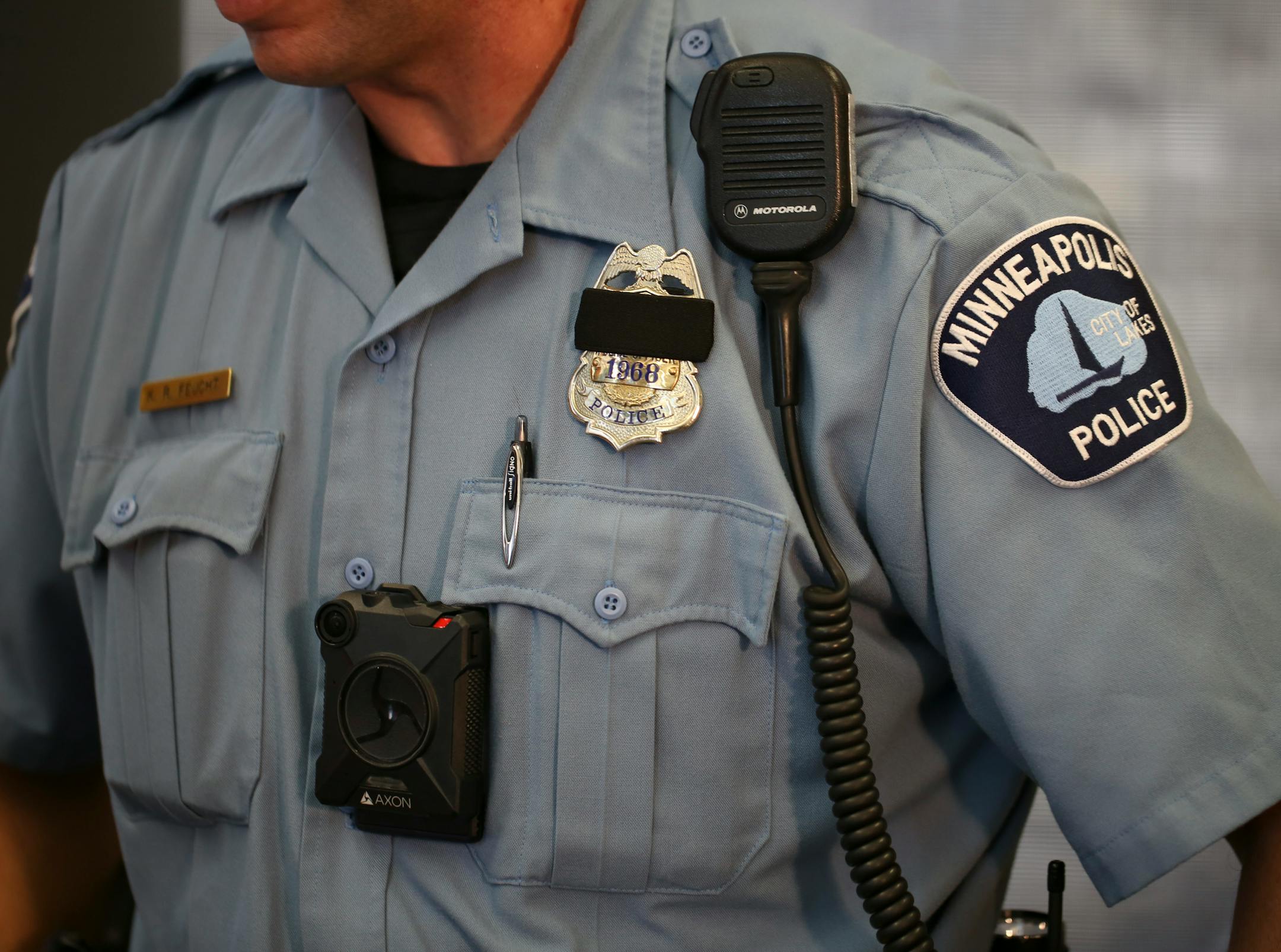
Weeks into their new terms, Minneapolis City Council members are starting to wrestle with the issue that defined their campaigns: What should happen to the city's Police Department following George Floyd's murder.
A Public Health and Safety Committee meeting Wednesday provided the first glimpses into how the council — which includes seven new members — might approach the task of changing policing in the city. Their conversation unfolded hours after a Minneapolis police officer killed a man while serving a warrant, and Council Member Robin Wonsley Worlobah noted that made their discussion "very timely."
"There is so much tension right now," she said, "and also such a massive opening in our city for us to figure out how we create meaningful changes."
During the nearly two-and-a-half-hour long meeting, council members peppered researchers with questions about how to interpret a new report urging them to reconsider which calls require a response from officers. Their tone remained cordial and their inquiries highly technical, a departure from the tense public fights that sometimes garnered headlines for the previous, deeply divided council.
The report by consultant CNA had been anticipated as crucial to determining the department's future, but left many of the key decisions up to the city's elected officials. Still, council members on the committee said they welcomed the extra data it provided.
Council Member Jeremiah Ellison said the study provided "the kind of information that any governing body is going to need as we're contemplating and debating policy decisions into the future."
The report recommended that officials evaluate their policies for using two- vs. one-person patrols, reconsider staffing at the precinct level and further study the feasibility of assigning certain nonviolent emergencies to civilian workers — which could free up between 73 and 106 officers.
Many of the committee members asked questions about how to interpret a section that said the department's patrol division — which focuses on responding to 911 calls — could be "appropriately staffed or substantially understaffed" depending on how officials want officers to spend their time. Those metrics, researchers said, hinge on how much time the city wants officers to spend responding to 911 calls vs. other "discretionary" tasks, a wide category that includes things like community work, writing reports and other tasks that officers initiate on their own.


