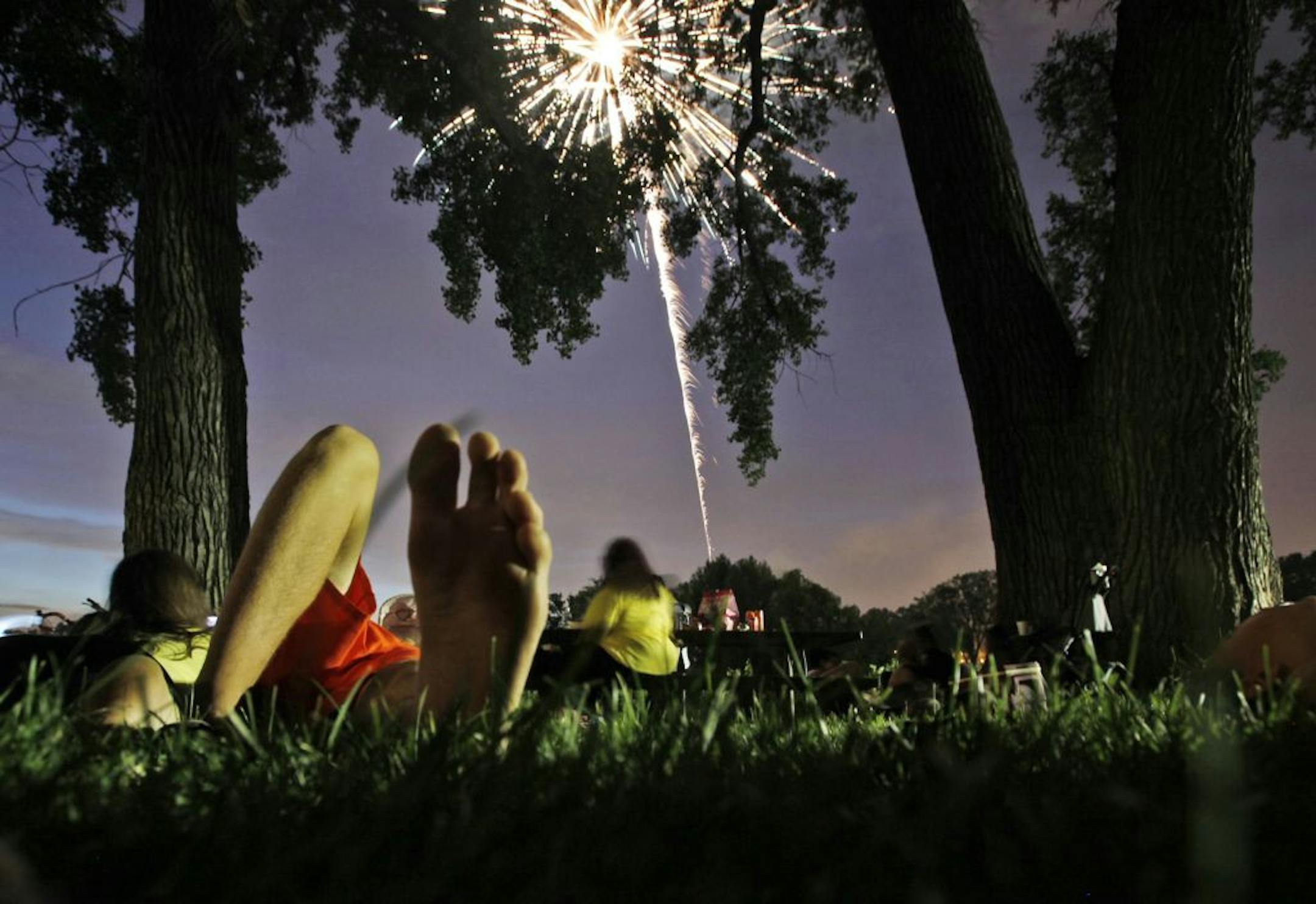
Farview, Powderhorn and Loring parks were keystones in a remarkable plan for the Minneapolis park system.
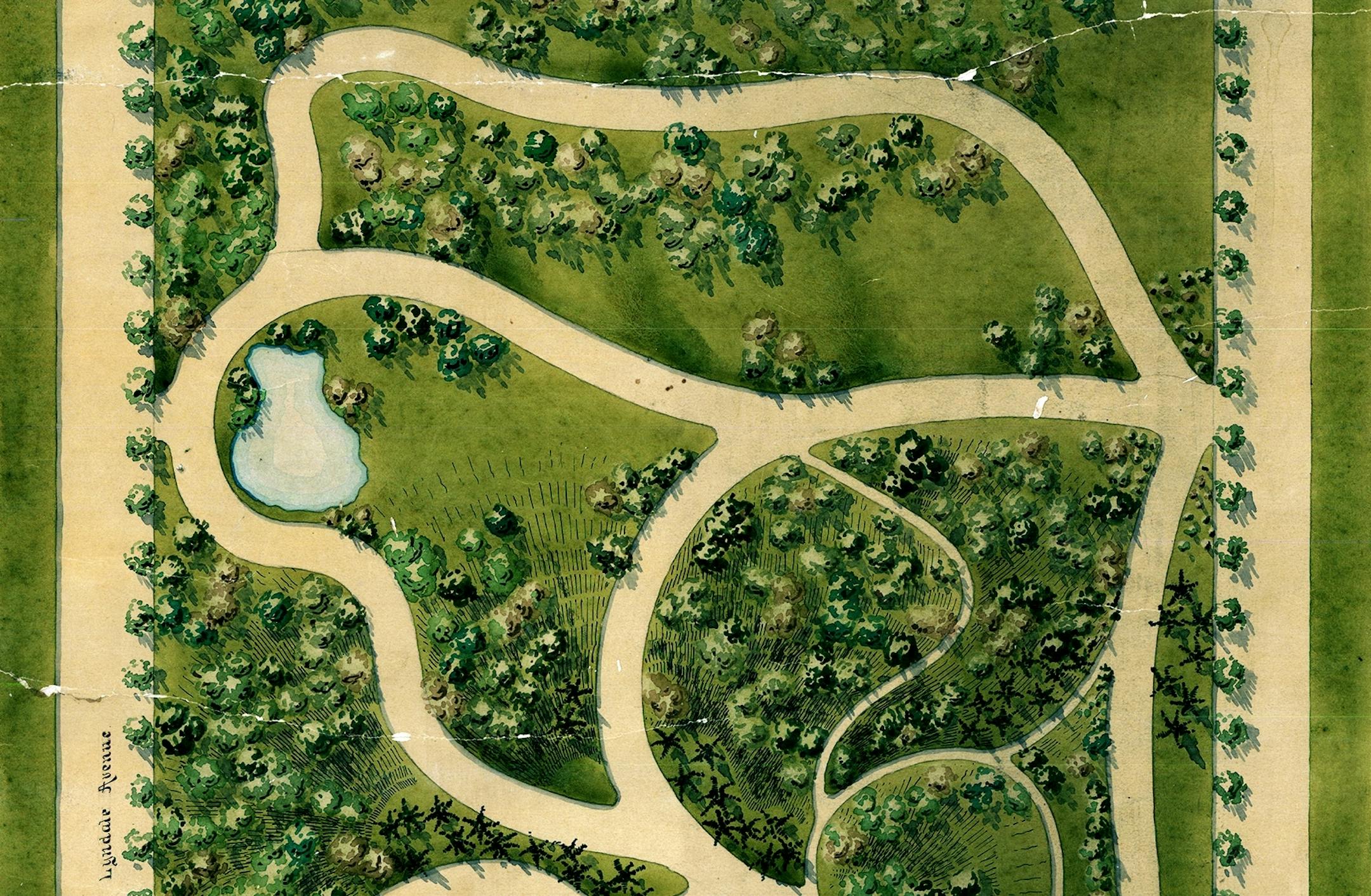
In 1883, landscape architect H.W.S Cleveland designed these three Minneapolis parks in his master plan. He also he designed parkways to connect the parks, which were then on the outskirts of the city. The names of those parkways will undoubtedly surprise you: Lake Street, Lyndale Avenue, Hennepin Avenue, and 26th Avenue N.
Farview, which Cleveland located on one of the city's highest points, formed the northwest corner of his park system, at the junction of 26th and Lyndale avenues N. The park was worthy of its moniker: Farview's vistas of downtown and the riverfront are still spectacular today.
Because it was then a remote location, and had hilly terrain, the Minneapolis Park Board was able buy the 21 acres for Farview at one-third of the cost per acre of the land for Central Park (later called Loring Park), which Cleveland also designed.
Finding lower-cost land was a smart strategy for building a citywide park system. As park historian David C. Smith noted, " … Cleveland often said that some of the most desirable land for parks — hills, ravines and riverbanks — were often those parcels that were ill suited to other uses."
Cleveland's elegant watercolor plans of his designs for Loring and Farview parks, as well as a rendering of Powderhorn Park, represent some of the finest American park designs of the 19th century. But it's Cleveland's concept for the parkways connecting them that created a model for tying together people and green spaces across the entire region.
In the late 1880s, Cleveland's vision expanded to St. Paul, combining the Twin Cities in a region he called "the United Cities." He planned for parkways on both sides of the Mississippi River and stronger connections from West River Parkway to Summit Avenue.
Cleveland's plans set the foundation for one of the world's finest city park systems. Over the decades, the parks have changed and adapted, but they continue to unite what has become a sprawling metro region of more than 3 million people.