

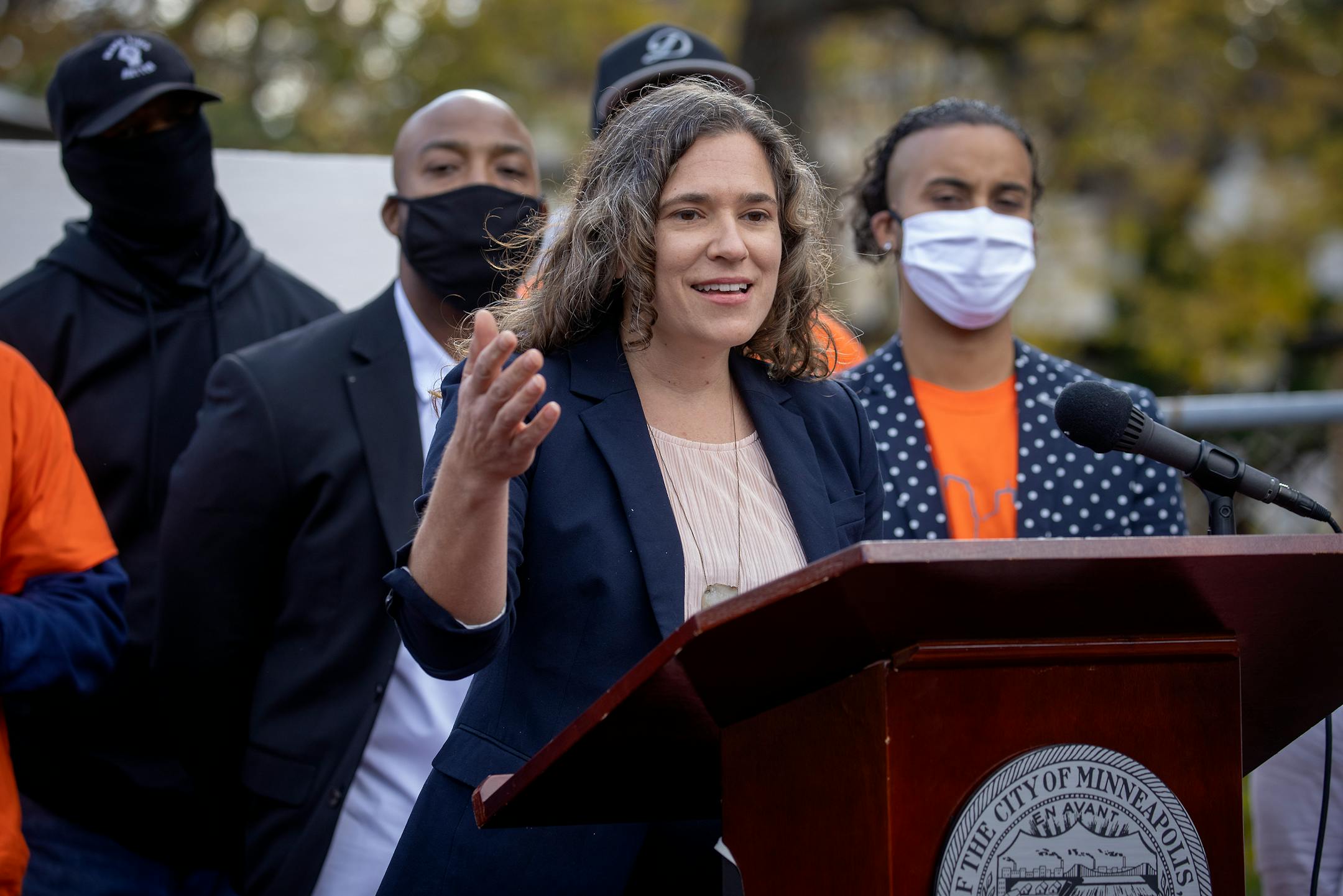
Minneapolis City Council members on Thursday voted to extend the city's COVID-19 emergency, saying they hoped doing so would allow for a smoother transition back to normal operations.
City Council President Lisa Bender, who requested the extension, said they wanted to provide a "phased approach" rather than abruptly ending some programs that businesses and others in the community are relying on.
The city's declaration had been set to expire with the state's, which the governor and legislators moved to end this week, surprising some city officials. The City Council, in an emergency meeting Thursday afternoon, voted to extend the emergency in Minneapolis, and Mayor Jacob Frey approved the decision.
The local emergency declaration allows the city to waive some of its normal procedures with the goal of providing a faster or more effective response to the COVID-19 pandemic.
Keeping the emergency declaration in place will allow the city to continue to permit some restaurants without patios to provide outdoor dining, cap fees on some food delivery orders and waive late fees for some food, taxi, liquor and catering licenses. Those provisions are now set to expire Sept. 30.
The latest declaration extends the amount of time city staff have to use additional sick leave for "COVID-19 related situations," and allows the city to continue holding virtual public meetings.
As the City Council extended the emergency, it also ended a regulation that granted the mayor wider latitude to unilaterally approve some contracts that would normally require council approval. That authority was set to expire at the end of the day Thursday.
In a public meeting last month, some council members accused the mayor of overstepping his emergency powers when he granted a $359,000 contract to a community group for work to prevent violence at and help reopen George Floyd Square. The mayor defended his decision, saying the group was also doing work related to the pandemic.


