

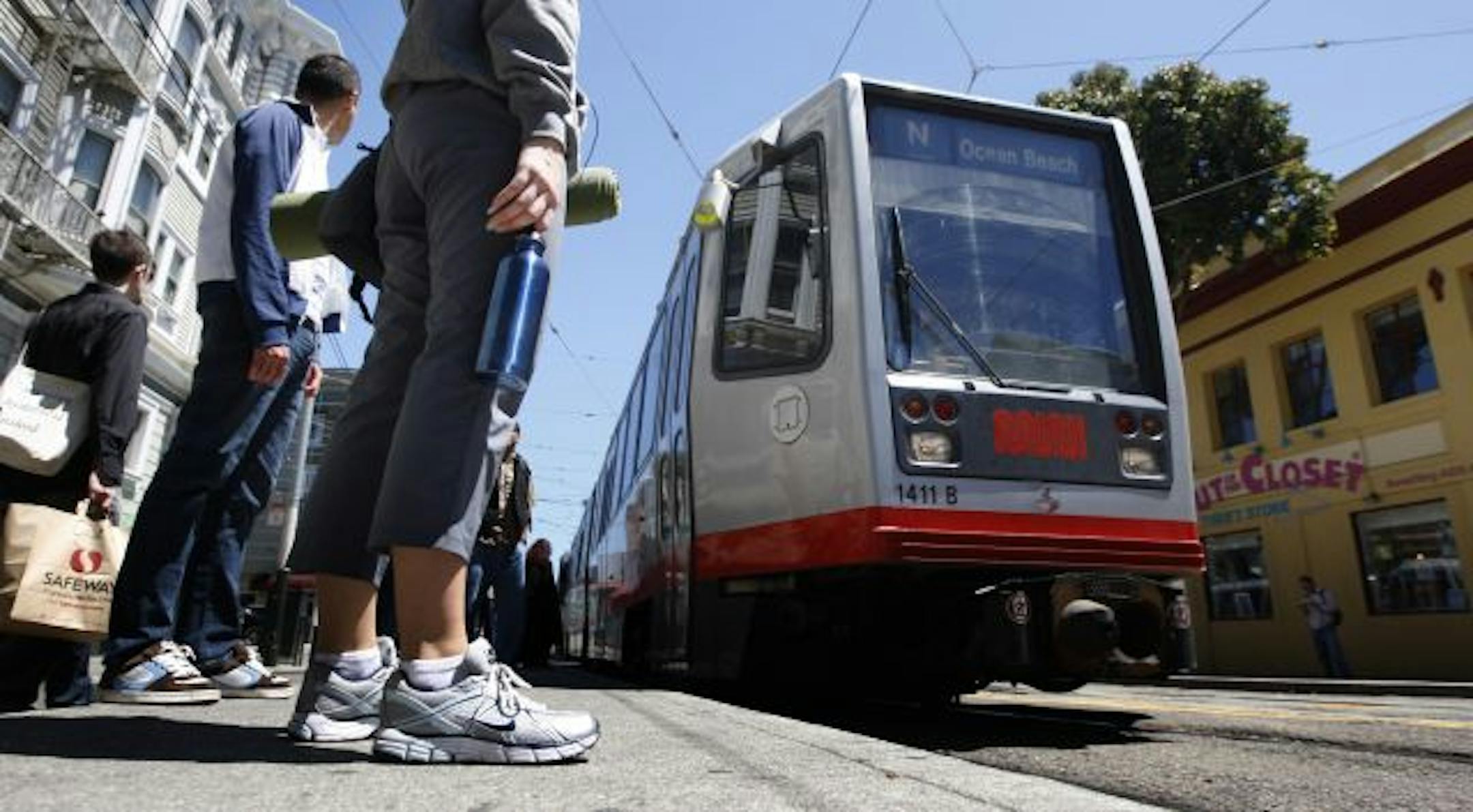
Minneapolis' ambitious plan to build streetcars through the heart of the city appears to be leaving the station.
The City Council will take its first votes Tuesday on a plan to possibly redirect about $60 million in taxes from massive new apartment projects to help fund a $200 million streetcar line along Nicollet and Central Avenues. That would revive a mode of transit that disappeared in Minneapolis nearly 60 years ago, although modern streetcars look more akin to light-rail cars than their 20th-century counterparts.
Officials at City Hall view streetcars, which run on tracks in mixed traffic, as crucial to spurring development and accommodating future population growth. Mayor R.T. Rybak mentioned them 13 times in his State of the City speech this April. Nearly every DFL candidate for mayor is also pushing for them.
But some outside City Hall have questioned whether they are worth the high cost of investment over other forms of transit — an analysis of alternatives is expected to be completed this summer. And many questions remain about how the city will secure the federal, state or regional dollars to help cover the funding gap.
The mayor's office estimates that the funding plan could generate about $5 million a year and support $60 million in city borrowing for the project. Council members have been fairly quiet about the proposal, but it has drawn unusual criticism from Paul Ostrow, the council's former budget chairman, who called it "bizarre" and "irresponsible."
Ostrow, who retired in 2009, objects to how to how it would be funded — relying on tax revenue from projects underway in and around downtown. The so-called "value capture district," authorized by the Legislature in May, encompasses six city blocks where developers are pursuing about 1,200 new units of housing — including three high-rise apartment towers. Some or all of the taxes from those properties would go to streetcars rather than to the general fund, depending on how the plan is configured.
The more traditional city funding mechanism, tax-increment financing (TIF), is intended to capture tax revenue from development that occurs because of the subsidy. State law does not allow TIF to be used for transit, however.
"The property tax growth is already going to happen without a streetcar line," Ostrow wrote in a letter to the council. "You are making a choice right now for the 2018 City Council and City Councils for several decades on how these essential property tax resources will be used. Starting in 2018, the city will have $5 million less for police officers, firefighters and street repair."


