

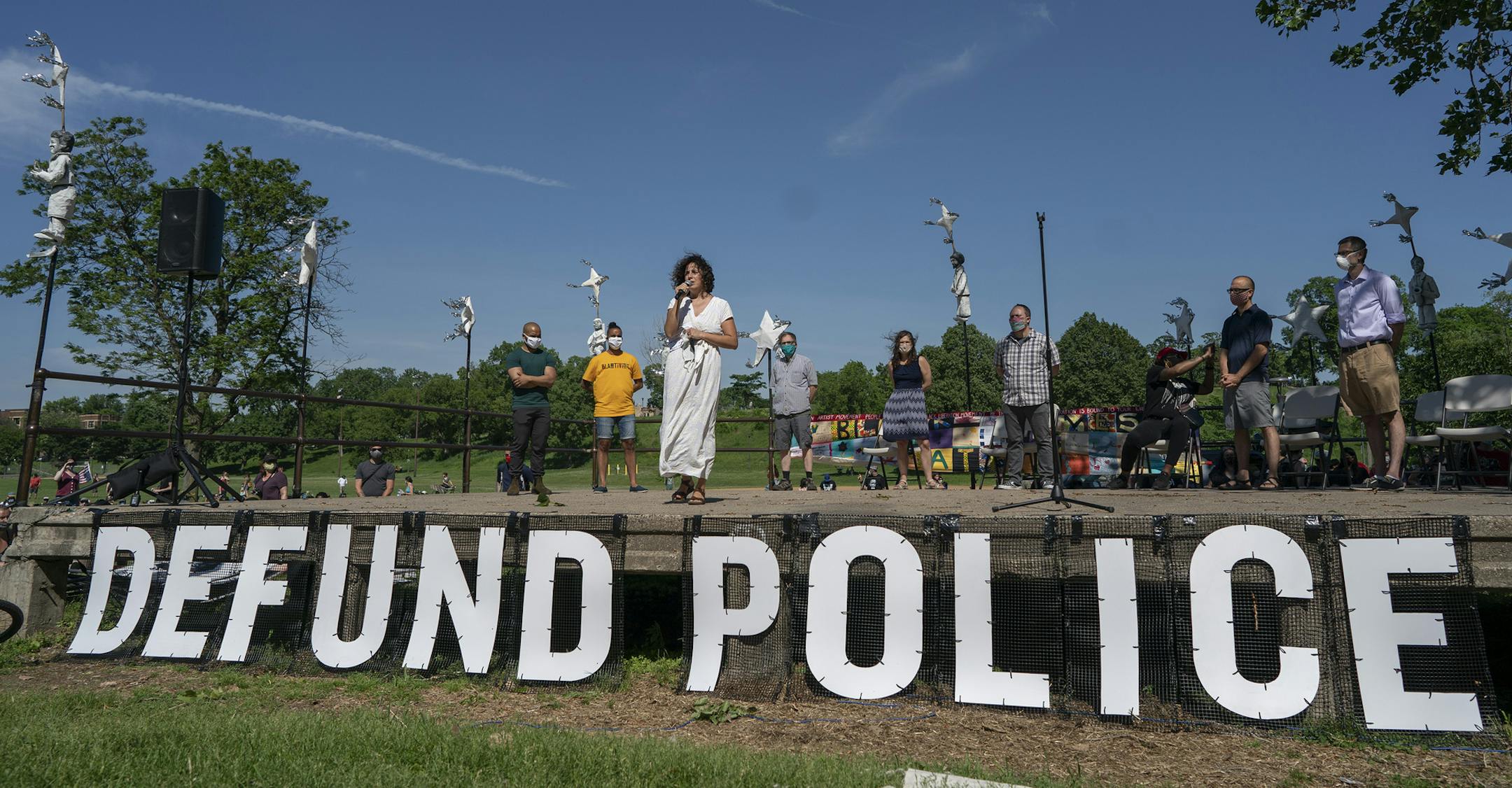
Minneapolis leaders must strike a deal this week about the future of policing in the city as they balance George Floyd's legacy with a crime wave that has put residents on edge.
The City Council is scrambling to adopt its first budget since Floyd's death after his arrest by Minneapolis police in May. Public comments have been pouring into City Hall about whether to redirect some of the Police Department's funding.
Advocates for a smaller department see it as a crucial opportunity to divert police resources into mental health services and alternative responses to nonviolent emergency calls. Others say they support funding those initiatives, but will not sacrifice police spending amid a worrisome spike in carjackings, homicides and other crimes.
The issue of policing has opened a gaping divide on the City Council, and a vote could come as early as Monday, even as some members appear entrenched in their positions.
"I don't know if the goal should be common ground," Council Member Steve Fletcher said last week. "I think we might disagree on some things and it might be good to vote that way and just show people where we are."
In recent days, Minneapolis' elected leaders were consumed by the issue as they weighed competing public safety proposals and sat through nearly eight hours of emotional public testimony.
On Nov. 27, Fletcher, Council President Lisa Bender and Council Member Phillipe Cunningham previewed a plan to take nearly $8 million from Mayor Jacob Frey's recommended 2021 budget for the Police Department and use it to pay for mental health crisis teams, violence prevention programs and other initiatives.
Frey called the proposal "irresponsible," saying he supported the concepts, but that they should not be paid for from the Police Department's already crimped budget.


