

Some stores can't accept more than $2.50 in change, sell 40-ounce drinks, allow drinking games or keep pay phones, as a condition of doing business in Minneapolis. Others must serve food until 2 a.m., hire armed guards or offer free valet service.
For years, businesses and regulators have negotiated this patchwork of rules, depending on the wishes of neighborhood groups and concerns about security, parking and customers.
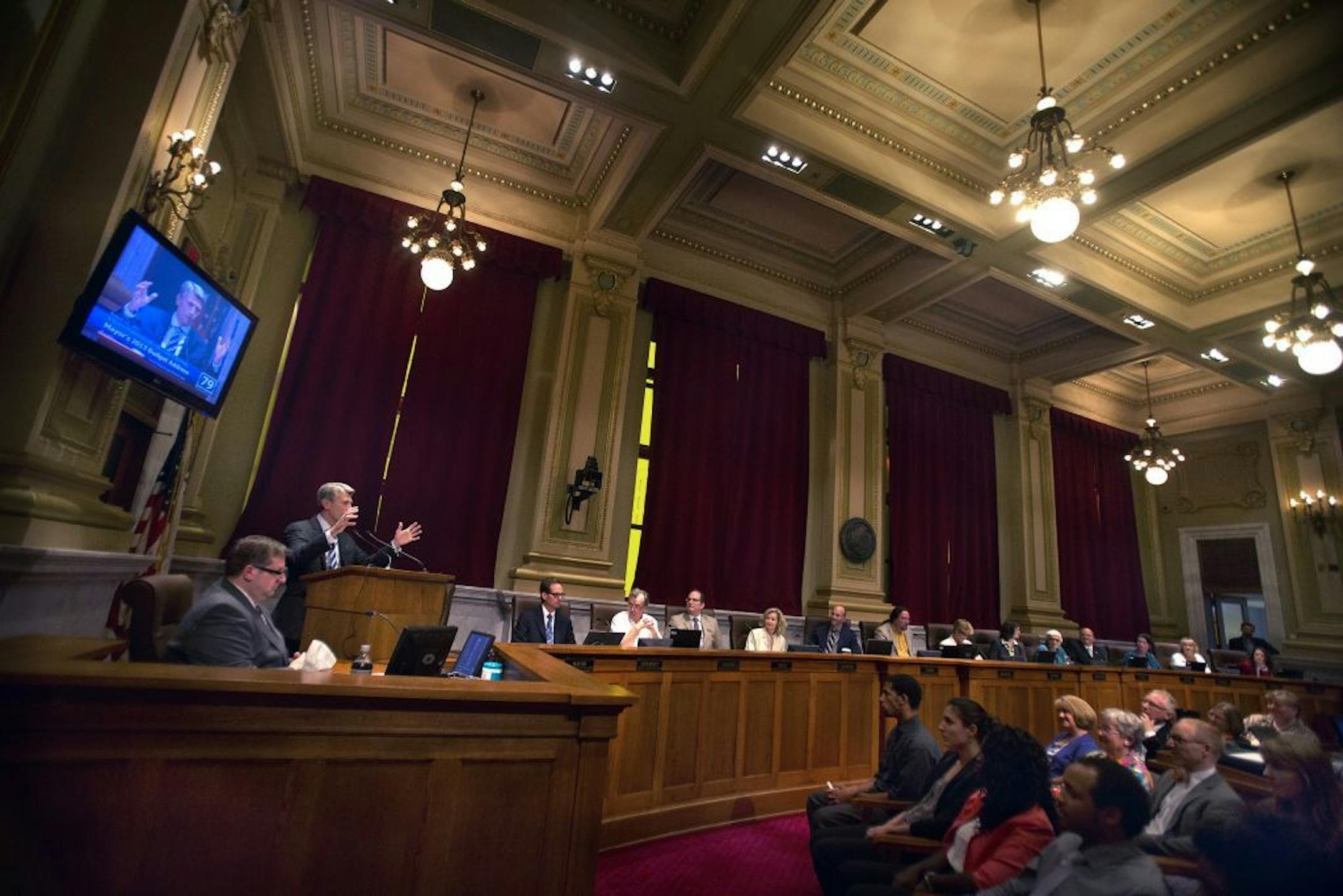
On Friday, the City Council voted to give itself the power to impose restrictions — such as limiting the hours alcohol is served, changing the maximum occupancy level and other means of preventing nuisances — on businesses that repeatedly violate regulations and can't reach a compromise with the city.
Officials stressed that they would take such action rarely and only for the most troublesome businesses. "I may never even use this new law in my career," said Grant Wilson, the city's manager of licensing and consumer services.
Some business owners, however, say that the ordinance is written too vaguely, that it could lead to uneven rules among similar businesses and that future changes on the City Council or in the neighborhood where a business is located could make enforcement unfair.
A trio of three-ring binders at City Hall holds records for more than 60 businesses with extra conditions negotiated in order to get or keep their licenses. The records offer a look at what it takes for some people to run a restaurant, store or bar in Minneapolis.
Consider Stinson Wine & Spirits, the first liquor store in the Windom Park neighborhood since Prohibition. Upon its opening last year, the city said it could not sell 40-ounce bottles of alcohol, lottery tickets or individual containers of alcohol for less than $3. The store also must close by 9 p.m.
Owner Daniel Mays said he never intended to stock lottery tickets and "40s" anyway, but the $3 limit has been tough because the owners wanted to sell individual bottles of new craft beers — about $1.50 each — to entice customers to return and buy a six-pack.


