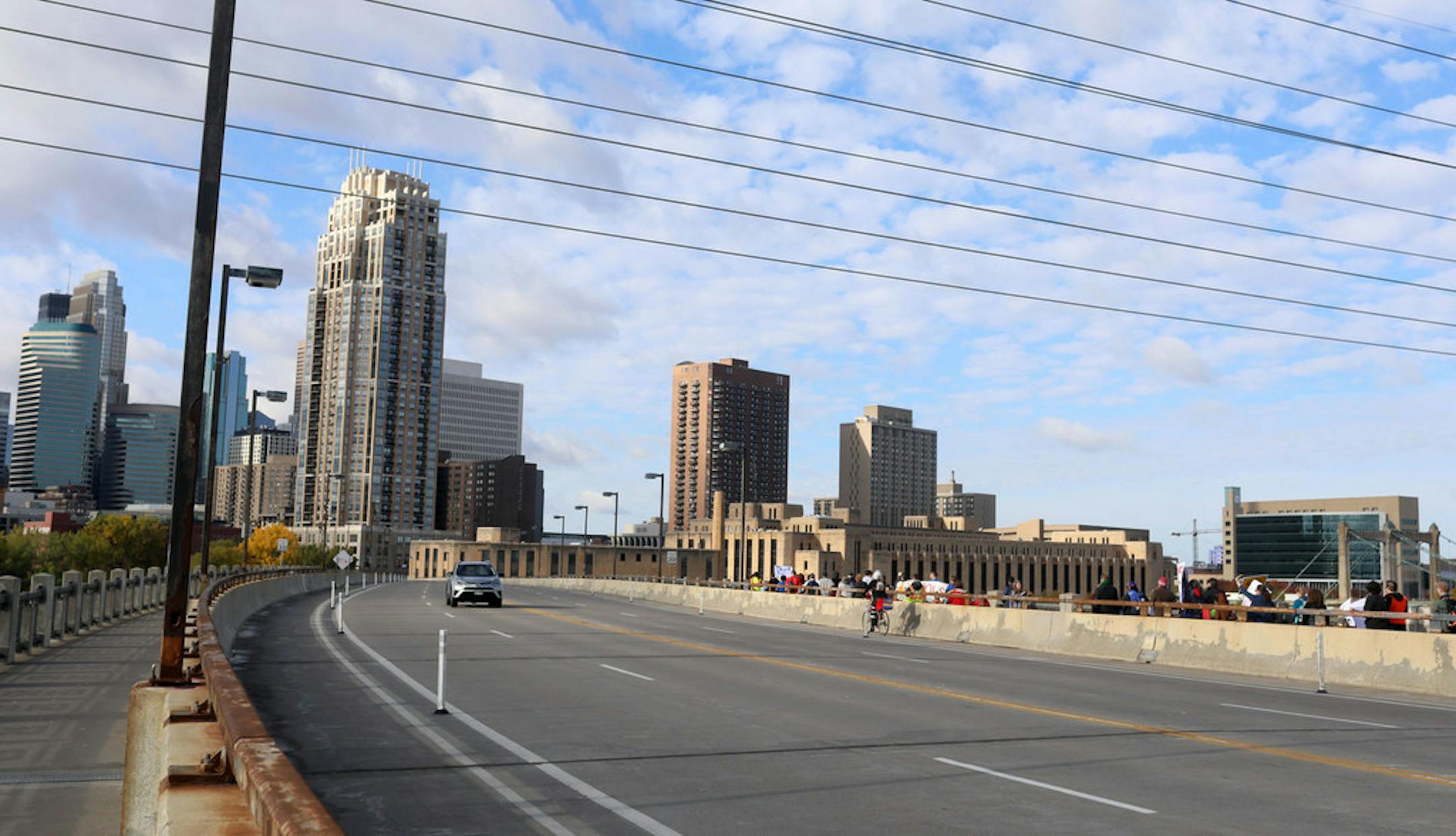
The 3rd Ave. bridge over the Mississippi River in downtown Minneapolis is closing to all traffic – cars, buses, pedestrians and bicyclists – for nearly two years, starting Monday.
The historic structure with its distinctive S-curve just north of St. Anthony Falls is closing to all traffic Jan. 4 as the Minnesota Department of Transportation (MnDOT) continues with the bridge's first major repairs in more than 40 years.
Vehicles, transit and pedestrians will be detoured to Hennepin and 1st avenues N. until the bridge, which connects southeast Minneapolis and downtown, reopens in November 2022. Bicyclists will be detoured to the Stone Arch Bridge.
Rehabilitation began in May and traffic was reduced to a single lane in each direction. But with heavy-duty work commencing next week, MnDOT will shut down the entire bridge until the $130 million project is complete.
The 2,200-foot 3rd Avenue bridge, which has five large arches and two smaller ones on each end, opened on June 14, 1918. Originally named the St. Anthony Falls bridge, it was one of the Twin Cities' first reinforced-concrete arch bridges over the Mississippi. The bridge's curved alignment was necessary to avoid setting piers on limestone breaks in the river, according to MnDOT.
The bridge, which was placed on the National Register of Historic Places in 1971, nearly saw the wrecking ball in the late 1970s. But MnDOT, instead of replacing the bridge, rebuilt part of it by raising the roadway 5 feet in the middle and repairing both approaches.
As part of the ongoing top-to-bottom face-lift, concrete columns will be removed and replaced with a decorative design compatible with what was in place before the last restoration, in 1979. The Art Deco ornamental railing will be restored and lighting conforming with the bridge's original design installed. A new bridge deck will be put down, plus a sidewalk divided into lanes for bicyclists and pedestrians.
An award for MnDOT
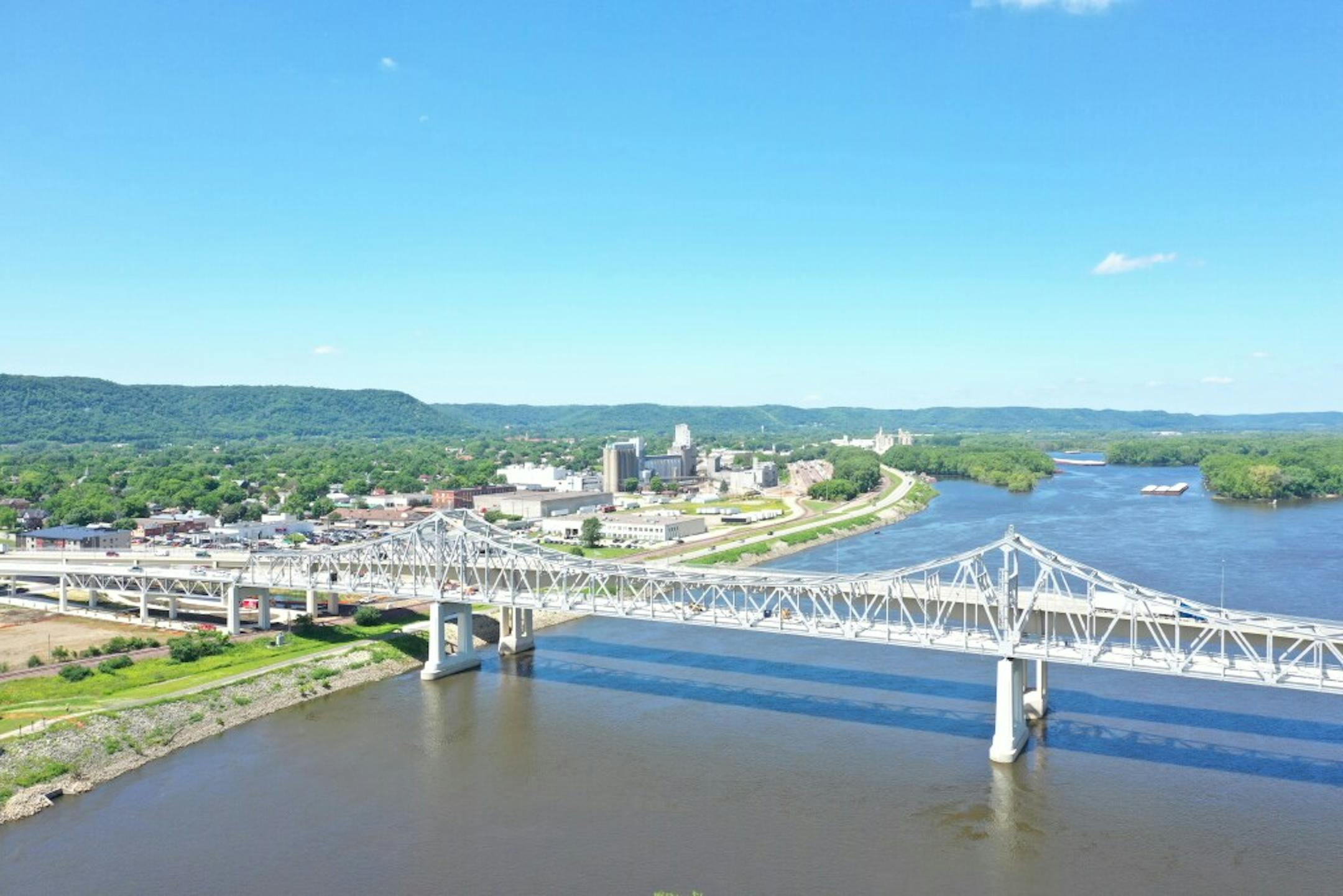
MnDOT crews spent nearly three years removing about 35,000 rivets — some of which had not been installed according to the original design — and replacing them with high-strength bolts while rehabilitating the Hwy. 43 bridge over the Mississippi River in Winona.