

In a recent NPR interview, a business writer with the Wall Street Journal was asked what could be done about America's ever-widening income gap. Should we strengthen labor unions? Raise the minimum wage?
The journalist dismissed both notions as quaint. It's a supply-and-demand world, he said, and as such, while the "extremely scarce resource" that is top management talent will continue to see its compensation soar, the average global citizen's only hope for personal betterment is continuing economic expansion fueled by an exploding world population.
Nine billion by 2050 is the new imperative. Move over, all you pesky inalienable rights. It's not about quality of life but quantity in the current millennium. The global economy is an irreversible fact of life. We have no choice but to obey its dictates.
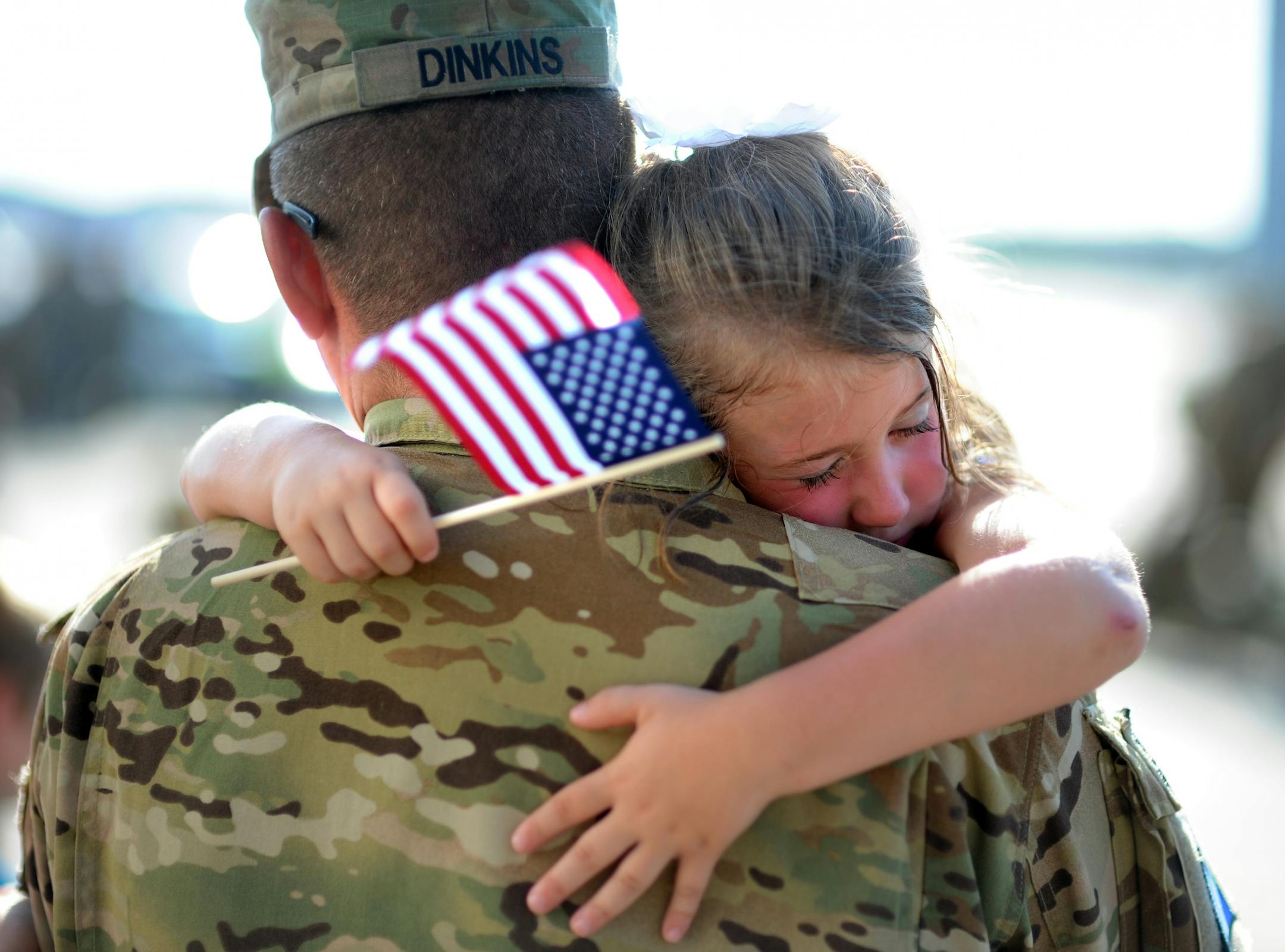
Given this bleak outlook, it's hardly surprising that so many low- and middle-class Americans are opting out of the economy altogether. Lacking any other form of wage protection, they are choosing to enlist in the military. This, too, serves the interests of big business. From agricultural products to oil, America's volunteer army ensures safe passage. It also keeps the peace on the home front, offering not just a decent-paying, albeit dangerous, job but the promise that several deployments overseas will add up to the equivalent of a college education once the term of service is up.
It's a false promise, of course, just as the guy on the radio implied — and as the tens of thousands of unemployed and homeless vets attest.
Call me old-fashioned, but I still think a nation-state can buck the global tide if it chooses to. I also think the volunteer army is a bad idea. I'm not alone.
Back in 2003, Charles Rangel, a Democratic congressman from New York who happens to be black and a decorated Korean War vet, made his first attempt of many to reinstate the draft. President George W. Bush was then hell-bent on invading Iraq, and Rangel, concerned that the American public had been given no say in the matter or even an honest explanation, argued that the threat of conscription would put an end to all this loose talk of regime change.
Most commentators regarded his idea as quixotic. If Americans were clear on one thing, it was their opposition to the draft. But Chicago Tribune senior editor Salim Muwakkil saw Rangel's proposal as a "crafty" antiwar tactic intended to focus attention on the glaring demographic contrast between those who wanted (and would most likely benefit from) a "free and democratic" Iraq and those who would be putting their lives on the line to impose those lofty ideals by force.


