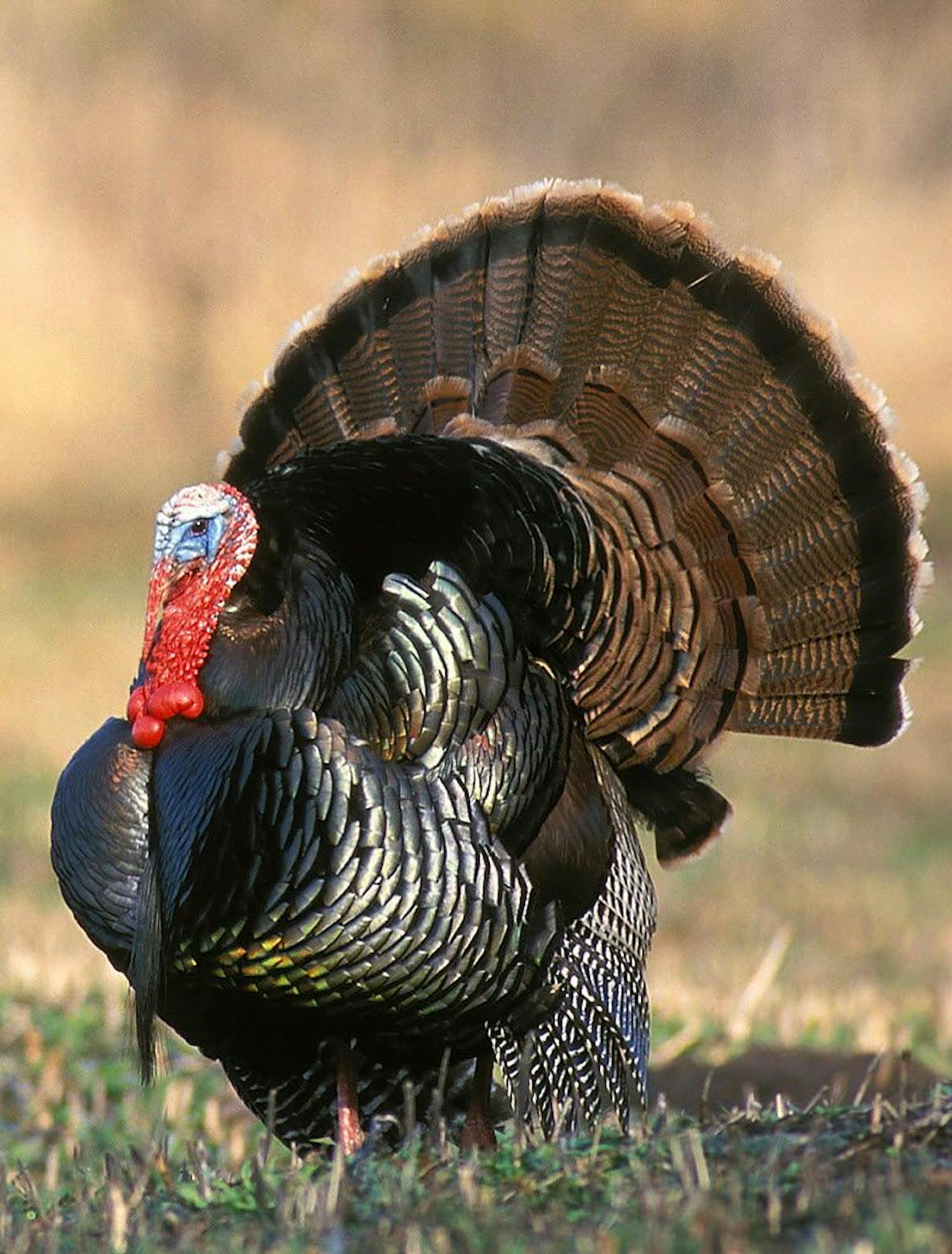
Turkeys are gobbling and strutting, trying to attract females, a month ahead of normal.
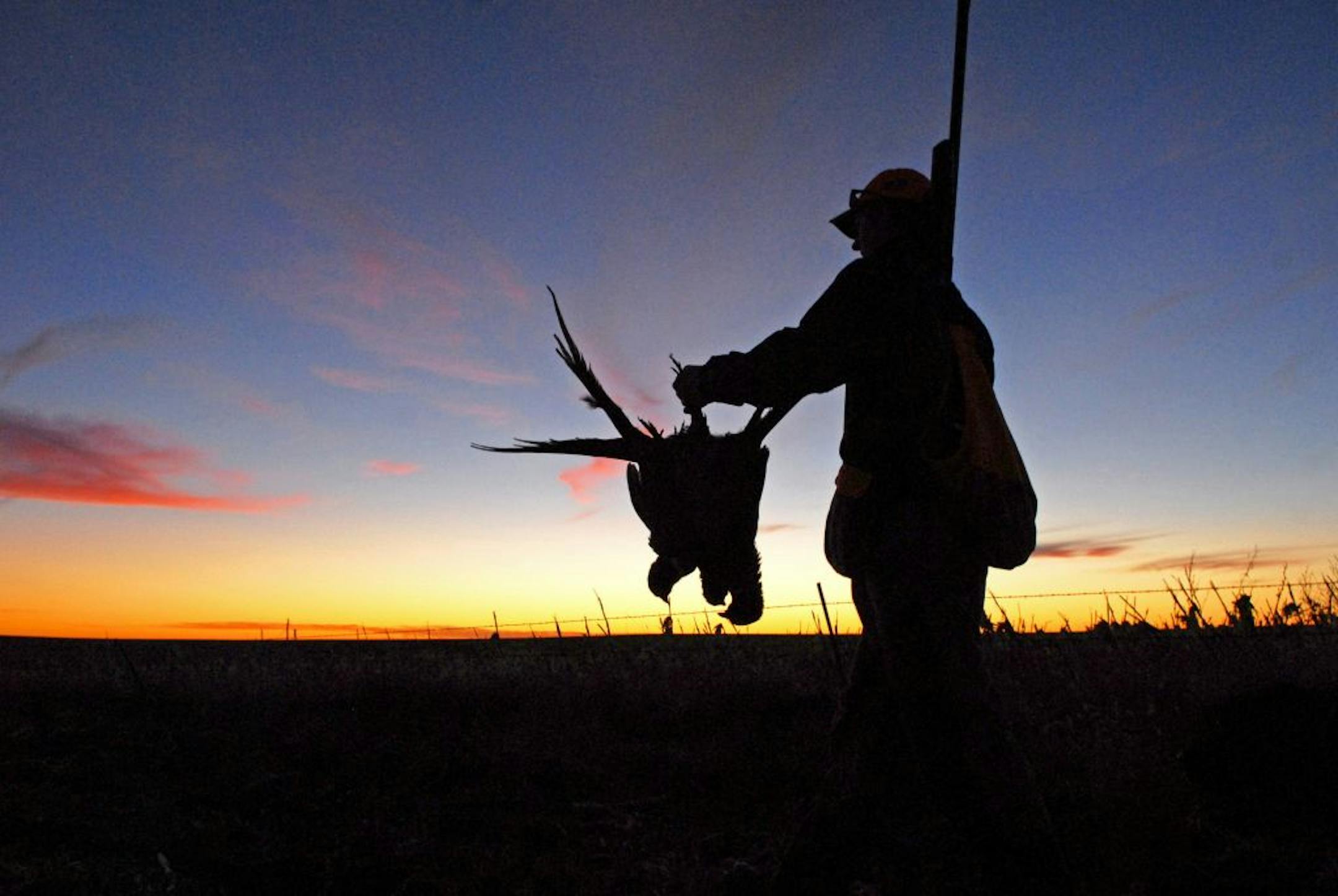
Pheasants, hammered by bad weather in recent years, are poised for a comeback.
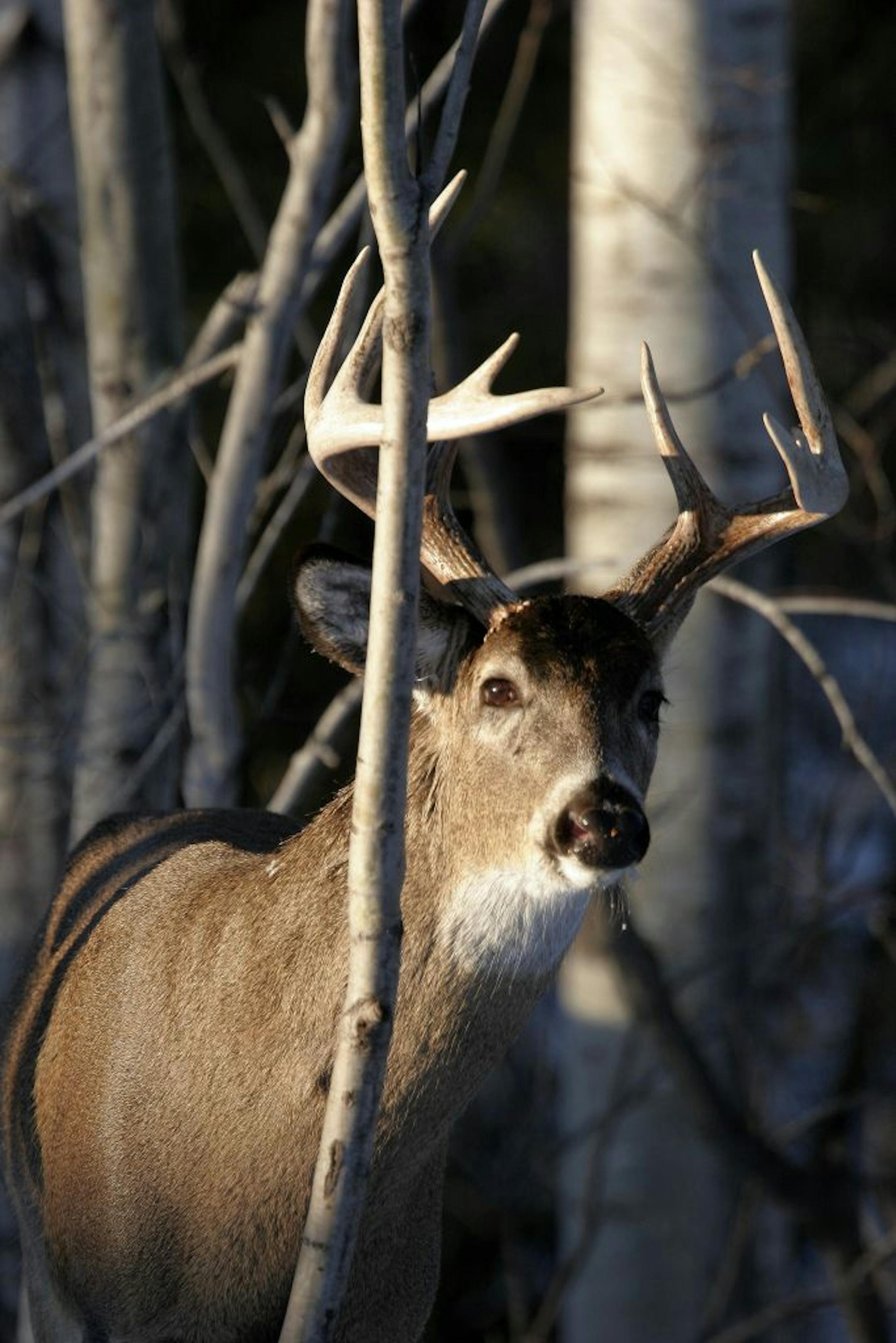
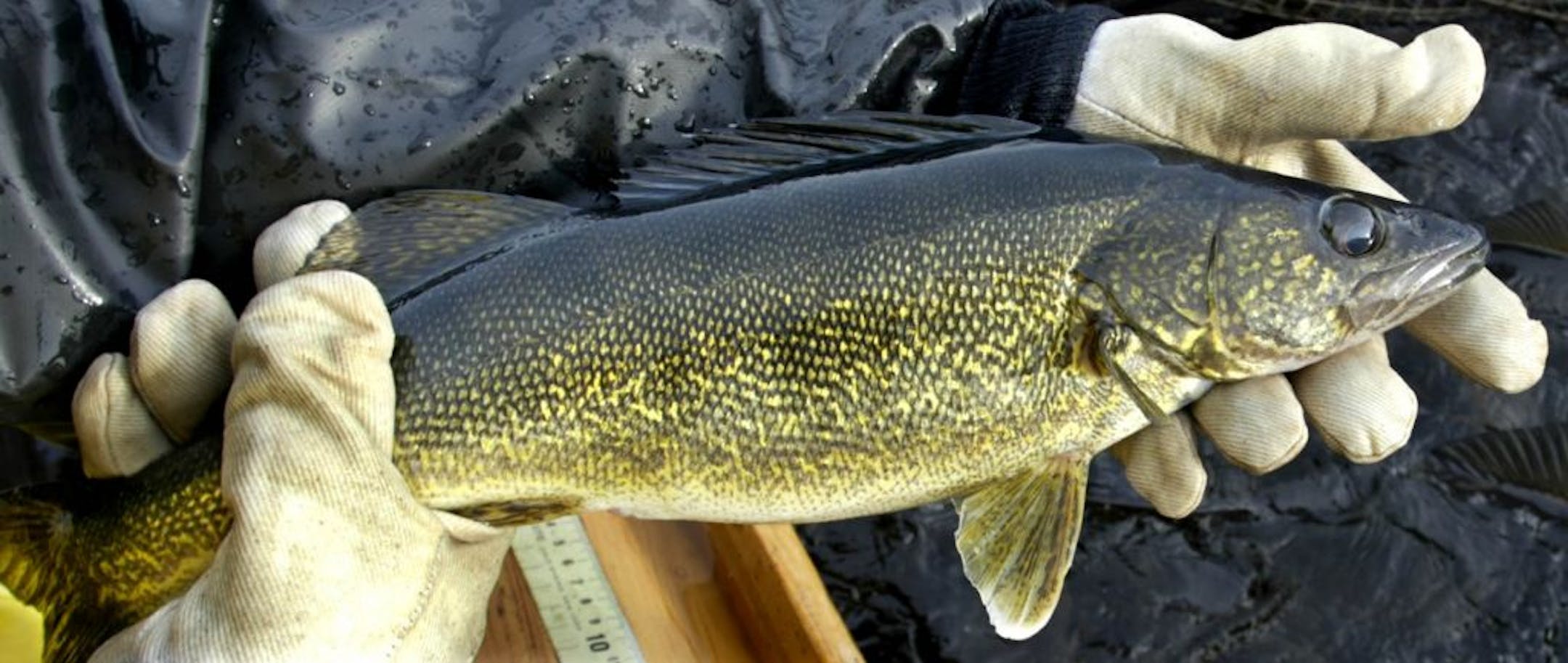
Ice already has departed scores of lakes, prompting anglers to stow ice-fishing gear and ready their boats. And the state's deer herd, down recently, could be reinvigorated.
For Minnesota's wildlife, the unusually mild winter -- which officially ended Tuesday after days of record-busting high temperatures -- is a godsend. Deer, turkeys, pheasants and other critters have survived the most challenging time of year.
And that should have hunters and anglers smiling. But this is Minnesota, and the current heat could give way to snow in April and May. But for now, life in the wild is good. Here's a look at prospects for some key species:
Gobbling begins Wild turkeys have adapted well to Minnesota's snow and cold, but the lack of both this winter clearly helped winter survival. And early-season turkey hunters could find cooperative toms because breeding likely will occur earlier than normal.
"Like a lot of wildlife, they key off day length and weather patterns," said Rick Horton, a Minnesota wildlife biologist with the National Wild Turkey Federation. Breeding can be accelerated or delayed by the weather, and the warmth so far has jump-started the breeding season. But all rules aren't out the window: Length of daylight is critical to spur breeding, said Kurt Haroldson, a DNR wildlife scientist. "Egg production is determined primarily by day length," he said.
So while tom turkeys might be interested in breeding early, females might reject those offers. The peak hatch for Minnesota's turkeys normally occurs in early June. If hens are on nests early, as seems likely, that could benefit hunters seeking to bag a love-sick gobbler.