Spring Birds Arriving By The Thousands !!
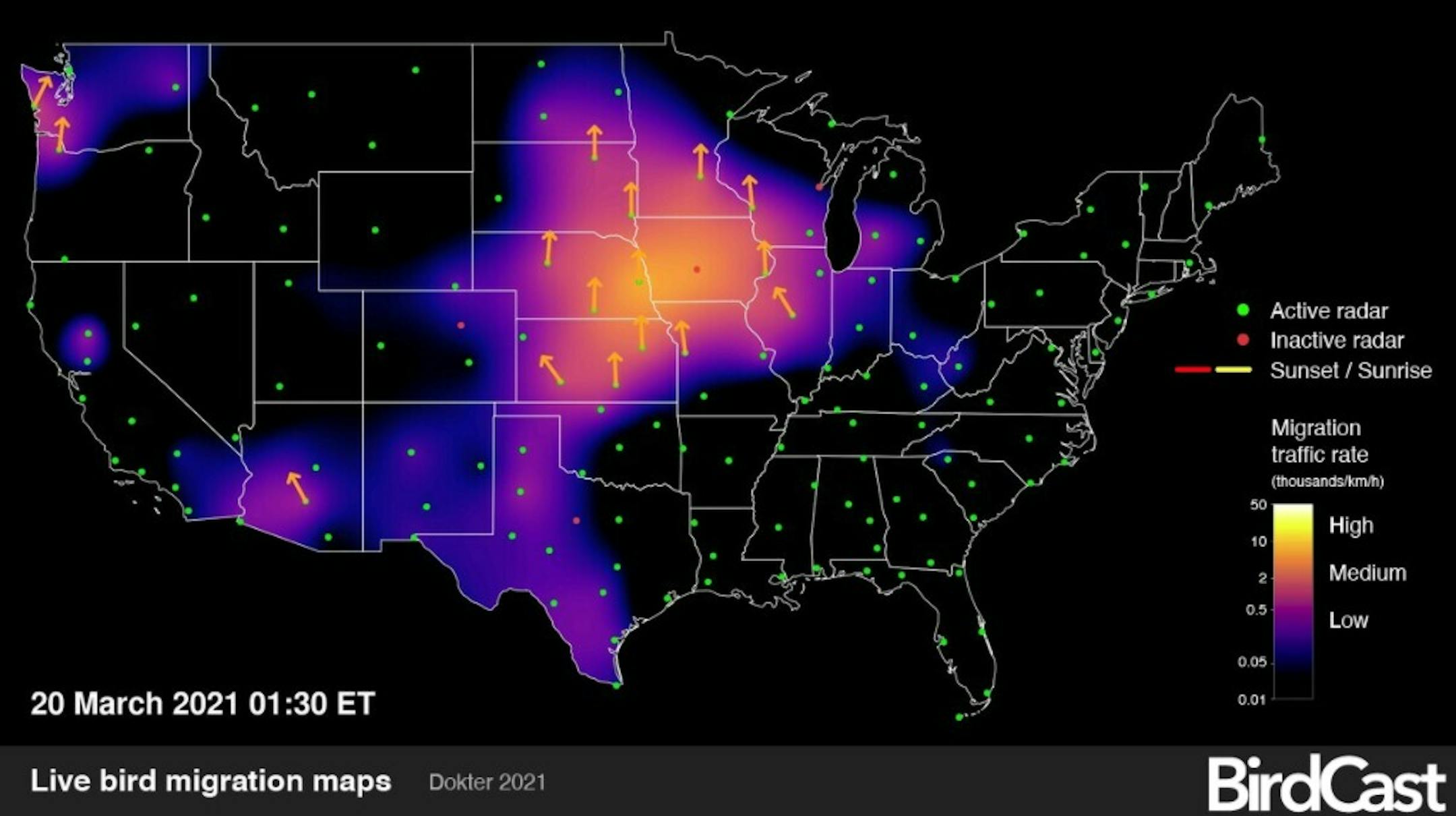
If you haven't been able to poke your head outside in the early morning hours yet this spring, give it a shot. You'll hear a spring chorus of many different birds that have either wintered close to home are are recently arriving from their migration south. Take a look at the amazing map below from BirdCast, which shows that lots of birds are on the wing and headed north by the thousands!
"Real-time analysis maps show intensities of actual nocturnal bird migration as detected by the US weather surveillance radar network between local sunset to sunrise. All graphics are relative to the Eastern time zone. The yellow line moving east to west represents the timing of local sunset. Areas with lighter colors experienced more intense bird migration. Orange arrows show directions to which birds flew. Green dots represent radar locations for which data are available; red dots represent radar locations with no data available. Note that many radars in mountainous areas (e.g. the Rockies) have obstructions that restrict radar coverage, providing the appearance of no migration where migration may be occurring. Brighter colors indicates a higher migration traffic rate (MTR) expressed in units birds/km/hour. The migration traffic rate indicates the number of birds per hour that fly across a one kilometer line transect on the earth's surface oriented perpendicular to the direction of movement of the birds. Cornell Lab of Ornithology currently produces these maps. Support for this research came from NASA, Edward W. Rose Postdoctoral Fellowship, and Amazon Web Services. The BirdCast project was created by grants from the National Science Foundation and supported by additional grants from Leon Levy Foundation. To cite live migration map graphics, please use the following syntax: Dokter, A. M. Year/s of live migration map image. BirdCast, live migration map; date and time (most easily accessible from image file name/s). Cornell Lab of Ornithology. birdcast.info/live-migration-maps. Date/s of access or download."
Dwindling Ice on Area Lakes
The ice is going fast on area lakes and ponds thanks to recent mild temps and stronger March sunshine. With continued warm temps and the potential of heavier rainfall this week, the ice will become even less safe. Be careful out there!

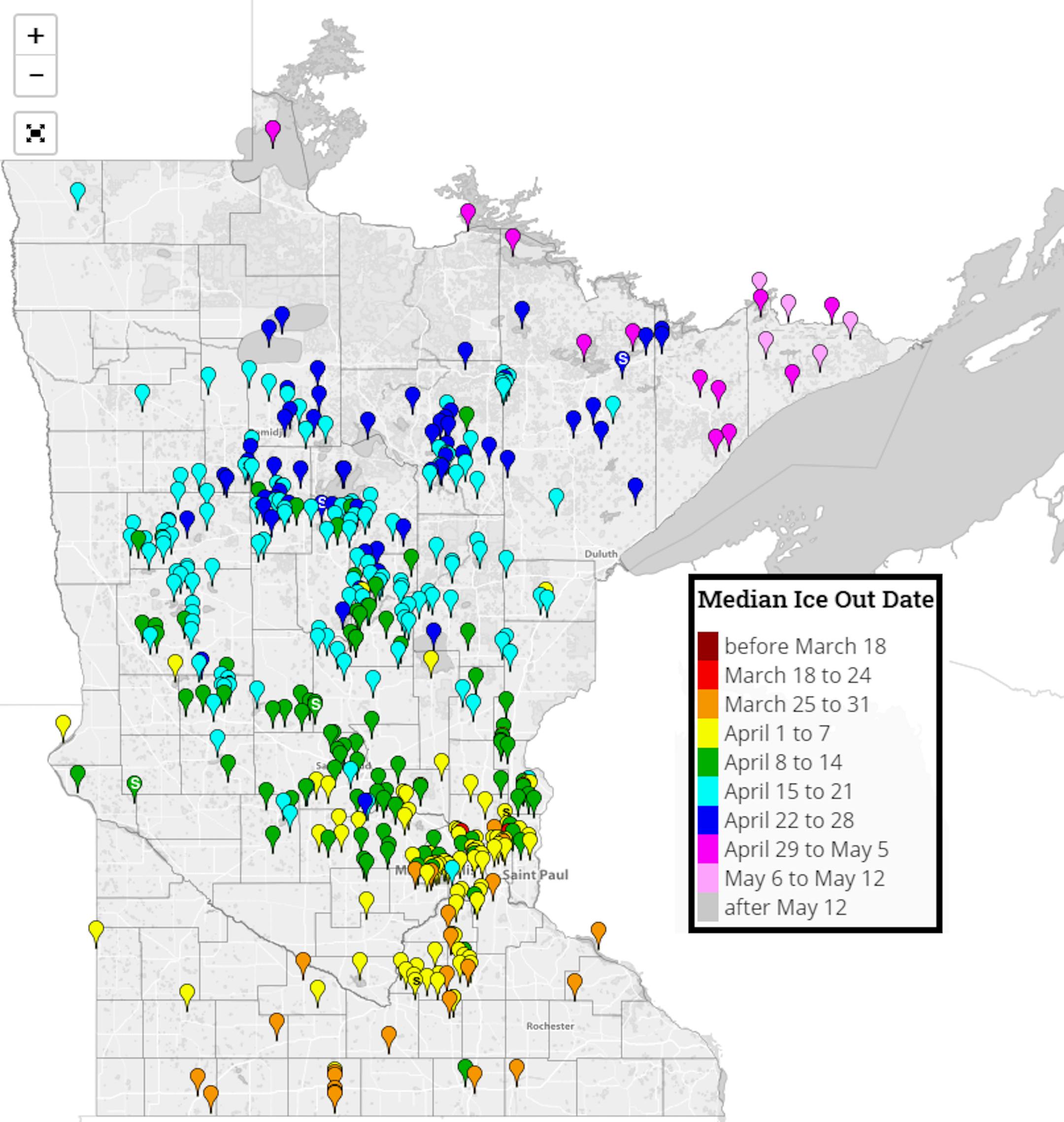
Average Ice Out Dates Across the State
Here's a look at the average ice out dates across the state. The orange markers across the southern part of the state indicate average ice out dates typically around the last week of March. We typically see average ice out across parts of central Minnesota and around the Twin Cities during the first couple of weeks of April. Folks across the northern third of the state typically see ice out closer to the start of May.
Heavy Precipitation Potential This Week
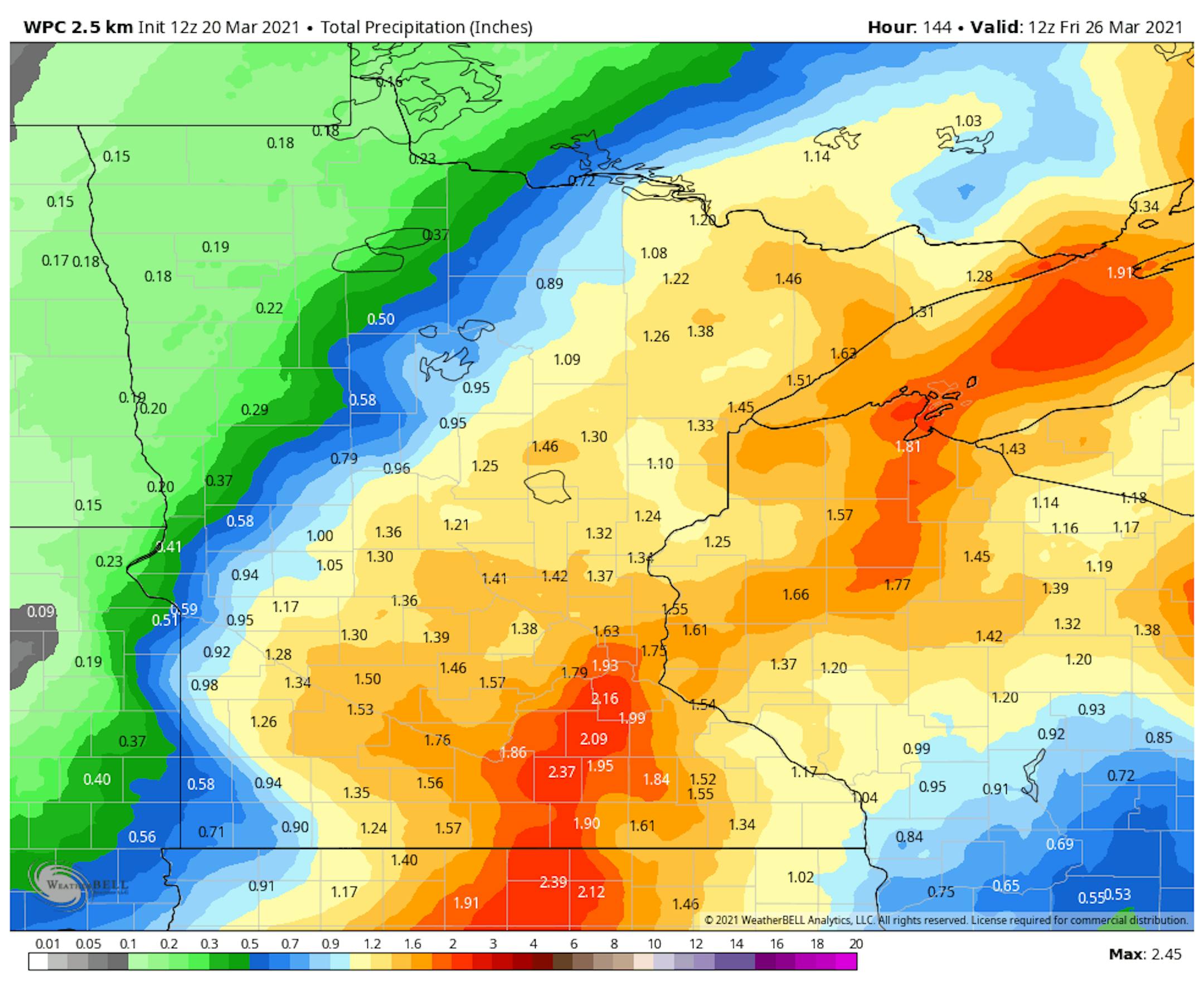
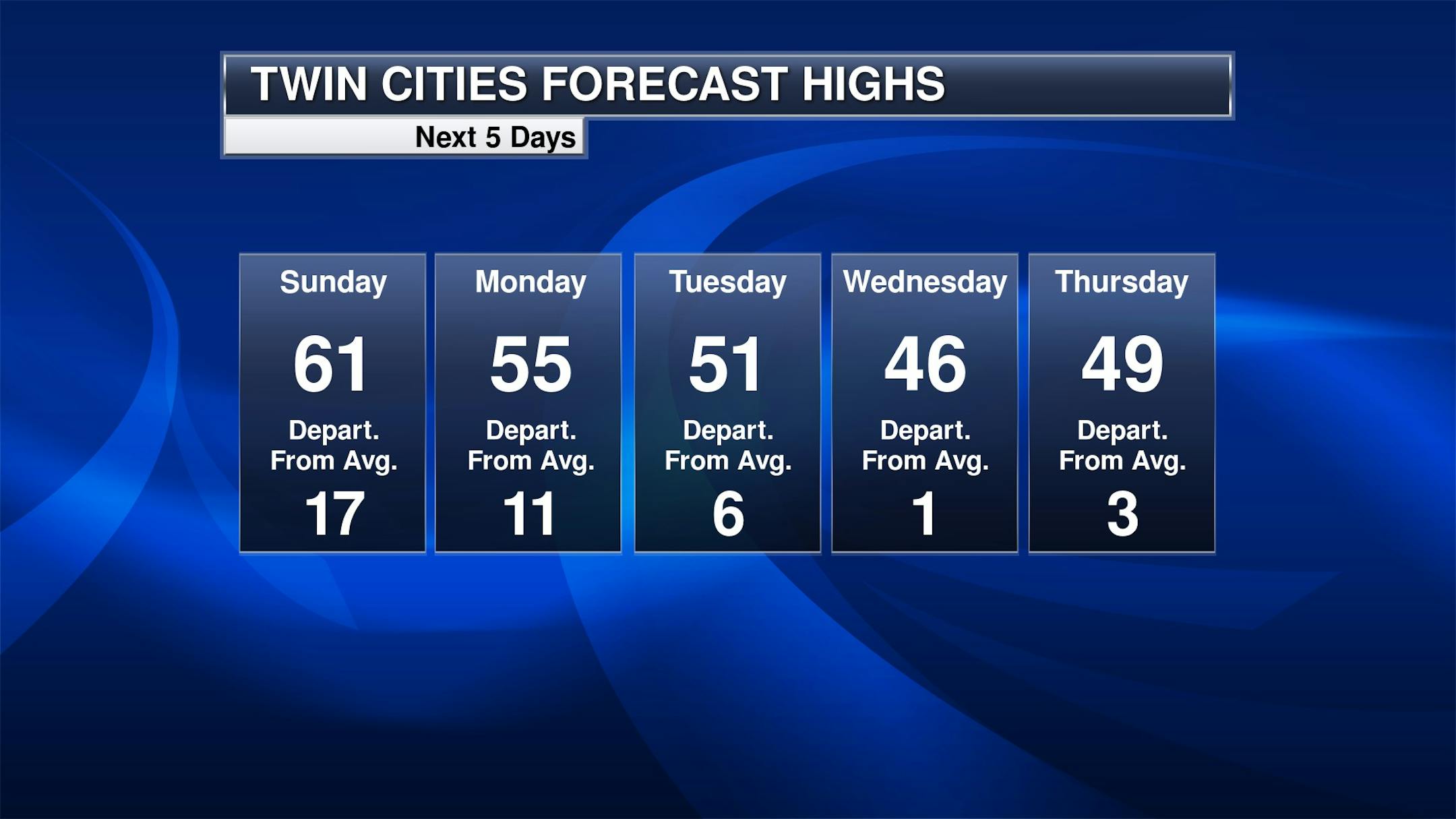
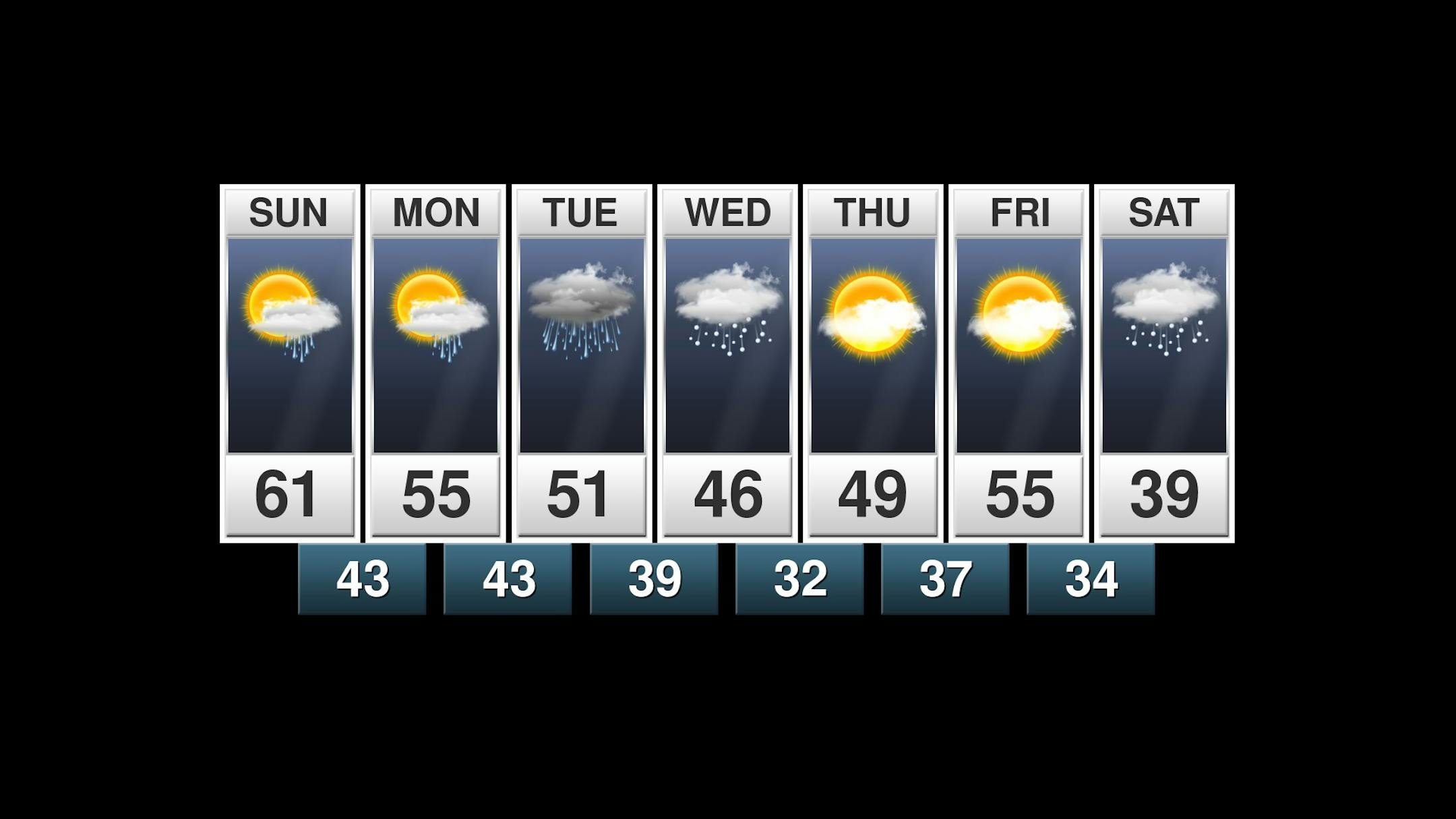
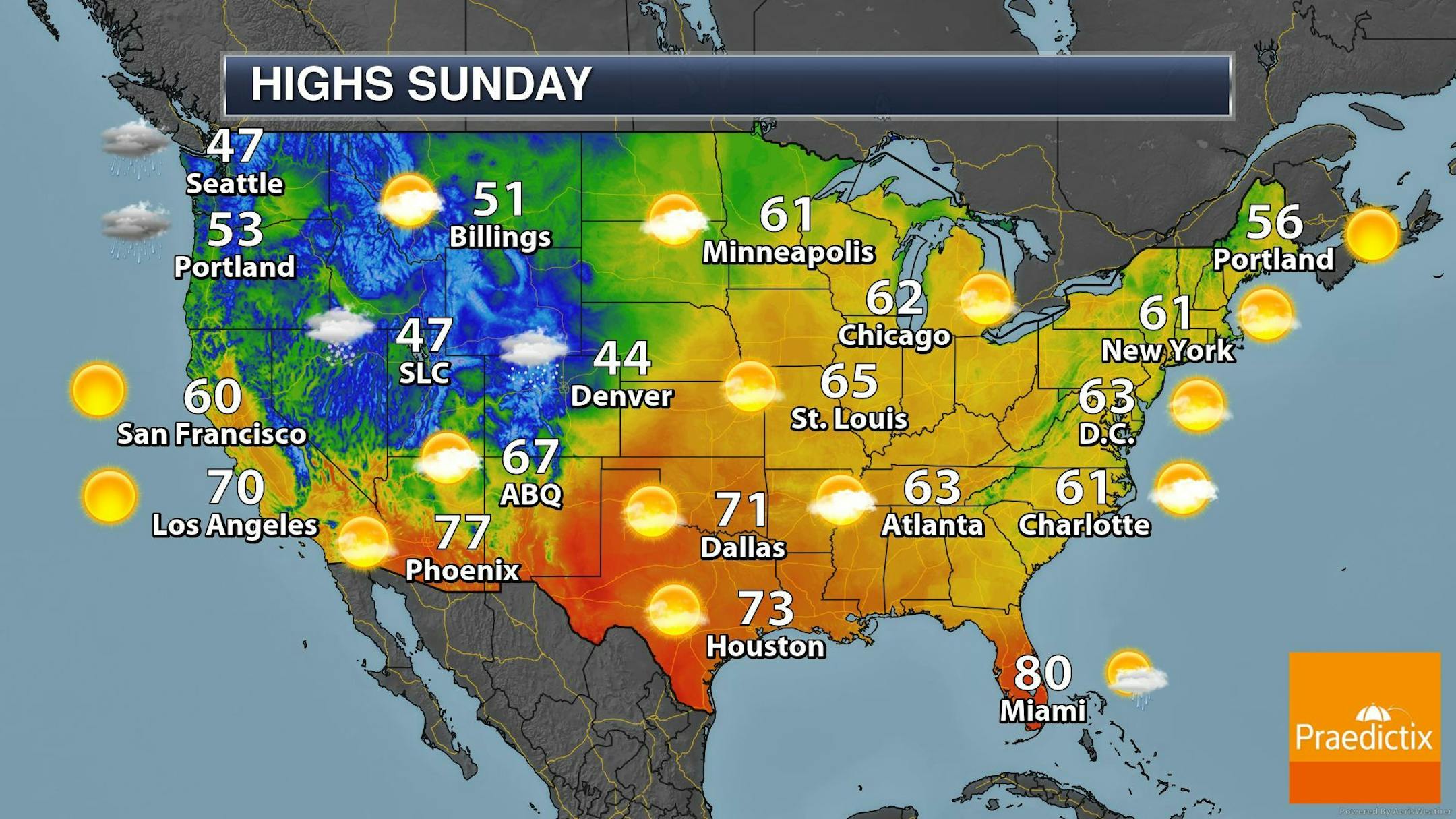
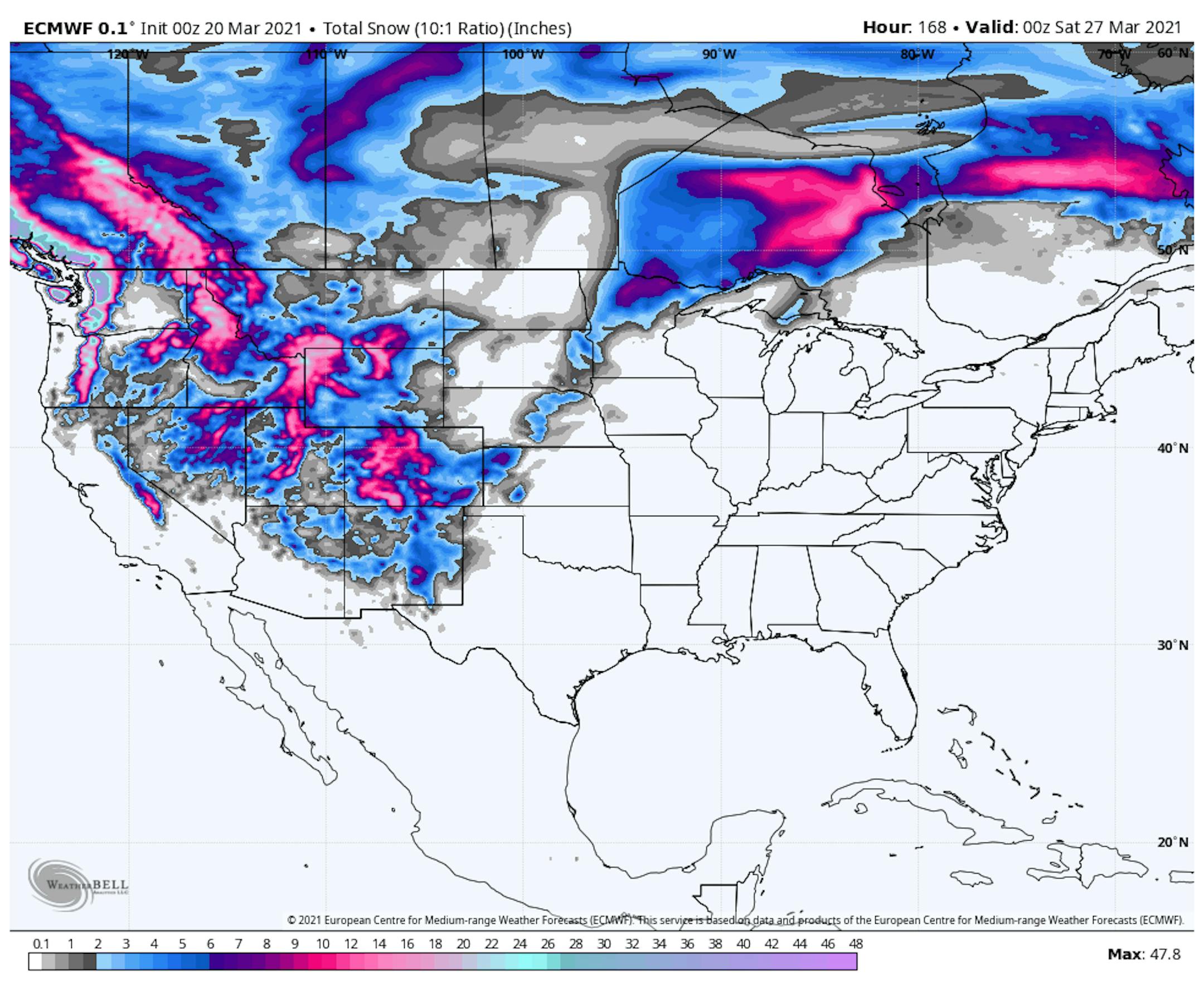
Weather models have been fairly consistent over the last several days, featuring a waterlogged storm system moving in this week. The weather outlook from midday Sunday to PM Thursday shows a very large storm swirling through the Midwest over a several day time period. This will likely prolong the precipitation potential, which could lead to 1" - 2" or more of total precipitation. There could also be some heavy snowfall potential on the colder side of the storm late Tuesday into Wednesday.
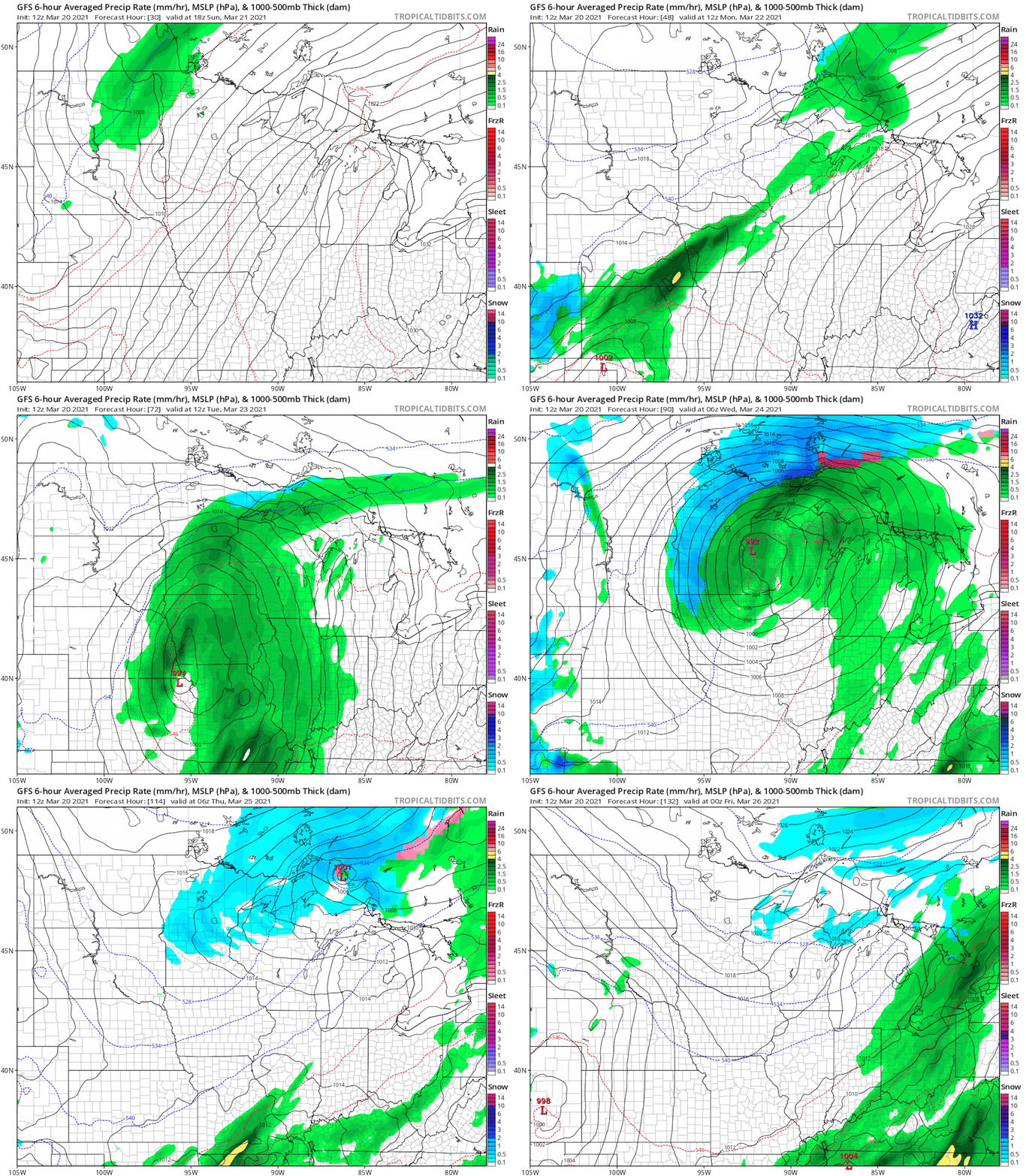
Heavy Precipitation Potential
Here's the precipitation potential through AM Friday, which shows widespread 1" to 2" tallies across much of Minnesota and into Wisconsin. There may even be some heavy snowfall potential late Tuesday through Thursday as this storm system moves through. Stay tuned!