A queasy feeling flutters in my gut while sitting inside Bus No. 2857 from Montgomery, Ala. I imagine the smells on Dec. 1, 1955 — perhaps Brylcreem and shirt starch, fuel exhaust and perspiration — as the voice of a newsman crackles on the speaker above me, interviewing Rosa Parks.
The quiet, unassuming seamstress and churchgoer had been trained in civil rights, and on that crowded bus she decided she was done following segregation laws and giving up her seat if a white man wanted it. Her quiet act of defiance required standing up to an armed bus driver, being taken away by police and booked into jail.
"He demanded the seats we were occupying," says her voice over the news recording. "The other passengers reluctantly gave up their seats, but I refused to do so."
Her actions sparked a 381-day bus boycott that led to the repeal of Montgomery's bus segregation and helped fuel the civil rights movement. I was surprised to find her bus, much less sit in it, while visiting Michigan, but it ranks among many epic American artifacts fastidiously collected at the Henry Ford Museum of American Innovation in Dearborn, near Detroit.
Henry Ford and his friend and mentor, Thomas Edison, began the museum as a school 90 years ago with the belief that the genius of American people was not being taught in textbooks. The institution has since become a 250-acre blend of attractions: an expansive museum with Smithsonian-scale wows; the Greenfield Village living history experience with the spirit of Williamsburg; and excursions to the Ford Rouge plant to see how trucks are built.
Museum visitors pause at pivotal, visceral reminders of national sorrows such as the rocking chair President Abraham Lincoln sat in when he was assassinated in a theater in April 1965, or along a lineup of presidential limousines including the Lincoln Continental convertible John F. Kennedy and his wife, Jacqueline, rode in when he was shot Nov. 22, 1963, in Dallas.
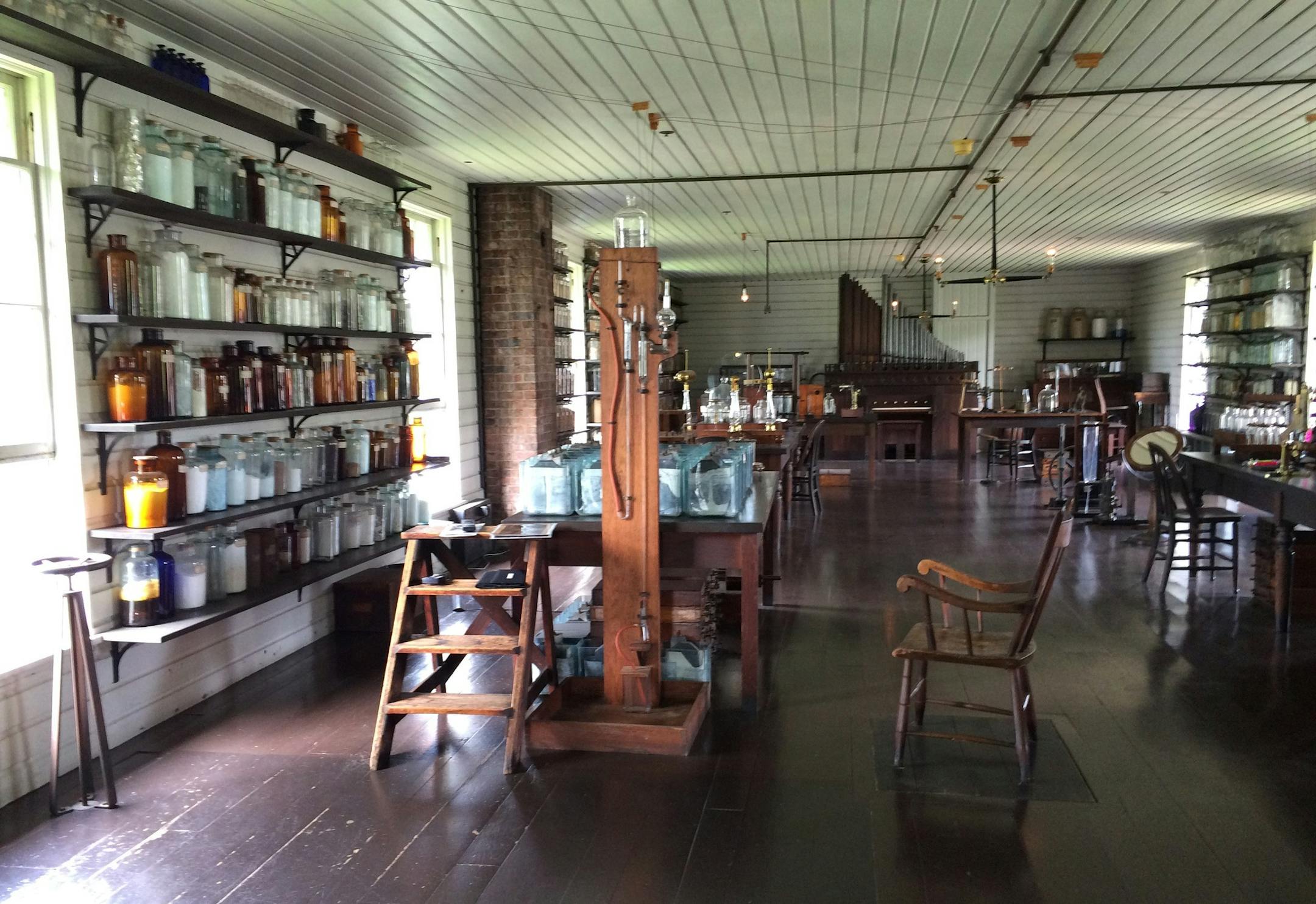
Similar reverence echoes through Greenfield Village, where Ford had historical landmarks meticulously relocated or reconstructed, including Lincoln's law office, the Wright brothers' bicycle shop, composer Stephen Foster's home, and Edison's Menlo Park laboratory — including generous amounts of dirt so it technically still stood on New Jersey soil.
Outside Edison's lab, a train's steam whistle mingles with the "Ahooga!" honk of a Ford Model T and the clip-clop of horse-drawn wagons. Inside, early filament bulbs, an 1878 phonograph, wires and tubes, plus walls lined with bottles of chemicals and powders hum with possibilities for the man who created the first recording of a human voice, filed more than 400 patents and set a goal to invent something every six months. He even had a pipe organ in the lab for unwinding with music during long workdays.