We hadn't seen another soul for a couple of hours.
That solitude is partially what we came for, and the St. Croix River was delivering.
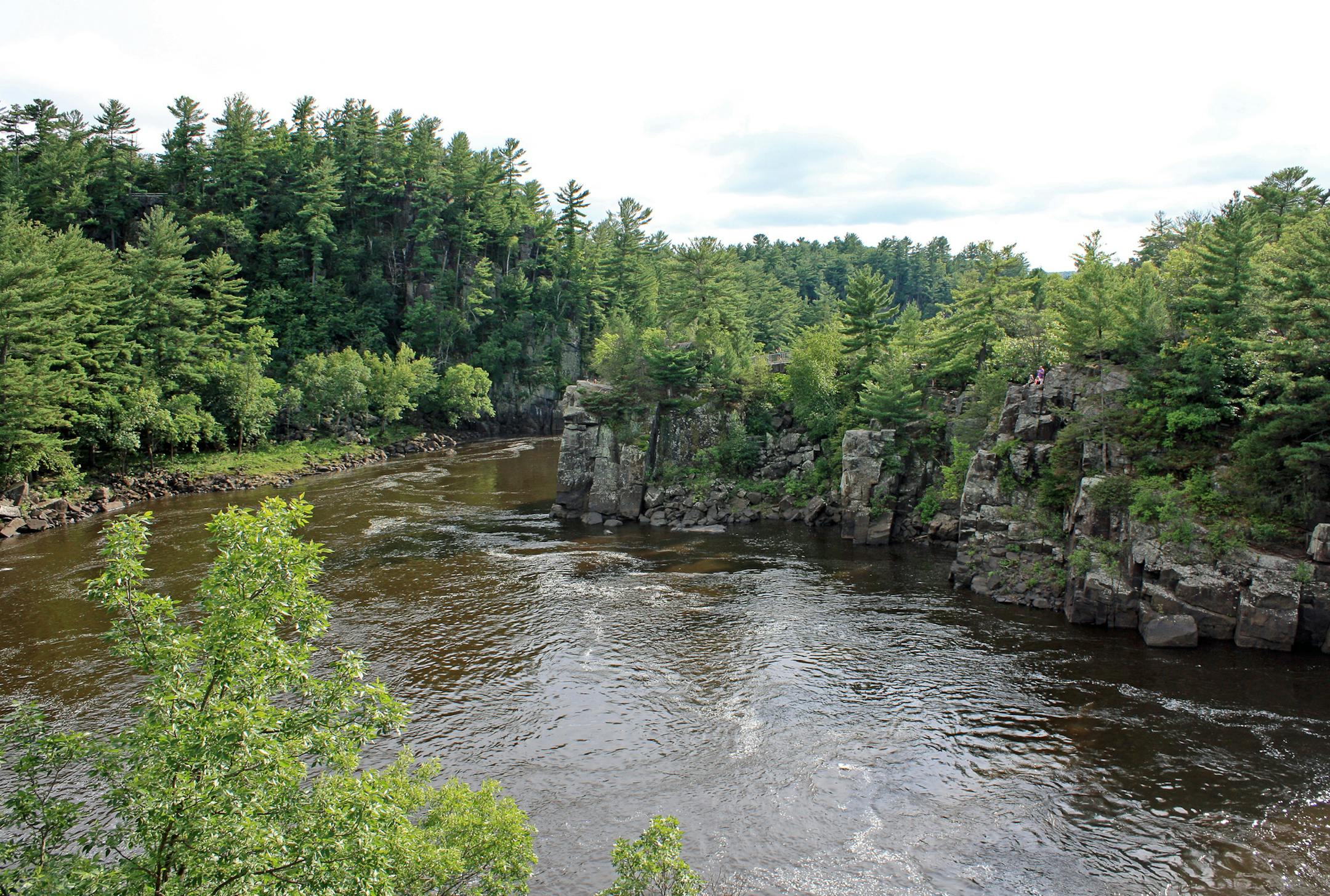
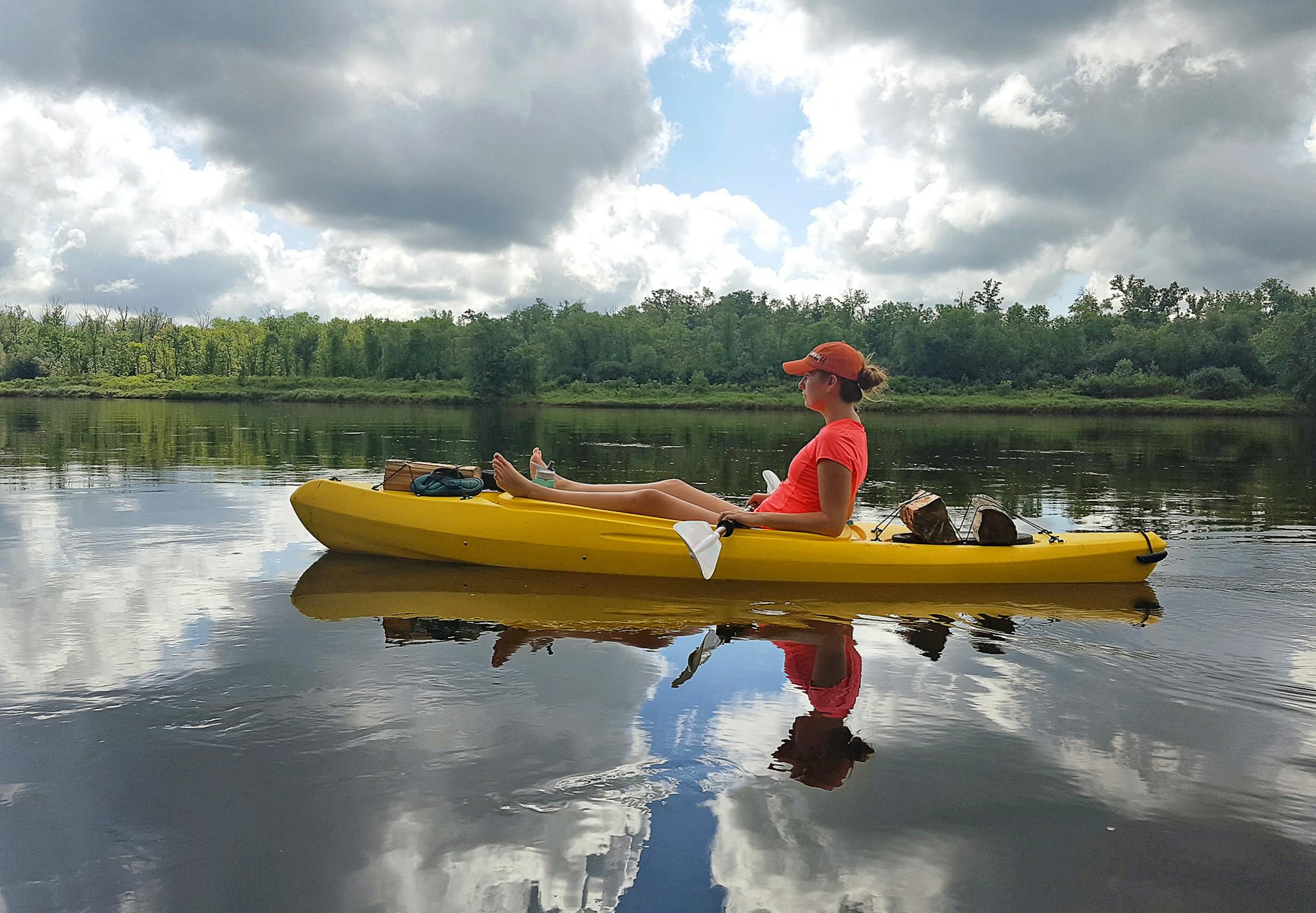
"We're not that far from civilization, are we?" my sister, Courtney, asked as we paddled down the placid river, lined by dense, green forest.
"No, not really," I replied. The Twin Cities were about 70 miles to the southwest.
"I didn't think so. It sure feels like it," she said, before we both returned to our silent paddling.
We were on the first day of a three-day, 35-mile kayaking and camping trip along the 250-mile St. Croix National Scenic Riverway, which forms part of the border between Minnesota and Wisconsin. I had been eyeing up the riverway for a trip for a while, as it met all of my criteria for a great outdoor adventure: relatively remote, easy for a semi-beginner like my sister, plentiful backcountry campsites, and all of it free of portages, permits and fees. (Take that, Boundary Waters.)
Long before recreational paddlers plied the waters of the St. Croix and Namekagon (a tributary that is also part of the riverway), Indians used the waterways as transportation and trading routes. In the 17th century, French fur traders made their way to the rivers, followed by lumber companies in the 1800s. More than 60 dams were built on the St. Croix to control the river's flow. Logjams were a regular occurrence, especially at the sharp bend in the river at the Dalles of the St. Croix.
By the 1960s, the riverway was a favorite for fishing. Wisconsin Sen. Gaylord Nelson and Minnesota Sen. (and future Vice President) Walter Mondale helped pass the Wild and Scenic Rivers Act in 1968, creating the St. Croix National Scenic Riverway. The idea was — and still is — to keep the rivers as wild and free-flowing as possible. Thanks to that act, the stretch we paddled — about 35 miles from Grantsburg, Wis., south to St. Croix Falls, Wis. — is indeed mostly wild and free.