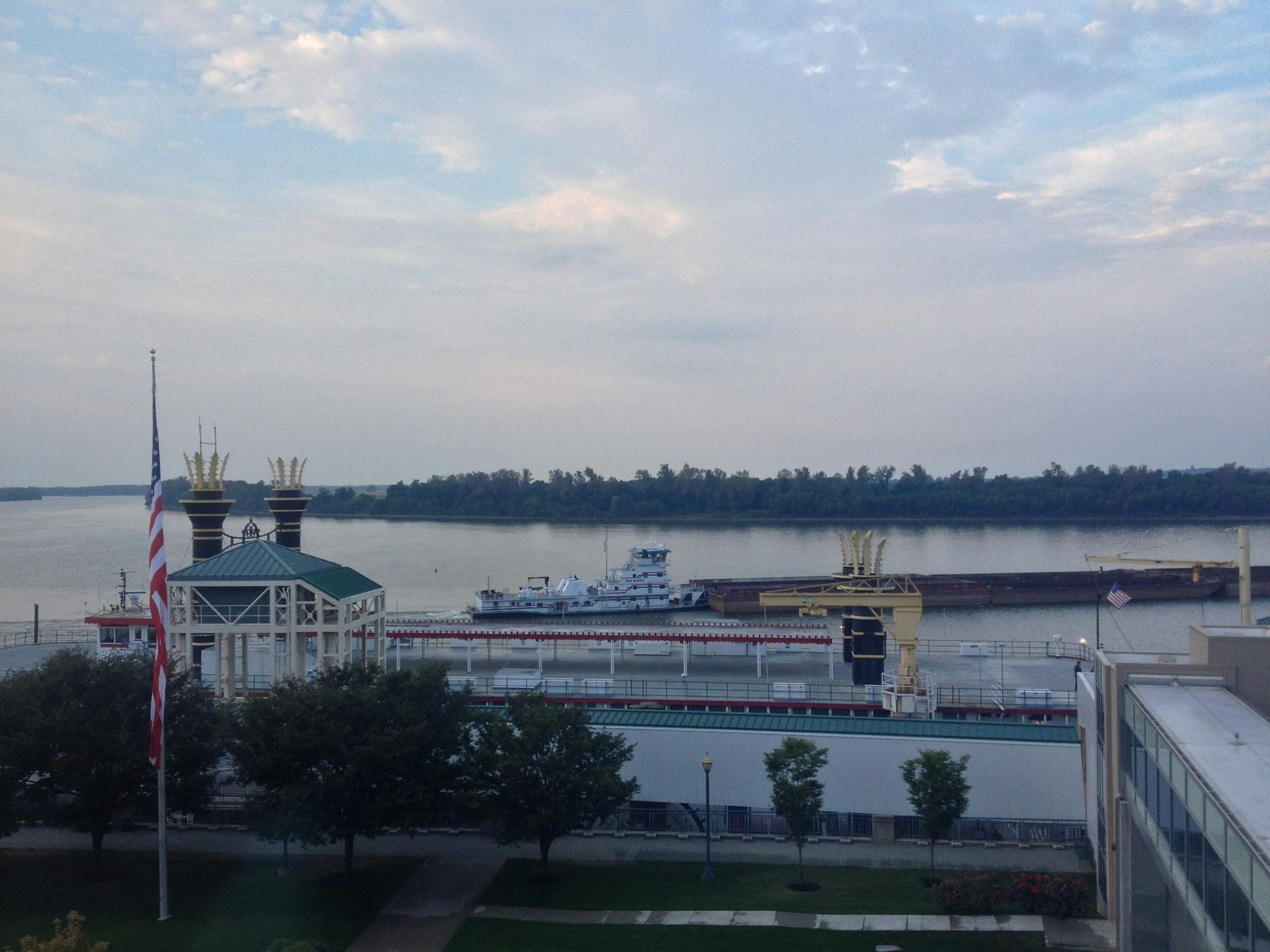
The official state song of Indiana, "On the Banks of the Wabash, Far Away," tells of the moonlit cornfields of Terre Haute, the birthplace of its composer, Paul Dresser. A small town during his childhood, Terre Haute is now a city of 60,000.
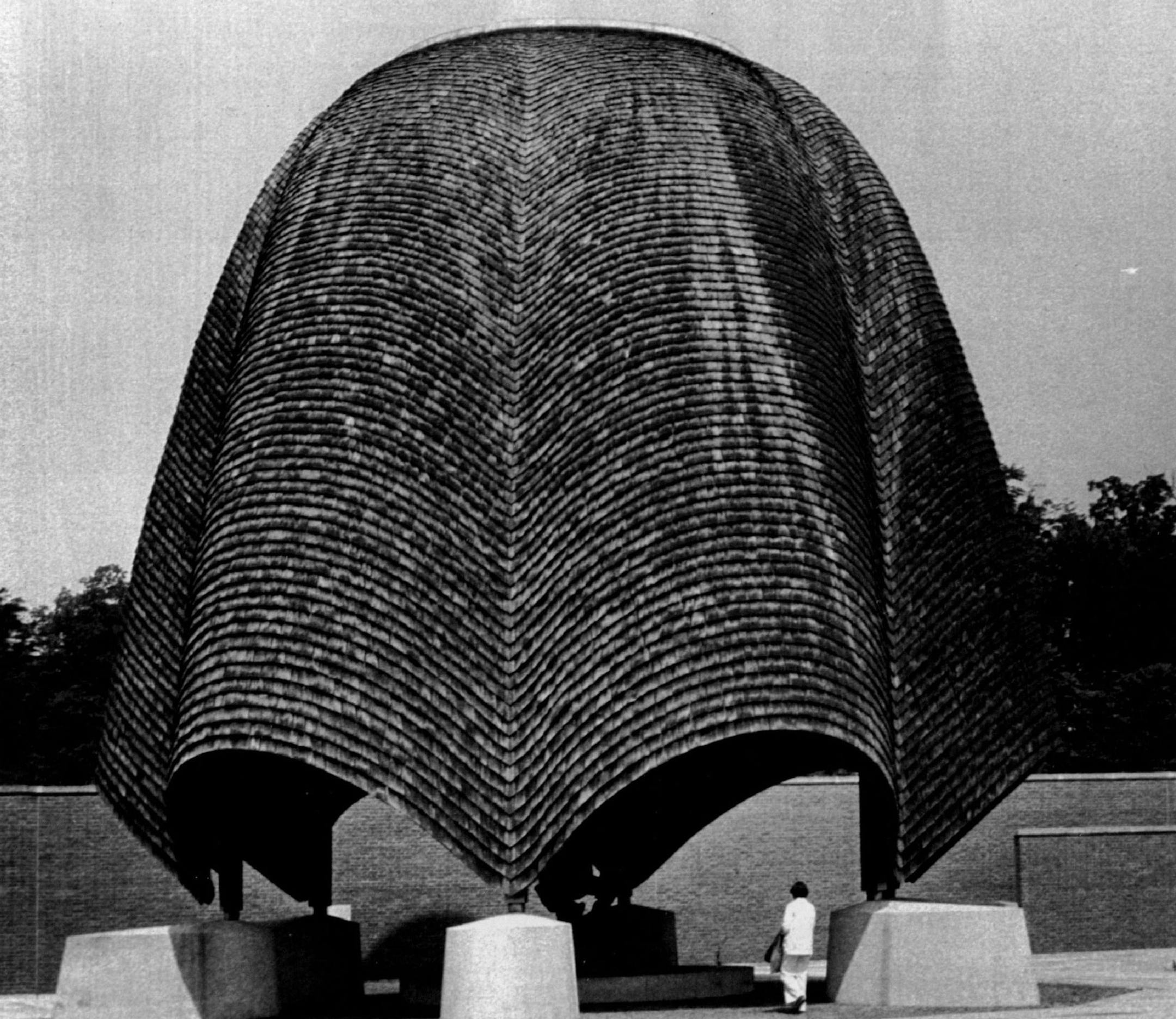
In order to experience a 19th-century river village today like the one in Dresser's 1897 hit, you'll have to head down the Wabash River to New Harmony, Ind. But the town's historic tree-lined streets aren't the only reason to visit. New Harmony is also the site of two utopian experiments.
Spiritual leader Johann Georg Rapp founded the settlement in 1814, buying 20,000 acres in the Indiana Territory and leading his flock there from Harmony, Pa. Rapp and his followers, who called themselves Harmonists, had come to America after leaving the Lutheran Church in Germany. Calling himself — and looking like — a prophet, Rapp preached that Jesus Christ would return to Earth on Sept. 15, 1829.
In the meantime, these inspired and industrious immigrants — more than 100 of whom died of malaria — first built log cabins, then got to work on sturdy and attractive homes, four community houses for unattached Harmonists (the group practiced celibacy), a granary, a ropewalk and a massive brick church.
Many of these buildings — though not the church — have been preserved and restored. In New Harmony's Atheneum/Visitor Center, there are scale models of the church and of the entire town as it looked in 1824. The Atheneum, an angular structure with a smooth skin of white enamel, was completed in 1979 by architect Richard Meier.
Although the Harmonists were economically successful, communal living on the frontier was no picnic. Ten years after they arrived, they put the whole kit and kaboodle up for sale.
The buyer, for about $200,000, was industrialist and social reformer Robert Owen. Owen hoped to establish an ideal community: one free of religion, class distinctions and private property. Owen's New Harmony had communal child care and was a laboratory of progressive education.
But the new settlers' commitment to Owen's principles was spotty, and he gave up on his Indiana venture after two years. The town survived, nonetheless, and his sons became important figures in government, geology, and education (one was the first president of Purdue University).