There is no zoo in Kalamazoo. Not since the Milham Park Zoo came to an end in the 1970s.
Orville Gibson began selling mandolins in this southwestern Michigan city in 1894. But his namesake guitar company left town 90 years later, about the time the last Checker cab also rolled off the line.
So what is it that keeps Kalamazoo zooming? Higher education, aerospace components, medical research and equipment, mint oil and other flavorings — and beer.
The first beer Larry Bell sold, in 1985, was made in a 15-gallon soup pot. Last year, Bell's Brewery produced 463,890 barrels (one barrel equals 31 gallons). Free brewery tours, samples included, are offered at the Bell's locations in Kalamazoo and Comstock, Mich., seven miles to the east (1-269-382-2332 or 1-269-382-2338; bellsbeer.com).
The country's seventh-largest craft brewery, Bell's is a big fish in a well-stocked barrel of Mitten State beermakers. And four more suds-obsessed cities are within easy driving distance of Kalamazoo: Grand Rapids, Lansing, East Lansing and Ann Arbor.
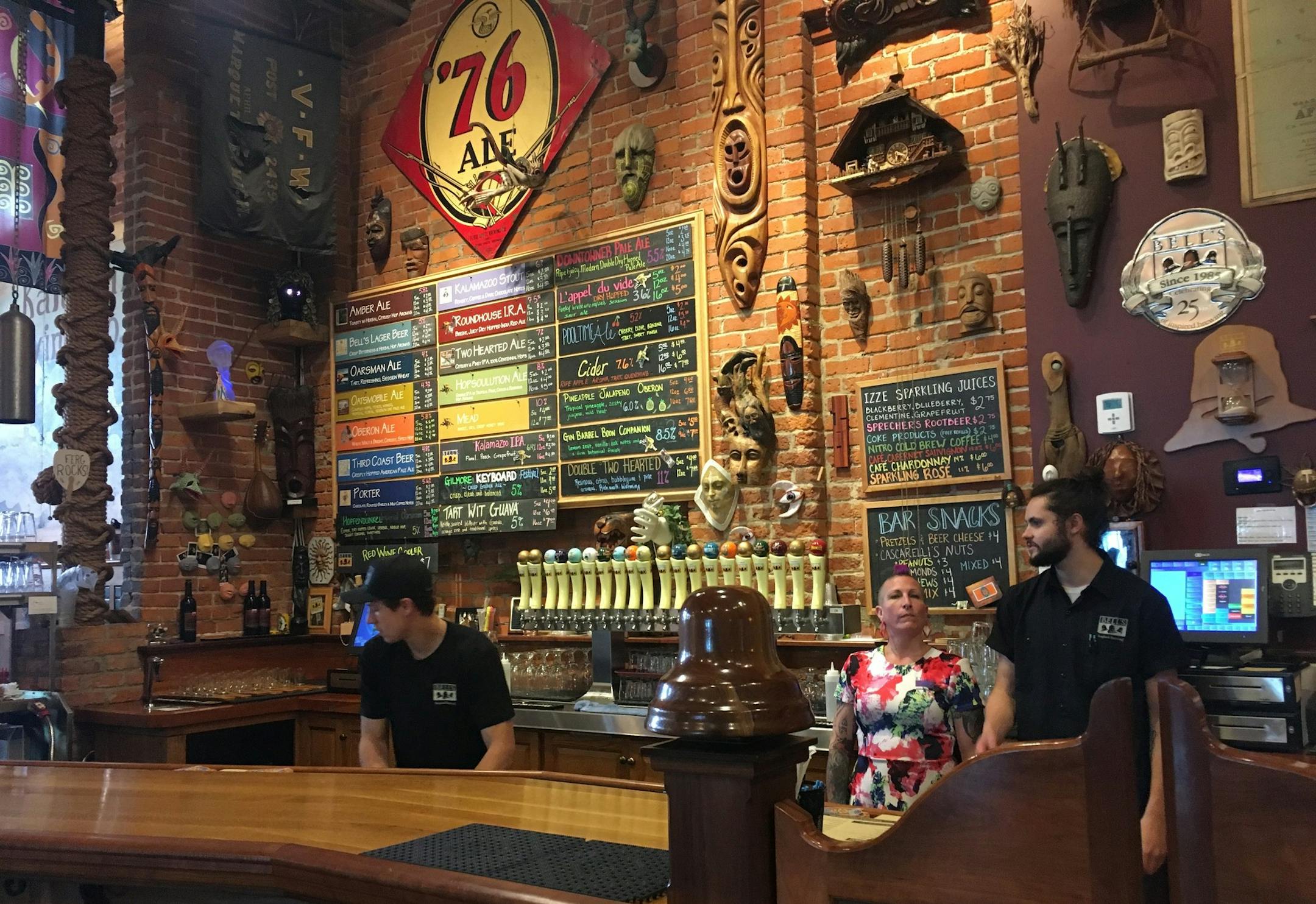
Bell's Eccentric Cafe in downtown Kalamazoo — where you can drink, eat and listen to live music — is a good place to start. At the attached General Store, home-brewers buying a pound of pelletized hops will pay between $15.25 for Willamette hops ("triploid seedling of the English Fuggle variety") and $31.25 for Sorachi Ace ("an extremely high alpha aroma variety with great bittering characteristics").
Hops — the seed cones of Humulus lupulus — are where the action is in craft brewing, adding bitterness, aroma and a flavor characteristic often referred to as "zest." Made with Centennial hops ($20.65 per pound), Bell's highly rated Two Hearted Ale is an India Pale Ale, a style inspired by the hoppy English ales that survived the East India Company's monthslong sails to India. In the 1990s, IPAs were the battleground of the IBU (International Bitterness Unit) wars, their extreme edge thrilling beer geeks. These days, hazy, milder New England IPAs are catching on, far from Vermont.
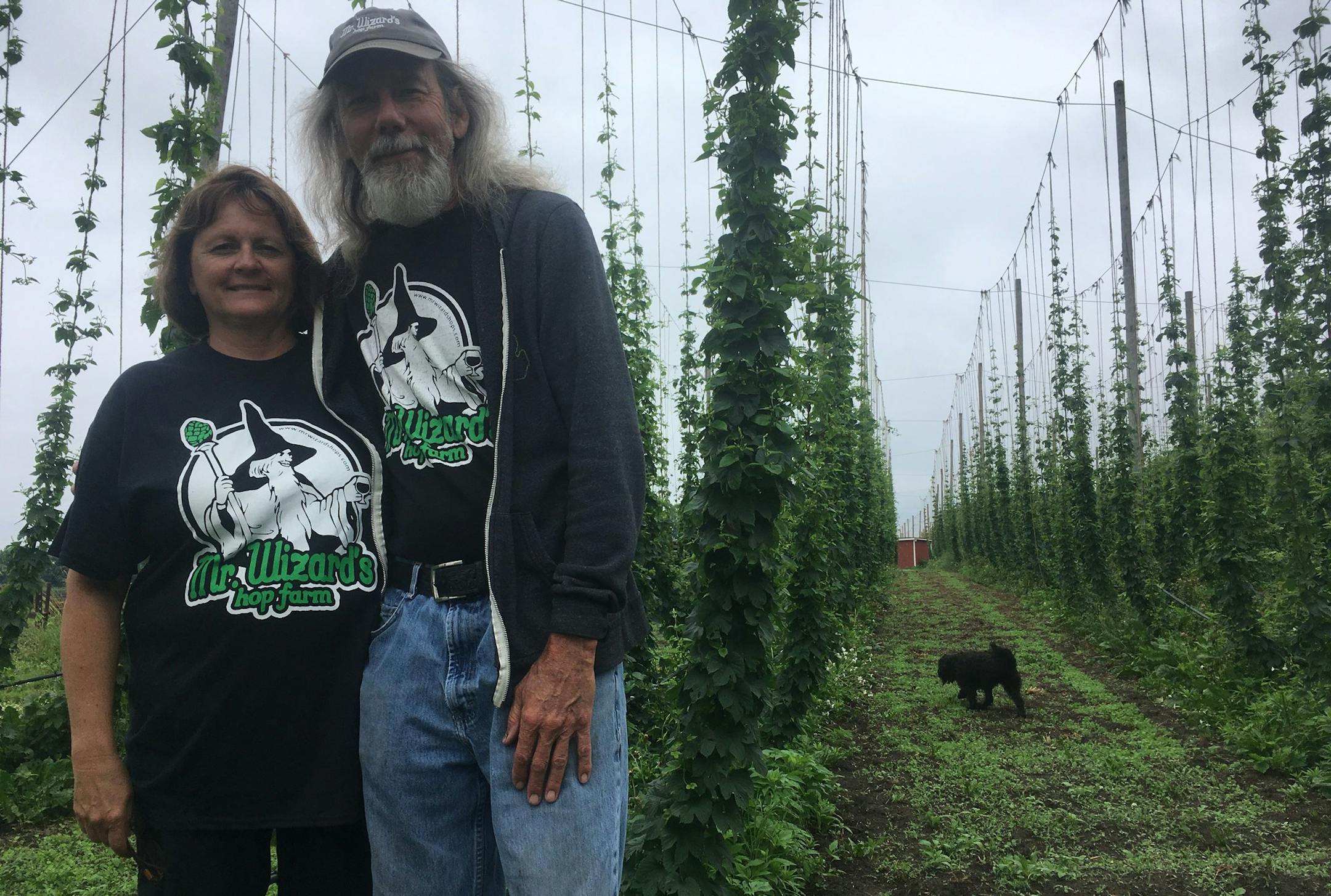
The craft beer movement has spurred regional hop growing, especially in Michigan, which is now a distant but significant fourth place in hops production after California, Oregon and Idaho. Ten years ago, according to Rob Sirrine of the Michigan State University Extension in Suttons Bay, only five acres of hops were strung for harvest statewide. This year, some 40 growers are working about 800 acres.